
Companion Plants
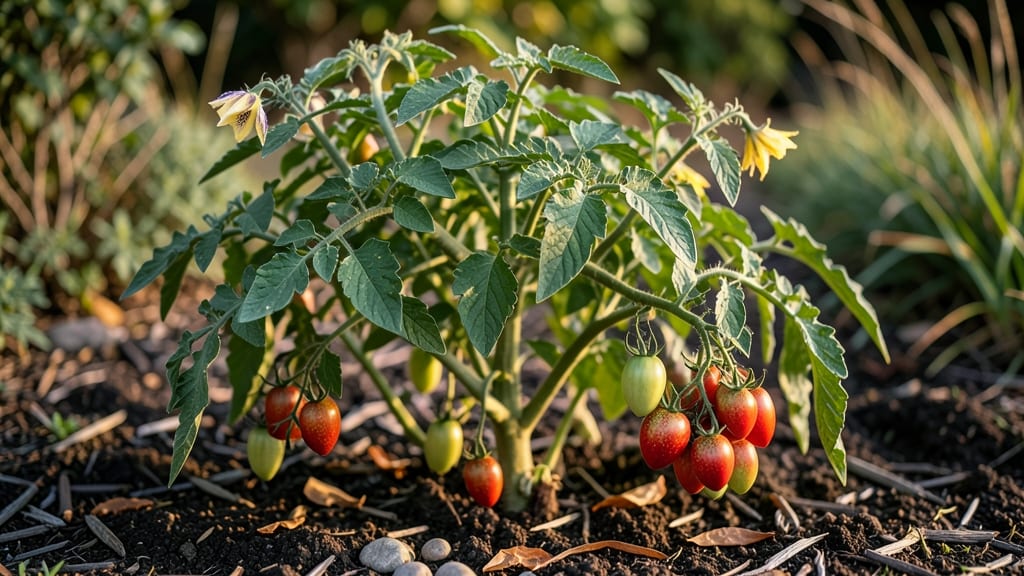
Growing Tomatoberry tomato plants means turning tiny spaces into productive gardens. ✨ These compact bushes pack a punch with sweet, cherry-sized fruits that burst with flavor—perfect for containers, balconies, or small plots where traditional vines would sprawl. Start with well-draining soil and a sunny spot (6+ hours of light daily).
Whether you plant seeds indoors 6-8 weeks before last frost or buy transplants, keep spacing tight—18-24 inches apart—to maximize yield in limited areas. Stake or cage them early to prevent flopping as fruits develop.
Water consistently at the base (avoid wetting leaves) and fertilize lightly every 3-4 weeks with balanced fertilizer. Prune suckers early to encourage bushier growth, but leave the main stems intact for maximum fruit production. The key? Less is more—over-pruning reduces harvests.
Harvest begins in mid-summer when fruits turn deep red and plump. Pick regularly to encourage more production, and watch your compact plants deliver pounds of sweetness in a fraction of the space. Even my smallest containers now overflow with these little flavor bombs!
📚 In This Guide
- What you need
- Instructions
- Tips and common mistakes
- Wrapping up and next steps
What you need
- ● Tomatoberry seeds or seedlings: Choose disease-resistant varieties like 'Tomatoberry' or 'Indigo Rose' (1-2 plants per container or small garden bed).
- ● Containers or garden bed: Containers: 5-gallon pots or larger (12"+ diameter) with drainage holes.
- ● Garden beds: Well-draining soil in a sunny spot (6+ hours of light daily).
- ● High-quality potting mix: Lightweight, organic blend (e.g., Miracle-Gro Potting Mix or homemade mix with compost).
- ● Fertilizer: Balanced organic fertilizer (e.g., 10-10-10 or fish emulsion) for planting and monthly feedings.
- ○ Support structure: Small cages (optional but helpful for bushy varieties).
- ● Basic tools: Trowel, pruners, watering can (or hose with gentle nozzle).
- ● Mulch: Straw or shredded leaves to retain moisture.
- ○ Optional: Drip irrigation kit for consistent watering.
- ● Epsom salt (1 tbsp/month) for magnesium boost.
- ● Row covers (if pests are a concern).
Step-by-step instructions for growing tomatoberry tomato plants
Here's how to cultivate these compact, high-yielding tomatoberry varieties in limited spaces.
🌱 Step 1: Select and Prepare Containers or Garden Beds
Tomatoberry plants thrive in 5-gallon containers or 12-inch deep garden beds with excellent drainage. I use fabric grow bags for my patio because they prevent root circling and allow excess moisture to evaporate. If planting in-ground, choose a location with 6+ hours of direct sun—tomatoberries need consistent warmth to set fruit.
Fill containers with a mix of 60% potting soil, 30% compost, and 10% perlite for optimal aeration. Amend garden beds with 2 inches of compost worked into the top 6 inches of soil. Avoid fresh manure—it can burn tender roots and disrupt the plant's nutrient balance.
🌱 Step 2: Plant Seeds or Transplants at the Right Time
Start seeds indoors 8-10 weeks before your last frost date, or purchase sturdy transplants from a nursery. Tomatoberry seeds germinate best at 75-85°F—I use a seedling heat mat to ensure consistent warmth. Plant seeds ¼ inch deep in individual 2-inch pots to prevent overcrowding, which leads to weak, leggy seedlings.
When transplanting outdoors after 4-6 weeks, bury the stem up to the first set of true leaves. This encourages stronger root development and prevents the plant from toppling over later. Space plants 18-24 inches apart in containers or rows to allow for airflow and reduce disease risk.
💧 Step 3: Water and Fertilize for Compact Growth
Tomatoberry plants need 1-1.5 inches of water weekly, delivered directly to the soil—not the leaves—to prevent fungal diseases like early blight. I water in the morning so foliage dries quickly, reducing humidity around the plant. Let the top 1-2 inches of soil dry out between waterings; consistent moisture is key, but soggy soil invites root rot.
Fertilize every 3-4 weeks with a balanced 10-10-10 or 5-5-5 organic fertilizer to support both foliage and fruit production. Avoid high-nitrogen feeds—these encourage leafy growth at the expense of fruit. Instead, switch to a low-nitrogen, high-phosphorus formula once flowers appear to boost fruiting.
✂️ Step 4: Prune and Support for Bush Growth
Tomatoberry varieties are naturally compact, but pruning helps direct energy to fruit production. Remove any suckers (side shoots) that form in the leaf axils—these compete with the main stem for nutrients. I pinch off the first few suckers when they're no larger than 2 inches to keep the plant bushy and manageable.
Use a small cage or stake to support the plant as it grows. Tomatoberries produce heavy fruit clusters, and unsupported stems can snap under the weight. Weave the main stem through the cage as it grows, or tie it to a sturdy stake with soft plant ties. Avoid tight binding—roots need room to expand, and stems should never feel restricted.
☀️ Step 5: Harvest and Extend the Season
Tomatoberries ripen in 70-80 days from transplanting, depending on your climate. Harvest when the fruit turns a deep red and yields slightly to gentle pressure. I pick in the morning after the dew has dried to preserve flavor and texture. Use pruning shears to cut stems cleanly—this prevents disease from entering the plant through torn tissue.
To extend the harvest, cover plants with a floating row cover when nighttime temperatures drop below 55°F. This protects blossoms from frost damage and encourages continued fruiting. In containers, move plants to a sheltered location or bring them indoors to a sunny windowsill until spring—tomatoberry plants are surprisingly adaptable to indoor growing with proper light.
Tips & tricks for growing compact tomatoberry varieties
These practical insights will help you maximize your tomatoberry harvest in limited spaces—no green thumb required.
Container Selection: Fabric grow bags are my go-to for containers because they prevent root circling and allow excess moisture to evaporate naturally. If using traditional pots, ensure they have drainage holes and are at least 5 gallons in size—smaller containers restrict root growth and reduce yield. For in-ground planting, prioritize locations with at least 6+ hours of direct sun, as tomatoberries need consistent warmth to set fruit.
Seed Starting Strategy: When starting seeds indoors, maintain a consistent temperature between 75-85°F using a seedling heat mat. This warmth is critical for germination—cold soil can delay sprouting by days or even prevent it entirely. After 4-6 weeks, transplant seedlings outdoors only after hardening them off for 7-10 days by gradually exposing them to outdoor conditions. This gradual transition prevents shock and helps seedlings adapt to outdoor temperatures.
Pruning Precision: Focus your pruning efforts on removing suckers when they're still small—ideally no larger than 2 inches. These side shoots compete with the main stem for nutrients, which can reduce fruit production. I prune in the morning when the plant is turgid and the stems are easier to handle. Always use clean, sharp pruners to avoid damaging the main stem, which can introduce disease through open wounds.
Season Extension Hacks: Floating row covers are a game-changer for extending your harvest. Use them when nighttime temperatures drop below 55°F to protect blossoms from frost damage. For container-grown plants, move them to a sheltered location or bring them indoors to a sunny windowsill during cold snaps. Tomatoberry plants are surprisingly adaptable—they can even tolerate indoor growing with proper light, making them ideal for year-round production in mild climates.
Pro Tips for Tomatoberry Tomato Plants
- These practical insights will help you maximize your tomatoberry harvest in limited spaces—no green thumb required.
- Container Selection: Fabric grow bags are my go-to for containers because they prevent root circling and allow excess moisture to evaporate naturally.
- Seed Starting Strategy: When starting seeds indoors, maintain a consistent temperature between 75-85°F using a seedling heat mat.
Frequently asked questions
Got questions about growing tomatoberry tomato plants? You’re not alone! Here are answers to the most common queries—from spacing to troubleshooting—to help you grow these compact, flavor-packed gems with confidence.
How close together can I plant tomatoberry tomato plants?
Tomatoberries thrive in small spaces, but give them 18–24 inches of space between plants (or 12–18 inches in containers). Their bushy growth means they won’t sprawl like indeterminate varieties, but proper airflow prevents disease. Use containers if space is tight—just ensure they’re at least 5-gallon size.
When is the best time to harvest tomatoberry tomatoes?
Harvest when the fruit is fully colored and slightly soft to the touch—usually 60–70 days after transplanting. Unlike slicing tomatoes, tomatoberries stay firm and sweet when ripe. Pro tip: Pick them regularly to encourage more production!
Can I grow tomatoberries in containers? If so, what’s the best setup?
Tomatoberries are perfect for containers—use 5-gallon pots or larger with drainage holes. A balanced fertilizer (like 10-10-10) and morning sun (6–8 hours) will keep them happy. Add mulch to retain moisture, and consider trellising if they get leggy.
What pests or diseases should I watch for with tomatoberry plants?
Common issues include aphids, whiteflies, and early blight. Prevent pests with neem oil or row covers, and improve airflow to avoid fungal diseases. If leaves yellow, check for overwatering—tomatoberries prefer consistently moist (not soggy) soil.
Are tomatoberries sweeter than regular tomatoes?
Yes! Tomatoberries are naturally sweeter and more flavorful than standard slicing tomatoes, with a tangy, jam-like taste. Their small size (1–2 inches) makes them ideal for snacking, sauces, or fresh salads. Bonus: They’re also lower in acid, so they’re gentler on sensitive stomachs.
Wrapping up and next steps
Growing tomatoberry tomato plants is a fantastic way to enjoy a compact, high-yielding harvest in even the smallest spaces! 🌱 Whether you’re a beginner or a seasoned gardener, their bushy nature and sweet-tart flavor make them a must-try for containers, balconies, or tight garden plots.
With the right care—sunlight, support, and companion plants—they’ll reward you with a bountiful, flavorful crop.
Ready to dive in? Start by choosing your plants and prepping your space, then watch your little garden explode with delicious berry-like tomatoes! 🍅✨