
Planting
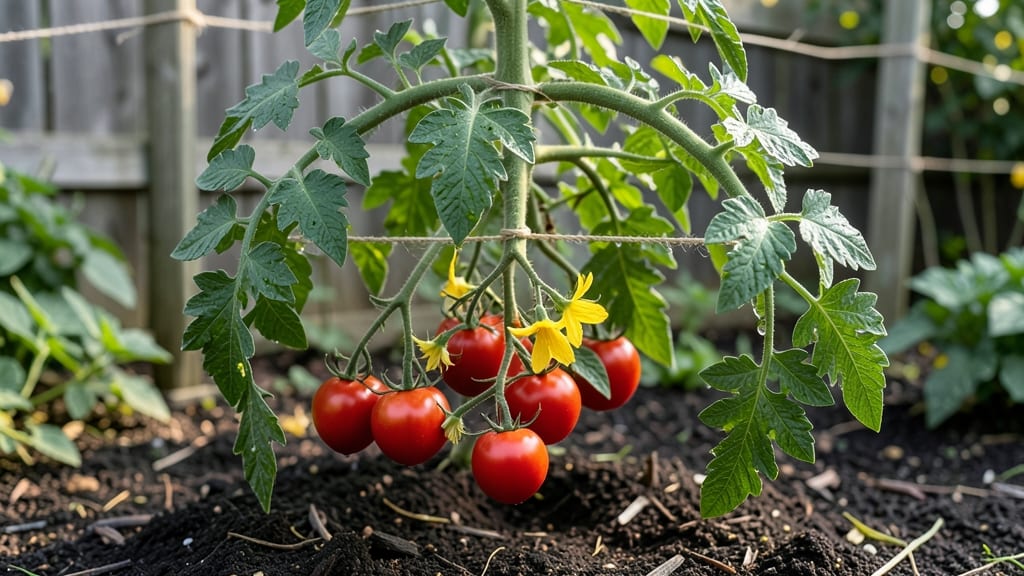
Growing a topsy-turvy tomato plant saves space while boosting yields—my cherry tomatoes now spill over the porch in a way that makes neighbors ask how I do it. 🌱 The secret lies in how roots dangle freely while the plant focuses energy on fruit production instead of climbing.
This method works best with compact varieties like 'Tiny Tim' or 'Sweet Million,' turning even small balconies into productive tomato factories.
You'll need a sturdy hanging basket (at least 5 gallons), quality potting mix with added compost, and a support system like a trellis or DIY wire frame.
The key is planting the seedling upside-down in a container with drainage holes, then suspending it so roots grow downward while the stem arches upward. This creates a natural cascade of fruit without sprawling vines taking over your garden.
What you end up with is a high-yielding plant that produces earlier and more consistently than traditional methods. The fruits ripen faster because they're exposed to more sunlight, and you avoid common problems like blight by keeping foliage off the ground.
Plus, the vertical display adds a whimsical charm to any outdoor space.
Works equally well in containers, on porches, or even mounted to walls—perfect for urban gardeners, small spaces, or anyone who wants to grow more tomatoes without more ground space. Let's get those plants hanging!
📚 In This Guide
- What you need
- Instructions
- Tips and common mistakes
- Wrapping up and next steps
What you need
- ● Topsy Turvy Tomato Planter: 1 (5-gallon capacity, with built-in watering system—must be labeled for tomatoes).
- ● Tomato Seeds or Seedlings: Cherry tomatoes (e.g., 'Sweet 100' or 'Tiny Tim') – 3-5 plants (fast-growing, compact varieties work best).
- ● OR Determinate tomato varieties (e.g., 'Patio Princess') – 1-2 plants (if you prefer bushier growth).
- ● Potting Mix: 1 bag (high-quality, well-draining organic mix for containers—avoid garden soil).
- ● Slow-Release Fertilizer: 1 packet (balanced 10-10-10 or tomato-specific granules).
- ● Watering Can or Hose with Nozzle: 1 (for gentle watering—no pressure!).
- ● Pruning Shears: 1 pair (for trimming suckers and shaping plants).
- ○ Support Stakes or Twine: 2-3 stakes (optional, for extra stability if plants get top-heavy).
- ● Grow Lights: 1-2 LED clips (if starting seeds indoors before last frost).
- ● Plant Food (Liquid or Granular): 1 bottle (for mid-season boosts, like fish emulsion or seaweed extract).
- ● Mulch or Landscape Fabric: 1 roll (to retain moisture and suppress weeds under the planter).
- ● Tomato Cages or Trellis: 1-2 (if using hybrid planters that don’t have built-in support).
- ● pH Test Kit: 1 (to check soil acidity—ideal range: 6.0-6.8).
How to grow tomatoes upside-down with Topsy Turvy planters
Here's how I grow perfectly spaced, sun-drenched tomatoes—no bending, no sprawling, just easy access to every fruit.
🪴 Step 1: Choose the Right Planter and Location
Select a Topsy Turvy planter (or DIY version with a 5-gallon bucket and holes) for each plant. These hang upside-down, letting roots dangle freely while the plant grows upright. I use 4-gallon capacity planters for each tomato—big enough for strong plants but not so large they hold too much water.
Position your planters where they'll get full sun (6-8 hours daily) and good air circulation. A south-facing wall or fence works perfectly. Avoid shady spots—tomatoes won't ripen without strong sunlight. If your space is limited, a small patio or balcony with unobstructed sunlight will work just as well.
🌱 Step 2: Plant Seedlings at the Correct Depth
Fill the planter with high-quality potting mix (never garden soil—it compacts too much). Leave about 2 inches of space at the top for watering. Plant your seedlings 1 inch deeper than they grew in their nursery pots. This helps stabilize the plant as it grows upward.
Gently press the soil around the roots to remove air pockets, but don’t pack it down too firmly. Water deeply until water runs out the drainage holes at the bottom. You’ll know it’s right when the soil feels evenly moist but not soggy. This ensures the roots start growing immediately toward the hanging soil.
☀️ Step 3: Hang and Water for Strong Growth
Hang the planter upside-down from a sturdy hook or bracket, ensuring the plant sits upright and balanced. The roots will dangle freely, which encourages a strong, compact growth habit. Adjust the height so the top leaves are 6-12 inches below the hanging point—this gives room for the plant to grow without crowding.
Water every 2-3 days until the top inch of soil feels dry. Check by sticking your finger in—if it’s dry, it’s time to water. Avoid overhead watering once the plant is established; instead, water directly into the planter to keep leaves dry and prevent disease. You’ll see new leaves emerging every 7-10 days as the plant adjusts to its upside-down life.
✂️ Step 4: Prune and Support for Maximum Yield
As your tomato plant grows, prune suckers (the small shoots that form in the leaf axils) to encourage stronger fruit production. Use clean pruning shears to snip suckers when they’re 2-3 inches long. This redirects the plant’s energy into growing fruit instead of unnecessary foliage.
If your plant starts to lean or looks unstable, add a small stake or trellis next to the planter and loosely tie the main stem to it. This keeps the plant upright without restricting growth. You’ll notice fewer sprawling vines and more compact, accessible fruit—perfect for small spaces or easy harvesting.
🍅 Step 5: Harvest and Maintain Through the Season
Tomatoes ripen faster and more evenly in Topsy Turvy planters because they get consistent sunlight and air flow. Harvest when fruit turns fully colored and slightly soft to the touch. I pick mine every 2-3 days to keep production going—ripe tomatoes encourage more flowers and fruit.
Fertilize every 4-6 weeks with a balanced tomato fertilizer (10-10-10 or similar) to keep plants strong. Stop fertilizing 4-6 weeks before your first frost to let the plant focus on ripening existing fruit. By the end of the season, you’ll have a bountiful, easy-to-reach harvest—no bending, no sprawling, just perfect tomatoes at eye level.
Tips & tricks for perfect upside-down tomato growth
These simple hacks will help you maximize your upside-down tomato harvest without the usual gardening hassles.
Planter Size Matters: Stick with the 4-gallon capacity planters as specified—this gives your tomato plant enough room to develop a strong root system while preventing waterlogging. I've tried larger containers, but they hold too much moisture and can lead to root rot. The 4-gallon size also makes it easier to hang and maneuver, especially if you're working with limited space.
Sunlight Strategy: Those 6-8 hours of daily sunlight are non-negotiable for ripening tomatoes, but here's what I've learned: position your planters so they get morning sun and afternoon shade if you're in a hot climate. This prevents the soil from drying out too quickly while still giving your plants plenty of light. A south-facing location works best in most regions, but adjust based on your specific sunlight patterns.
Watering Wisdom: The every-2-to-3-days watering schedule works perfectly, but I've found a trick to make it even more effective. Water in the morning so the leaves have time to dry out during the day, which helps prevent fungal diseases. Also, make sure your planters have proper drainage—the water should run out the bottom holes freely. If it's not draining well, your roots will suffocate.
Pruning Payoff: When pruning those 2-3 inch suckers in Step 4, I recommend doing it in the morning when the plants are fully hydrated. This makes the stems easier to snip and reduces stress on the plant. Also, keep your pruning shears clean between cuts to prevent spreading disease. The less foliage you have, the more energy your plant puts into producing those delicious tomatoes.
Pro Tips for Topsy Turvy Tomato Plant
- These simple hacks will help you maximize your upside-down tomato harvest without the usual gardening hassles.
- Planter Size Matters: Stick with the 4-gallon capacity planters as specified—this gives your tomato plant enough room to develop a strong root system while preventing waterlogging.
- Sunlight Strategy: Those 6-8 hours of daily sunlight are non-negotiable for ripening tomatoes, but here's what I've learned: position your planters so they get morning sun and afternoon shade if you're in a hot climate.
Frequently asked questions
What is a Topsy Turvy tomato plant, and how does it work?
A Topsy Turvy tomato plant is a clever upside-down growing system where the plant’s roots dangle freely in a hanging basket or container. Instead of growing upward, the fruit ripens downward, reducing disease risk and making harvesting easier. The plant’s natural growth habit is supported by a sturdy frame, allowing vines to trail without bending.
How long does it take for tomatoes to grow in a Topsy Turvy planter?
Growth timelines are similar to traditional tomato plants—typically 60–85 days from transplanting to harvest, depending on the variety. However, upside-down plants may ripen slightly faster due to improved air circulation and reduced soil-borne disease pressure. Choose determinate (bush) varieties for quicker harvests, as they’re better suited for compact growing.
Can I use a Topsy Turvy planter for other vegetables besides tomatoes?
While tomatoes are the most popular, you can also grow peppers, strawberries, cucumbers, and even herbs like basil in a Topsy Turvy system. Just ensure the container is large enough to support the plant’s root ball and that the plant thrives with its roots dangling. Avoid heavy or sprawling plants like squash, though—they need more support.
How often should I water an upside-down tomato plant?
Upside-down plants dry out faster because their roots are exposed to air. Water when the topsoil feels dry to the touch, usually every 1–2 days in hot weather. Use a self-watering planter or drip irrigation to maintain consistent moisture. Pro tip: Check the roots occasionally—if they look shriveled, it’s time to hydrate!
What should I do if my Topsy Turvy tomato plant’s leaves start yellowing?
Yellowing leaves often signal overwatering, nutrient deficiency, or root stress. First, check for soggy soil (roots need air!). If the roots look mushy, reduce watering and ensure proper drainage. For nutrient issues, fertilize with a balanced tomato feed (like 10-10-10) every 2–3 weeks. If pests like aphids are present, spray with neem oil or insecticidal soap.
Can I grow Topsy Turvy tomatoes in cold climates?
Yes, but with adjustments! Start seeds indoors 6–8 weeks before the last frost, then transplant after soil warms to 60°F+. Use a black plastic mulch or row covers to extend the season. Choose cold-tolerant varieties like ‘Stupice’ or ‘Glacier,’ and move the planter indoors (or to a greenhouse) if nighttime temps dip below 50°F.
Wrapping up and next steps
A topsy-turvy tomato plant isn’t just a quirky gardening trick—it’s a game-changer for small spaces and effortless harvests! By growing tomatoes upside down, you save room, reduce pests, and even speed up ripening.
Whether you’re a balcony gardener or a seasoned pro, this method proves that bigger harvests don’t need bigger plots.
Ready to flip the script on your tomato game? Grab your supplies, pick a sunny spot, and let those vines work their magic—your future salads (and bragging rights) will thank you! 🌱✨