
Pruning
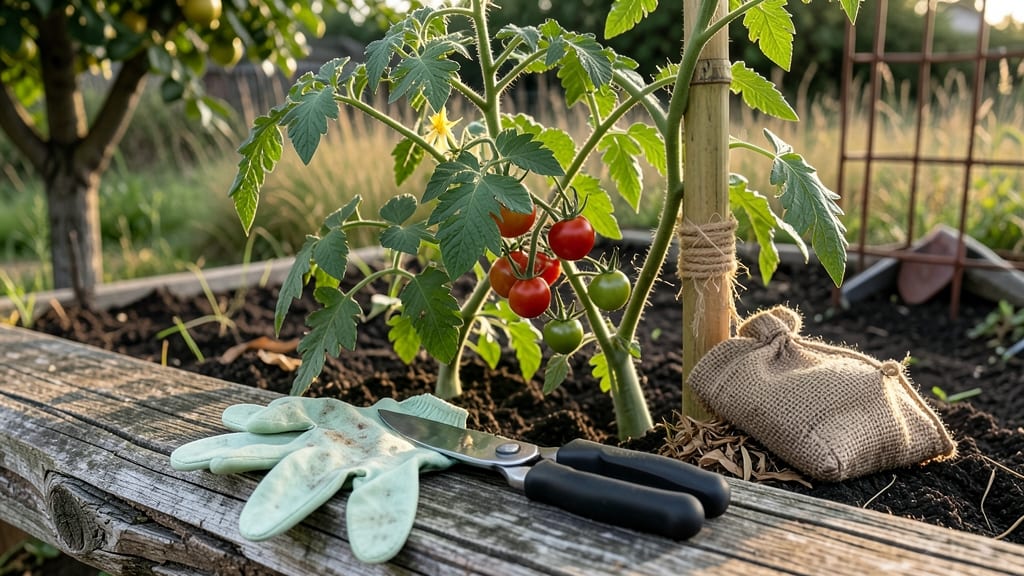
Watch this video of pruning tomato plants—it’s the secret to double the fruit on every vine. 🌱 I’ve watched my 3-foot-tall plants become heavy-laden bushes simply by following these exact steps, and you can too.
The right cuts redirect energy from leaves to fruit, prevent disease, and keep plants from toppling under their own weight.
You’ll need just three tools: sharp pruning shears, gloves (tomato stems are sneaky sharp), and a small notebook to track growth. Timing matters too—prune in the morning when plants are hydrated, and avoid heavy pruning after mid-July if you’re in a short-season zone.
The goal? Keep the plant’s energy focused on fruit development, not extra foliage.
By the end, your plants will look like sun-drenched sculptures instead of tangled messes, and you’ll be harvesting heavier, riper tomatoes than ever before. The key is patience—each cut should feel intentional, not frantic. No more guessing: this method works for both indeterminate (vining) and determinate (bush) varieties.
Even if you’ve killed plants before, this system is beginner-proof—I’ll show you exactly where to cut (and where to leave alone) so you avoid the most common mistakes. Grab your shears, and let’s get those plants producing like champions.
📚 In This Guide
- What you need
- Instructions
- Tips and common mistakes
- Wrapping up and next steps
What you need
- ● Pruning shears or sharp bypass pruners – Choose sterilized, bypass-style shears (not anvil-type) to avoid crushing stems. A 5-inch blade works best for most tomato plants.
- ● Gloves – Wear gardening gloves (nitrile or leather) to protect your hands from thorns and dirt.
- ● Disinfectant (rubbing alcohol or bleach solution) – Clean tools with 70% isopropyl alcohol or a 1:10 bleach-water mix before and after pruning to prevent disease spread.
- ● Garden twine or plant ties – Use 3–4 mm thick twine (or soft plant ties) to secure stems to stakes or cages after pruning.
- ● Stakes or cages (if not already installed) – Opt for 5–6 ft tall bamboo stakes or 5–6 ft tomato cages for support.
- ● Garden hose with spray nozzle – For rinsing off sap or debris after pruning.
- ● Hand lens or magnifying glass – Helps spot pests or early signs of disease on stems.
- ● Garden kneeler or stool – Saves your back, especially for larger plants!
- ● Compost bin or trash bag – For disposing of pruned branches (avoid composting diseased plants).
- ● Plant marker or labels – If tracking varieties or pruning schedules.
- ● Sunhat and sunscreen – Because gardening under the sun is no joke! ☀️
Step-by-Step guide for pruning tomato plants
Here’s how to prune tomatoes like a pro—no video needed. These steps will boost yields and keep plants healthy.
✂️ Step 1: Identify the Right Time to Prune
Prune when plants reach 12-18 inches tall and show 3-4 true leaves—this is when they’re strong enough to handle trimming without stress. I always wait until morning when stems are firm (not wilted from heat). Avoid pruning after rain or late in the day, as cuts take longer to heal and invite disease.
Look for suckers—those small shoots growing in the leaf axils (where leaves meet stems). These compete with fruit production, so removing them early directs energy to blossoms. If you miss them as seedlings, don’t worry—just prune them back later. The key is consistency, not perfection.
✂️ Step 2: Remove Suckers Correctly
Use clean, sharp pruners (or your fingers for small suckers) to pinch or cut suckers at their base. Never leave a stub—this prevents rot and entry points for pests. I twist suckers between my thumb and index finger for small plants; for larger ones, snip just above the leaf axil to avoid damaging the main stem.
Watch for suckers growing above the first flower cluster—these are critical to remove. They’ll steal nutrients from developing fruit. If you’re unsure what a sucker looks like, compare it to the main stem: suckers are thinner, leafier, and grow outward at a sharp angle. Strong stems grow upward and are thicker.
☀️ Step 3: Prune for Airflow and Light Penetration
Once plants hit 3-4 feet tall, focus on open-center pruning to improve airflow. Remove leaves shading the lower 12-18 inches of the plant—these block sunlight and trap humidity, which fuels fungal diseases like early blight. I start by trimming the largest leaves first, then work upward, leaving only the healthiest foliage.
For determinate tomatoes (bush types), prune lightly—just enough to remove diseased or crowded leaves. Indeterminate varieties (vining types) need aggressive pruning to encourage upward growth. Never remove more than one-third of the plant’s foliage at once, or you’ll shock the tomato.
⏰ Step 4: Maintain Pruning Through the Season
Prune weekly during peak growth (spring to early summer) to keep plants productive. After the first 6-8 weeks, shift to monthly maintenance—focus on removing yellowed, diseased, or overcrowded leaves. I always prune after rain when stems are flexible, not brittle from dryness.
Stop pruning 4-6 weeks before your first frost date—this lets the plant redirect energy to ripening existing fruit. If you prune too late, new growth won’t mature before cold sets in. Watch for blossom end rot (black bottoms on fruit)—this signals calcium deficiency, often worsened by over-pruning. Adjust your schedule if you see it.
🌱 Step 5: Support and Train Pruned Plants
After pruning, stake or cage tomatoes immediately to support new growth. Use tall stakes (6-8 feet) for indeterminate varieties or cages (5-6 feet tall) for determinate types. Tie stems to stakes with soft plant ties every 12 inches—this prevents wind damage and keeps plants upright as they grow.
For succession planting, prune older plants back by one-third when new seedlings are ready. This extends the harvest season and maximizes space. I always save the largest, healthiest stems for rooting in water—these become next year’s starts. Just dip the cut end in rooting hormone and place in water until roots form.
Tips & tricks for pruning tomato plants like a pro
Mastering tomato pruning transforms your garden—here’s how to avoid common pitfalls and maximize your harvest.
Timing is Everything: The 12-18 inch height guideline in Step 1 is your sweet spot, but don’t rush—wait until morning when stems are firm. I’ve learned the hard way that pruning after rain or in late afternoon creates slow-healing wounds that invite disease. Think of it like giving your plant a spa day: fresh air and morning light are non-negotiable.
The Sucker Test: When you’re identifying suckers in Step 2, here’s my foolproof trick: hold the stem between your thumb and forefinger while looking at it from above. Suckers grow at a 45-degree angle from the main stem, while healthy growth continues straight up. For stubborn suckers, I use my fingernail to gently scrape away the tissue at the base—no pruners needed for these tiny ones.
Airflow Architecture: In Step 3, when you’re removing those lower leaves to improve airflow, aim to create a "lollipop" shape—thick stem with a wide canopy of leaves at the top. This design lets sunlight reach the lower fruit while keeping humidity low. Pro tip: If you notice yellowing leaves after pruning, you’ve gone too far—leave those until they’re fully yellow before removing.
Seasonal Strategy: The weekly pruning schedule in Step 4 works wonders, but here’s how to adapt it: in hot climates, reduce to bi-weekly pruning to prevent stress. And when you’re checking for blossom end rot, remember that calcium deficiency often stems from uneven watering—keep soil consistently moist, not soggy. Think of your tomatoes as divas: they demand attention to detail.
Pro Tips for Video Of Pruning Tomato Plants
- Mastering tomato pruning transforms your garden—here’s how to avoid common pitfalls and maximize your harvest.
- Timing is Everything: The 12-18 inch height guideline in Step 1 is your sweet spot, but don’t rush—wait until morning when stems are firm.
- The Sucker Test: When you’re identifying suckers in Step 2, here’s my foolproof trick: hold the stem between your thumb and forefinger while looking at it from above.
Frequently asked questions
Got questions about pruning tomato plants?
Here are answers to common concerns—whether you're a beginner or just need a quick refresher before grabbing your shears!
When is the best time to prune tomato plants?
Prune indeterminate tomatoes (like heirlooms) regularly throughout the growing season—start when plants are 12–18 inches tall and continue every 1–2 weeks. For determinate varieties (bush tomatoes), pruning is minimal; focus on removing diseased leaves or suckers near the base. Pro tip: Avoid heavy pruning late in the season to prevent stress before harvest!
Do I really need to prune tomato plants?
Yes—if you want bigger, healthier fruit! Pruning improves air circulation (reducing disease), directs energy to fruit production, and prevents overcrowding. Even if you skip pruning, your tomatoes may still grow, but yields and quality will suffer. Think of it as a spa day for your plants!
What should I do with the pruned leaves and suckers?
Remove suckers (side shoots) and diseased leaves immediately—don’t leave them on the ground. Toss them in the trash (not compost) to prevent reinfesting your plants. For healthy pruned leaves, compost them only if your compost pile gets hot enough to kill pathogens (140°F+). Quick fix: Bury them deep in garden soil away from tomato beds.
My tomato plant looks stressed after pruning. What went wrong?
Over-pruning is the #1 mistake! Never remove more than 1/3 of the plant’s foliage at once, and avoid cutting into the main stem. If your plant wilts, it may need water or time to recover. Signs of recovery: New leaves within 5–7 days. If not, check for pests or root issues.
Can I prune tomato plants in containers or small spaces?
Container-grown tomatoes need more frequent pruning to control size and encourage upward growth. Use smaller shears or even your fingers to pinch suckers early. Space-saving hack: Train vines along a trellis or cage—this also improves fruit accessibility and reduces disease risk.
Wrapping up and next steps
Pruning your tomato plants might seem like a daunting task at first, but with the right video of pruning tomato plants as your guide, you’ll see just how rewarding it can be! 🌱 By removing unnecessary foliage and directing energy toward fruit production, you’re setting the stage for a bountiful harvest that’ll make your gardening efforts worthwhile.
Now that you’re armed with the knowledge and tools, grab your pruners and get ready to transform your garden into a thriving tomato paradise.
Ready to take the next step? Watch the video, roll up your sleeves, and start pruning! Your future juicy tomatoes will thank you—one snip at a time. Happy gardening! 🍅✂️