
How To
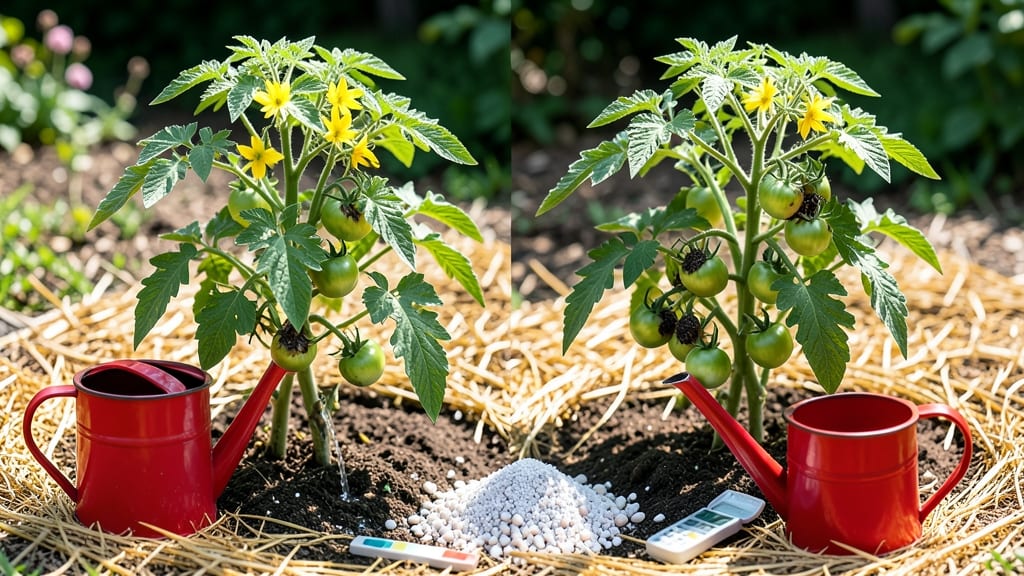
How to stop blossom end rot on tomato plants—it’s easier than you think! That sad, leathery mess on your tomatoes can be fixed in days with a simple calcium boost. 🌱 I’ve saved more harvests than I can count with this approach, and it works whether you’re growing in pots or garden beds. The key isn’t just watering better; it’s giving your plants the right nutrients when they need them most.
Uneven watering and calcium deficiency are the usual culprits, but pH problems sneak in too. Most gardeners overlook the soil’s role—until they see those dark, sunken spots on their fruit.
The fix starts with consistent moisture (no droughts, no soggy soil) and a quick calcium treatment using crushed eggshells, lime, or even a diluted calcium nitrate spray. It’s not complicated, but it does require timing.
Within 3-5 days, new blossoms will form without those ugly scars, and existing fruit will firm up. You’ll know it’s working when the plants stop dropping blossoms and start setting fruit again.
The best part? This method prevents future rot too—just keep an eye on soil moisture and feed calcium every 2-3 weeks during peak growth.
Works for cherry tomatoes, beefsteaks, and everything in between. If you’ve ever cursed a ruined tomato, this is your second chance—no fancy tools or expensive amendments needed. Let’s get those plants producing again!
Root Causes of Blossom End Rot
Blossom end rot is a frustrating but preventable issue that can turn your lush tomato plants into a sad, shriveled mess. 😬 The good news? Understanding the real culprits behind this problem is the first step to fixing it.
Below, we break down the science-backed reasons why your tomatoes develop those unsightly dark, sunken patches—and how to tackle them at the source.
Blossom end rot is primarily caused by a lack of calcium in the fruit’s developing cells. But here’s the catch: it’s not always because your soil is completely devoid of calcium. Instead, the problem often stems from calcium uptake issues in the plant.
- Why it happens:
- Calcium is immobile in plants, meaning it can’t be redirected from older leaves to new fruit when needed.
- Rapid fruit growth (like after a sudden heatwave or heavy feeding) outpaces calcium supply, leaving the blossom end (the bottom of the tomato) starved.
- pH imbalances (too acidic or alkaline soil) block calcium absorption, even if calcium is present.
- Water stress—whether from drought or overwatering—disrupts nutrient flow to the roots.
💡 Pro Tip: A soil test can reveal if your calcium levels are truly low, but more often, the issue is availability, not quantity.
Tomatoes are sensitive to moisture fluctuations, and inconsistent watering is a top trigger for blossom end rot. Here’s how it backfires:
- Drought stress:
- When roots can’t absorb enough water, calcium uptake plummets, leading to rot.
- Even brief dry spells can cause transient calcium deficiency in developing fruit.
- Overwatering:
- Poor drainage or soggy soil creates anaerobic conditions in the root zone, preventing roots from absorbing calcium efficiently.
- Flooding can also leach calcium away from the root zone, making it unavailable to the plant.
🌡️ Key Insight: Blossom end rot often appears after a period of uneven watering—like a dry spell followed by a heavy watering.
While calcium is the star of the show, other nutrients can sabotage its delivery if they’re out of whack. Here’s how:
- Excess nitrogen: - Too much nitrogen (from fertilizers or compost) speeds up leafy growth but starves the plant of calcium for fruit development. - Symptom: Lush foliage but small, rot-prone tomatoes. - Phosphorus or potassium overload: - These nutrients compete with calcium for uptake, leaving the plant calcium-deprived even if it’s in the soil. - Magnesium or zinc deficiencies: - These minerals help activate calcium in plant cells.
Without them, calcium can’t do its job.
📊 Soil Test Reality Check: Many gardeners assume they need more calcium, but the real fix is often balancing all nutrients.
Tomatoes are delicate divas when it comes to temperature and light. Extreme conditions can disrupt calcium uptake or accelerate fruit growth beyond the plant’s capacity to supply calcium.
- Heat stress:
- Sudden heatwaves (especially above 90°F/32°C) cause transpiration rates to skyrocket, pulling water and nutrients out of balance.
- Fruit grows too fast for the plant to deliver enough calcium.
- Cold snaps or frost:
- Root damage from cold soil reduces calcium absorption.
- Slow growth means existing calcium is stretched thin across fewer fruits.
- Sun scald or uneven light:
- Uneven ripening (one side of the tomato gets too much sun) can stress the plant, indirectly affecting calcium distribution.
🔥 Grower Alert: Blossom end rot often spikes after a heatwave or when tomatoes are overcrowded, competing for resources.
Healthy roots = happy calcium uptake. If your tomato’s roots are struggling, they can’t deliver calcium to the fruit—no matter how much is in the soil.
- Compacted or clay-heavy soil:
- Poor root penetration means fewer roots can absorb calcium, even if it’s abundant nearby.
- Waterlogging (from heavy clay) smothers roots, cutting off oxygen and nutrient flow.
- Shallow root systems:
- Container-grown tomatoes or plants in small pots develop shallow roots, making them prone to calcium starvation.
- Over-pruning roots (like aggressive weeding or tilling) can damage the root network.
🌱 Fix It Fast: Amend soil with compost or perlite to improve aeration, or upgrade containers for better root growth.
Not all tomatoes are equally vulnerable. Young, rapidly growing fruit is the perfect storm for blossom end rot because:
- Calcium demand spikes during cell division (when the tomato is still small and soft).
- Older tomatoes have more time to absorb calcium before symptoms appear.
- Over-fertilizing early (especially with nitrogen) accelerates growth but delays calcium delivery.
🍅 Prevention Hack: Hand-pollinate flowers (gently shake plants) to ensure even fruit set and avoid over-fertilizing in the early stages.
Fix Blossom End Rot Fast
Blossom end rot doesn’t have to mean the end of your tomato harvest—with the right fixes, you can nurse your plants back to health and prevent future outbreaks. The key is addressing the root causes (literally!) with targeted solutions.
Below, we’ve mapped out practical, step-by-step fixes for each trigger, plus prevention tips to keep your tomatoes thriving.
If your soil is calcium-starved, your tomatoes will suffer—fast. Blossom end rot thrives in calcium-deficient conditions, so act now with these fixes:
🍳 Quick Calcium Fixes (Same-Day Help)
- Epsom Salt Soak (Magnesium + Calcium Boost) Mix 1 tablespoon of Epsom salt (magnesium sulfate) and 1 tablespoon of calcium chloride or crushed eggshells in a gallon of water.
Soak the roots (not leaves!) for 15–20 minutes every 3–4 days for two weeks. Why? Magnesium helps calcium absorption, and eggshells provide a slow-release source.
- Crushed Eggshell Tea (Organic Option) Dry and crush 3–4 eggshells, then steep them in 1 quart of hot water for 24 hours. Strain and water your plants at the base (avoid wetting leaves to prevent disease).
Use this weekly until new fruit forms. Pro tip: 💡 Save shells from your kitchen—rinse, bake at 200°F for 10 minutes to kill bacteria, then crush!
- Compost or Worm Castings (Slow & Steady) Spread 1–2 inches of compost around the base of your plants (keep it 2–3 inches away from stems to avoid rot). Worm castings are even better—they’re packed with bioavailable calcium and microbes that help roots absorb nutrients. Reapply every 2–3 weeks.
🌡️ Long-Term Soil Fixes (Prevent Recurrence)
- Test Your Soil – Use a DIY calcium test kit (available at garden centers) or send a sample to your local cooperative extension for a full analysis.
Aim for 1,000–2,000 ppm of calcium in your soil. - Amend with Gypsum – Sprinkle 1–2 pounds of gypsum (calcium sulfate) per 100 square feet of garden bed.
Work it into the top 6 inches of soil before planting. Why? Gypsum adds calcium without altering soil pH, unlike lime. - Plant Calcium-Rich Companions – Interplant tomatoes with basil, marigolds, or nasturtiums, which naturally improve soil calcium levels.
Inconsistent watering is a top villain behind blossom end rot. Tomatoes need steady moisture—here’s how to fix it:
👨🍳 Watering Hacks for Healthy Fruit
- Deep Watering > Frequent Light Sprinkles Water once a day (early morning) for 10–15 minutes, soaking the root zone (first 6–12 inches of soil).
Use a soaker hose or drip irrigation to deliver water slowly and evenly. Avoid: Wetting leaves (fosters disease) or letting soil dry out completely.
- Mulch Like a Pro 🌿 Apply 2–3 inches of organic mulch (straw, wood chips, or grass clippings) around plants (but not touching the stem). Mulch retains moisture, reduces temperature swings, and prevents calcium leaching. Replenish every 4–6 weeks.
- Drought Stress? Act Fast If your plants look wilting or soil is bone-dry, give them a deep watering immediately. For severe cases, wrap the base of the plant in damp burlap overnight to hydrate roots quickly.
Temperature swings lock out calcium—here’s how to protect your tomatoes:
🔥 Heat & Cold-Proofing Tips
- Shade Cloth for Scorching Days – If temps hit above 90°F (32°C), drape 30–50% shade cloth over plants for 2–4 hours in the afternoon. Why? Heat stress blocks calcium uptake.
- Evening Watering in Hot Climates – Switch to late afternoon watering (3–4 PM) in arid regions to reduce evaporation and keep roots cool.
- Cold Snaps?
Cover Up – Use frost blankets or row covers if nights dip below 50°F (10°C). Cold soil slows nutrient absorption, including calcium.
Once you’ve treated the current issue, lock in success with these proactive steps:
| Do This | Avoid This | Why It Works |
|---|---|---|
| Fertilize with balanced NPK (10-10-10) | Over-fertilize with nitrogen | Too much nitrogen starves calcium. |
| Use compost tea weekly | Synthetic fertilizers only | Microbes in compost boost calcium availability. |
| Prune suckers regularly | Letting plants get overcrowded | Good airflow prevents stress and disease. |
| Harvest early | Leaving rotten fruit on plants | Removing affected fruit stops the spread. |
🎯 Final Pro Tip: If you’re growing in containers, switch to a calcium-rich potting mix (like 50% coco coir + 30% compost + 20% perlite) and fertilize with fish emulsion (high in calcium) every 2 weeks.
With these fixes, your tomato plants should bounce back in 7–14 days, and new fruit will form without those ugly black spots. Stay consistent, and you’ll be feasting on juicy, rot-free tomatoes in no time! 🍅✨
Frequently asked questions
Why does blossom end rot only affect the bottom of tomatoes?
The blossom end (bottom) of tomatoes is the oldest part of the fruit, where cell division happens first. Since calcium is immobile in plants, it can't be redirected from leaves to this area when needed. When calcium supply lags behind rapid growth, this vulnerable end shows the first signs of deficiency. Think of it like a starving baby in a family—it gets neglected first!
Can I still eat tomatoes with blossom end rot?
Yes! Simply cut off the affected area—the rest of the tomato is perfectly safe and edible. The rot only affects a small portion, and tomatoes are resilient. For cherry tomatoes, discard the whole fruit if more than 25% is rotted. The key is preventing the rot from spreading to healthy tissue.
How quickly will my plants recover after treatment?
With proper calcium treatment and consistent watering, you'll typically see improvement in 3-5 days. New blossoms should form without rot within 7-14 days, and existing fruit will firm up. The fastest results come from foliar sprays (calcium nitrate solution) combined with root zone amendments like crushed eggshells.
Is lime the best way to fix calcium deficiency?
Not always! While lime adds calcium, it also raises soil pH, which can lock out other nutrients. For tomatoes, gypsum (calcium sulfate) is often better because it adds calcium without changing pH. Eggshells and compost tea work too—they provide calcium in a form plants can use immediately.
Will my tomato plants grow back healthy after severe blossom end rot?
Tomato plants are perennial in warm climates and can recover completely. The key is removing all affected fruit (to stop nutrient drain) and focusing on prevention. With proper care, your plants will produce healthy new fruit in just a few weeks. Even severely affected plants can bounce back if you address the root causes!