
Plants
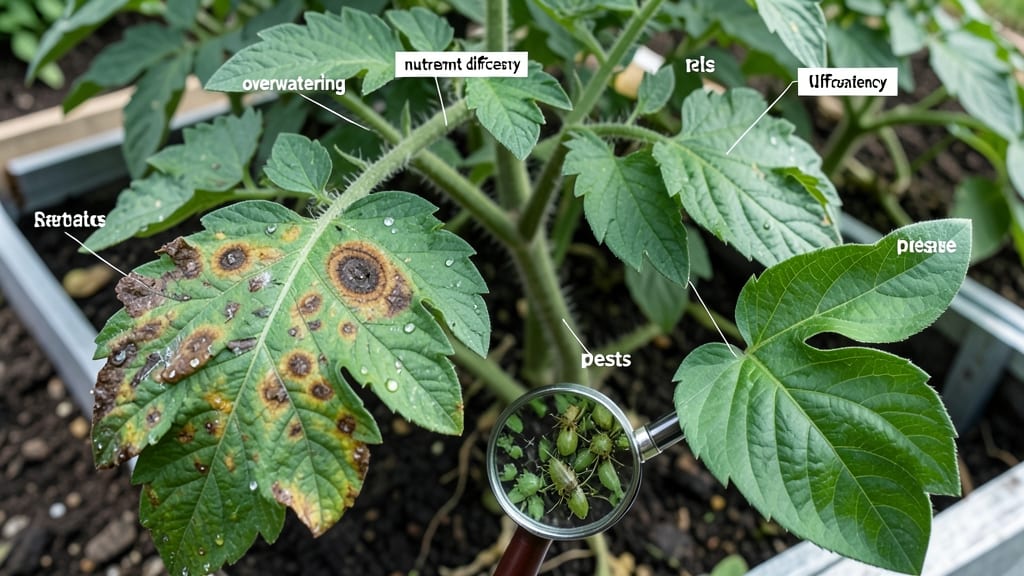
What causes yellow leaves on tomato plants usually means one of two things: you're drowning the roots or starving them of nutrients. 🌱 I've seen both ruin a season's worth of work, and the fix depends on what's really happening underground. The first step is checking the soil—if it's soggy, you're overwatering. If it's dry as a bone, that's your problem. Nutrient issues show up as yellowing between veins (magnesium) or on lower leaves (nitrogen). I've had to retest my soil more times than I can count to get this right. Once you diagnose the issue, the fixes are straightforward: adjust your watering schedule, add compost or fertilizer, or treat fungal spots with neem oil. The key is catching it early before the plant puts all its energy into recovery instead of producing fruit. Prevention is easier than curing—mulch to keep roots moist but not soggy, and feed regularly with balanced fertilizer. Your tomatoes will thank you with vibrant green leaves and heavy fruit all season long.
Root Causes Of Yellow Tomato Leaves
Yellow leaves on tomato plants aren’t just a cosmetic issue—they’re a cry for help from your plants! Understanding the science behind these symptoms is key to diagnosing and fixing the problem before it spreads.
Below, we break down the most common culprits behind yellowing foliage, complete with actionable insights to help you save your harvest.
When tomato plants sit in soggy soil for too long, their roots suffocate.
This leads to oxygen deprivation, triggering a chain reaction: - Root rot (often caused by Phytophthora or Pythium fungi) disrupts nutrient and water uptake. - Chlorosis (yellowing) occurs as the plant struggles to transport chlorophyll, especially in lower leaves. - Wilting may follow, even if the soil feels wet—this is a classic sign of root stress.
Why it happens:
- Compacted or clay-heavy soil holds excess moisture, slowing drainage.
- Overzealous watering (especially on a schedule) without checking soil moisture.
- Lack of raised beds or containers in areas with poor natural drainage.
🔍 Quick test: Stick your finger 2 inches into the soil. If it’s damp after 24 hours, you’re overwatering.
Tomatoes are heavy feeders, and yellow leaves often signal a lack of essential nutrients. Here’s how each deficiency manifests:
| Nutrient | Yellowing Pattern | Why It Happens |
|---|---|---|
| Nitrogen (N) | Older (lower) leaves yellow first | Nitrogen fuels leaf growth; deficiency stalls chlorophyll production. Common in fast-growing plants or depleted soil. |
| Magnesium (Mg) | Yellow between veins (interveinal chlorosis) | Magnesium is central to chlorophyll; deficiency often occurs in alkaline soil or after heavy rain leaches it away. |
| Iron (Fe) | Young leaves yellow, veins stay green | Iron is immobile in plants—new growth suffers first. Calcium buildup (from lime or hard water) blocks iron uptake. |
| Potassium (K) | Leaf edges scorch/yellow, weak stems | Potassium regulates water and disease resistance. Deficiency often appears under heat stress or poor soil health. |
Pro tip: 💡 If your soil pH is above 7.0, iron and manganese deficiencies become more likely. Test your soil—amend with chelated iron or sulfur if needed.
Not all yellowing is due to water or nutrients—pests and diseases can also turn your tomato leaves into a sad, pale mess.
- Spider mites (tiny red pests) suck sap, causing stippling and yellowing (especially on undersides of leaves). They thrive in dry, hot conditions. - Aphids cluster on new growth, excreting sticky honeydew that fosters sooty mold (a black fungal growth).
Leaves may curl and yellow. - Early blight (Alternaria solani) creates concentric yellow rings with dark spots. It spreads via splashing water or infected debris. - Verticillium or Fusarium wilt (soil-borne fungi) cause yellowing between veins, starting at the bottom.
Unfortunately, these are often fatal—prevention is key.
🛡️ Prevention:
- Inspect leaves daily (especially undersides) for pests.
- Remove infected foliage immediately and disinfect pruners with rubbing alcohol.
- Rotate crops and avoid planting tomatoes in the same spot yearly.
Tomatoes are sensitive to temperature extremes and light fluctuations, which can trigger yellowing:
- Heat stress (above 90°F/32°C): Causes sunscald (yellow/brown patches) and leaf drop.
Tomatoes may also yellow at the tips due to excessive transpiration. - Cold damage (below 50°F/10°C at night): Leaves may turn yellow or purple, especially in basil or pepper-infested areas (these plants release allelopathic chemicals). - Shade deficiency: In low-light conditions, leaves may yellow uniformly as the plant stretches toward light (etiolation).
This is common in overcrowded containers or under trees.
🌡️ Actionable fixes:
- Provide afternoon shade in hot climates (use shade cloth).
- Mulch heavily to regulate soil temperature.
- Thin plants to ensure 6–12 inches of space for airflow and light penetration.
Even well-cared-for tomatoes can yellow after transplanting, pruning, or rough handling:
- Root pruning (cutting roots during transplant) disrupts water/nutrient flow, causing temporary yellowing.
- Physical damage (e.g., from wind or harsh pruning) stresses the plant, leading to chlorosis.
- Sudden changes (like moving from a nursery to your garden) can shock the plant if it’s not hardened off properly.
🔄 Recovery steps:
- Avoid fertilizing for 1–2 weeks post-transplant—let roots recover first.
- Water deeply to reduce stress.
- Use root stimulators (like mycorrhizal fungi) to encourage regrowth.
Fixing Yellow Leaves Step by Step
Yellow leaves on your tomato plants don’t have to mean the end of your harvest—with the right fixes, you can nurse them back to health and prevent future issues. Below, we’ll match each cause to a practical solution, so you can act fast and keep your tomatoes thriving. 🌱🍅
Fix: Adjust your watering habits and improve soil aeration.
- 🔥 Check the Soil First Before watering, stick your finger 1–2 inches into the soil. If it’s soggy, hold off on watering. Tomato plants prefer soil that’s moist but not waterlogged—think of a wrung-out sponge.
- 👨🍳 Water Deeply, Less Often Instead of light, frequent watering, give your plants a deep soak 1–2 times per week (adjust based on climate). Use a drip irrigation system or a soaker hose to deliver water directly to the roots, avoiding wet foliage.
- ⏰ Water in the Morning Early morning watering (before 10 AM) reduces evaporation and gives leaves time to dry, preventing fungal diseases like blight.
- 🔪 Improve Drainage If your pots or garden beds retain too much water, amend the soil with:
- Perlite or vermiculite (20–30% mix) for better aeration.
- Coarse sand (for heavy clay soils).
- Raised beds if drainage is chronically poor.
- 🌡️ Mulch to Retain Moisture Without Overdoing It Apply 2–3 inches of organic mulch (straw, wood chips) to keep roots cool and moisture consistent. Avoid piling mulch against the stem.
💡 Prevention Tip: Test your soil’s drainage by filling a container with water and timing how long it takes to drain. If it takes more than 30 minutes, your soil is too dense.
Fix: Hydrate properly and protect plants from extreme heat.
- 🍳 Increase Watering Frequency If the soil feels dry an inch below the surface, it’s time to water. In hot weather, you may need to water daily—but always check the soil first.
- 🥘 Use Shade Cloth for Young Plants If temperatures exceed 90°F (32°C), provide 30–50% shade during peak afternoon sun. This prevents leaf scorch and stress.
- 🌿 Prune for Better Airflow Remove lower leaves touching the ground to improve airflow and reduce evaporation from foliage.
- 💪 Boost Humidity (Indoors or Greenhouses) Use a humidifier or mist plants lightly in the morning to combat dry air.
✨ Prevention Tip: Group tomato plants together to create a microclimate that retains moisture and moderates temperature swings.
Fix: Diagnose the deficiency and fertilize correctly.
| Symptom | Likely Deficiency | Solution |
|---|---|---|
| Yellow lower leaves | Nitrogen (N) | Apply balanced fertilizer (10-10-10) or compost tea. Avoid overdoing it—too much nitrogen causes weak growth. |
| Yellow edges/curling | Potassium (K) | Use a potassium-rich fertilizer (like banana peel tea or greensand). Or, add wood ash (sparingly) to the soil. |
| Yellow patches between veins | Magnesium (Mg) | Sprinkle Epsom salt (1 tbsp per gallon of water) every 2–4 weeks. Avoid overapplying—it can harm roots. |
💡 Pro Tips:
- Test your soil (DIY kits are cheap!) to confirm deficiencies before fertilizing.
- Avoid synthetic fertilizers if your plants show signs of salt burn (crispy edges)—switch to organic options like fish emulsion or worm castings.
- Foliar spray (mix fertilizer with water and spray on leaves) works faster for severe deficiencies.
Fix: Isolate, treat, and prevent reinfection.
- 🔪 Remove Infested Leaves Clip off yellowed or spotted leaves and dispose of them in the trash (not compost). This stops pests/diseases from spreading.
- 🍳 Natural Pest Control
- Fungal Issues (Early Blight): Apply baking soda spray (1 tsp baking soda + 1 quart water + a drop of soap) weekly.
- 🌿 Improve Air Circulation Space plants 18–24 inches apart and prune to reduce humidity buildup in foliage.
- 🌡️ Rotate Crops If fungal diseases are recurring, don’t replant tomatoes in the same spot for 2–3 years.
🎯 Prevention Tip: Copper fungicide (applied preventatively) can stop early blight before it starts. Use it every 10–14 days during humid seasons.
Fix: Stabilize the plant and encourage recovery.
- 👨🍳 Water Thoroughly After Transplanting Give newly planted tomatoes a deep watering to reduce shock. Use a root stimulator (like seaweed extract) to speed up recovery.
- 🌿 Avoid Disturbing Roots If you recently repotted or moved the plant, hold off on fertilizing for 1–2 weeks—focus on water and shade first.
- 🥘 Support the Plant Use stakes or cages to prevent wind/rain from damaging weak stems.
💡 Quick Recovery Hack: Trim any yellow or damaged leaves to redirect energy to new growth. The plant will bounce back faster!
Final Thought: Most yellow-leaf issues are fixable with minor adjustments—just act quickly and monitor your plants closely. 🚀 Keep a gardening journal to track watering, fertilizing, and weather patterns, so you can spot problems before they worsen. Happy growing!
Frequently asked questions
Why do my tomato plant's lower leaves yellow first?
This is usually a sign of nitrogen deficiency or aging leaves. Tomato plants naturally recycle nutrients from older leaves to new growth. If the yellowing spreads quickly or appears pale green/yellow, test your soil and add compost or balanced fertilizer (like 10-10-10). For healthy plants, lower leaves yellowing slowly is normal as the plant matures.
Can I save my tomato plant if all the leaves are yellow?
It depends on the cause! If the yellowing is from overwatering or root rot, the plant may not recover. But if it's a nutrient deficiency or transplant shock, prune the yellow leaves (except top ones) and adjust care. For severe cases, focus on saving new growth—healthy leaves can still produce fruit, though yields may be smaller.
What's the difference between yellow leaves from pests vs. disease?
Pests like aphids or spider mites cause yellowing with visible damage—sticky residue (honeydew), tiny webs, or curled leaves. Diseases (like early blight) show spots or rings with yellow halos. Check leaf undersides for pests or fungal growth. Neem oil treats pests, while copper fungicide prevents disease spread.
Will Epsom salt fix all yellow leaves on tomato plants?
No—Epsom salt (magnesium sulfate) only helps if the yellowing is between veins (interveinal chlorosis). For other causes like overwatering or nitrogen deficiency, it won't work. Test your soil first! If magnesium is the issue, use 1 tablespoon per gallon of water every 2-4 weeks, but avoid overapplying.
Can I still harvest tomatoes if the leaves are yellow?
Yes! The plant can still produce fruit even with yellow leaves. Focus on ripening existing tomatoes first. If the issue is water/nutrients, the plant may recover enough to set new fruit. Just avoid heavy pruning—keep 6-8 leaves above the growing tip to maintain photosynthesis for fruit development.