
Planting
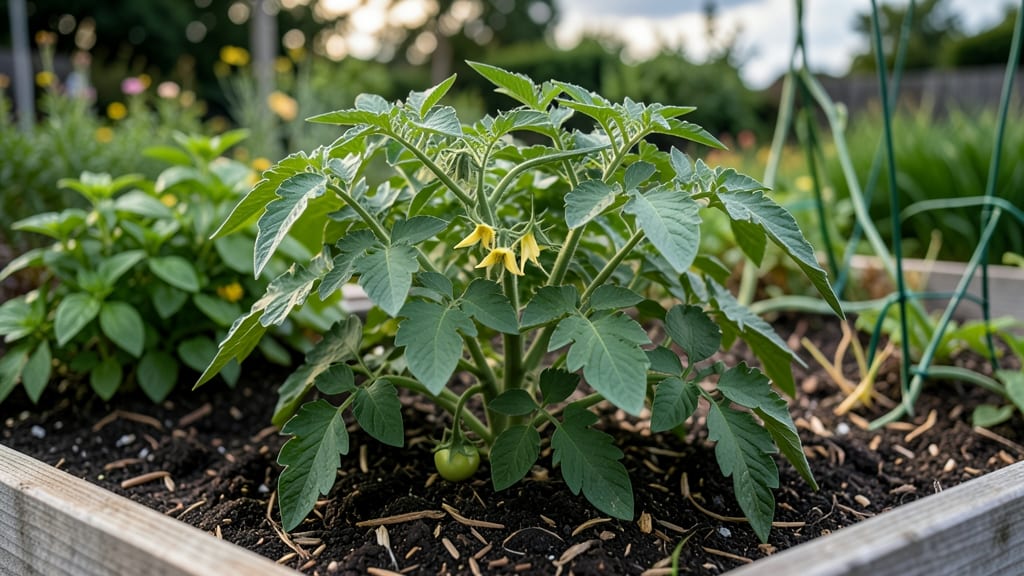
A sucker on a tomato plant looks like a small, leafy shoot growing upward between the main stem and a branch, with tiny leaves and a thin stem that angles away from the plant. These shoots divert energy from fruit production, so removing them early helps maximize your harvest.
A sucker typically appears as a small, upward-growing stem emerging from the leaf axil—the area where the leaf meets the main stem. 🌱 These growths often have a slightly lighter green hue than the main plant and may look like miniature versions of the tomato plant itself.
The key identifier is their position: they grow at a 45-degree angle or straight up, rather than along the main vine. Removing them early prevents the plant from wasting energy on unnecessary foliage, allowing it to focus on producing more fruit.
Think of suckers as the plant's way of creating backup branches. While they might seem harmless, each one diverts nutrients that could otherwise go toward your tomatoes. 🍅 I recommend checking your plants weekly during the growing season, as suckers can appear rapidly once the plant is established.
The sooner you remove them, the healthier your tomato plant will stay.
💡 In This Article
- Tomato Plant Sucker Growth Patterns and Biology
- Step-by-Step Guide to Identifying and Removing Tomato Plant Suckers
Tomato plant sucker growth patterns and biology
Suckers develop from axillary buds—tiny growth points located in the leaf axils, where the leaf stem meets the main vine.
These buds contain dormant cells that can activate when the plant receives excess nutrients or sunlight, triggering the growth of new shoots. 🌿 The process begins when hormones like auxin (produced at the plant's growing tips) shift balance, causing these buds to sprout instead of remaining dormant.
This hormonal shift often happens after pruning or when the plant receives extra fertilizer, sending signals that more growth is possible.
Each sucker starts as a small bump about 1/8-inch wide, then grows into a thin stem with 1-3 tiny leaves. Unlike the main plant's broader leaves, sucker leaves are often lighter green and more delicate, resembling miniature versions of the parent plant.
The stem typically angles upward at a 45-degree or steeper angle, creating that classic "V" shape when viewed from the side. This upward growth pattern helps distinguish suckers from the main vine's horizontal branches.
The real issue with suckers lies in their energy demands. A tomato plant allocates its resources between three main areas: roots, leaves, and fruit. When suckers appear, they compete for the plant's limited energy, often at the expense of your tomatoes.
Studies show that each sucker can divert up to 15-20% of the plant's energy toward leaf production rather than fruit development. 🍅 This competition becomes especially critical during flowering, when the plant needs maximum resources to set fruit.
Removing suckers early helps redirect that energy toward stronger root systems and heavier fruit loads.
Here's what happens biologically when you leave suckers unchecked: the plant's vascular system (its circulatory network) must support additional stems and leaves, which increases water and nutrient demands. This creates a domino effect—thicker vines require more support, which can lead to weaker stems that break under fruit weight.
The roots, meanwhile, must work harder to supply both the main plant and these extra growths, potentially leading to nutrient deficiencies even if you're fertilizing regularly.
Consider this comparison: a well-pruned tomato plant with no suckers can produce 20-30% more fruit than an unpruned one, according to agricultural research. The difference comes from eliminating this energy drain.
Even determinate (bush) tomatoes, which don't naturally vine, can develop suckers at the leaf axils—though they're generally less aggressive than indeterminate varieties. The key is understanding that every sucker represents a decision point for your plant: grow more leaves or grow more tomatoes.
What most gardeners don't realize is that suckers also create microclimates that affect fruit quality. The dense foliage from multiple suckers can trap moisture, increasing humidity around the fruit and promoting diseases like blight.
The leaves also cast shade, which reduces sunlight exposure to developing tomatoes—critical for proper ripening and flavor development. This is why professional growers often remove suckers within 24-48 hours of appearance, giving the plant time to recover before the next growth cycle begins.