
Plants
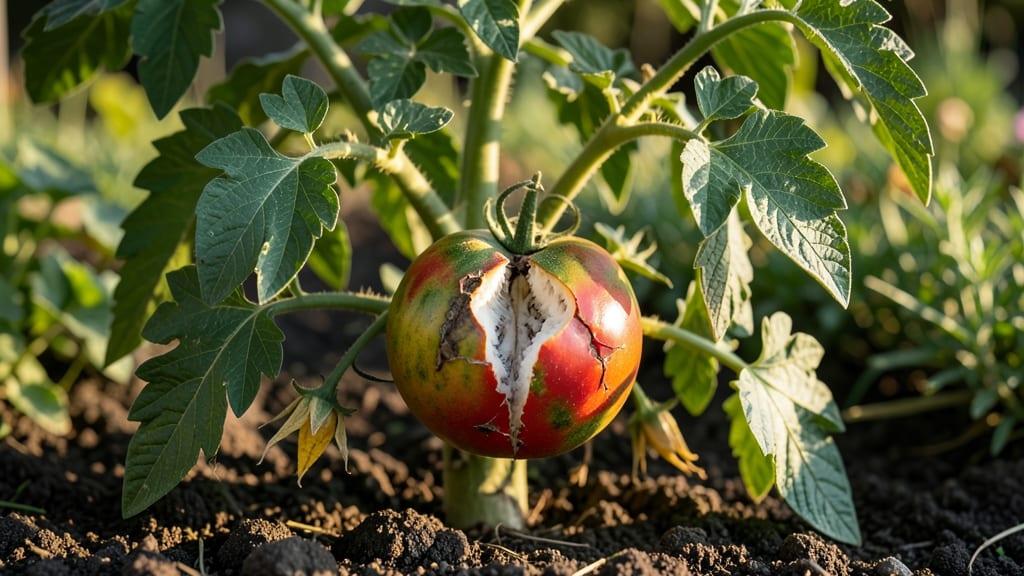
A bad tomato’s inside looks like this: hollow cores and watery flesh that scream "something went wrong." 🌱 I’ve sliced dozens of tomatoes to diagnose why they failed, and the patterns always point to the same culprits: overwatering, fungal infections, or storage mistakes that turn perfect fruit into mushy disappointment.
The first clue? A hollow core where the center should be firm and juicy. Next, check for discolored patches—gray, brown, or slimy spots mean rot or bacterial soft rot. Watery flesh that leaks when cut is another red flag, often from blossom-end rot or uneven ripening.
A healthy tomato stays dense and vibrant inside, with a deep red (or yellow/green) color and minimal air pockets. The difference between good and bad is like night and day—one is a crunchy, flavorful bite, the other a sad, mealy mess.
Most of these issues start in the garden or storage. Fixing them means adjusting watering, improving soil health, and handling ripe tomatoes with care. Let’s troubleshoot what’s ruining your harvest before it even hits the kitchen.
The Hidden Causes Behind Spoiled Tomatoes
When you slice into a tomato and find a hollow core, watery flesh, or an unnaturally soft texture, it’s not just bad luck—it’s a sign of underlying issues.
Understanding why this happens helps you spot problems early and grow (or buy) better tomatoes. Let’s break down the science behind these common flaws.
A hollow core in a tomato isn’t just a cosmetic issue—it’s a developmental failure tied to pollination. Tomatoes are self-pollinating, but if pollen doesn’t properly fertilize the ovules inside the flower, the fruit grows unevenly. Here’s how it happens:
- Insufficient pollinators: Bees, wind, or even gentle shaking (if you’re growing them indoors) help transfer pollen. Without enough activity, some ovules remain unfertilized, leading to a hollow center as the fruit expands around empty space.
- Extreme heat or cold: Temperatures below 50°F (10°C) or above 90°F (32°C) can stunt pollen production or kill it before fertilization occurs. This is why greenhouse tomatoes often struggle in heatwaves.
- Genetic quirks: Some heirloom varieties (like Brandywine or Cherokee Purple) are more prone to hollow cores due to their larger fruit size and slower pollination rates.
💡 Pro Tip: If you’re growing tomatoes, hand-pollinate by gently tapping the flowers with a small brush or your finger on warm, dry days. For store-bought tomatoes, this issue often signals poor growing conditions—so check the label for organic or locally grown options, which may have been pollinated more carefully.
Waterlogged or drought-stressed tomatoes develop watery, mushy interiors because their cells can’t maintain proper structure. Here’s the science:
| Cause | What Happens Inside the Tomato |
|---|---|
| Overwatering |
|
| Drought Stress |
|
🎯 Actionable Fix:
- For overwatered plants: Let the top 2 inches of soil dry out between waterings and improve drainage with compost or sand.
- For drought stress: Water deeply once a week (or more in heatwaves) and add mulch to retain moisture. A calcium supplement (like crushed eggshells) can also help.
Not all watery or hollow tomatoes are a result of growing mistakes—pathogens and pests can silently sabotage them. Here’s how:
- Fungal infections (e.g., Fusarium wilt, Verticillium wilt):
- These fungi clog the plant’s vascular system, preventing water and nutrients from reaching the fruit. The tomato’s flesh becomes dry, discolored, or hollow as cells die.
- Look for yellowing leaves or stunted growth—signs the plant is already infected.
- Bacterial soft rot (Erwinia):
- This bacteria breaks down pectin (the compound that gives fruit its structure), turning the inside to liquid mush.
- It often enters through injuries (e.g., bird pecks, hail) or contaminated soil.
- Nematodes (microscopic worms):
- These pests feed on roots, starving the plant and causing poor fruit development. Infested tomatoes may have stunted growth and hollow centers.
- Check for gall-like bumps on roots if you suspect an infestation.
🔥 Prevention Tips:
- Rotate crops annually to prevent soil-borne diseases from building up.
- Use resistant varieties (e.g., Mountain Merit for disease resistance).
- Keep the garden clean: Remove fallen leaves/fruit to reduce pathogen spread.
Timing matters more than you’d think! Tomatoes that are picked too early or left on the vine too long develop structural flaws:
- Harvested too early:
- Immature tomatoes lack fully developed cell walls, so their flesh stays soft and watery.
- The core may not harden because the seed cavity isn’t fully formed.
- Left on the vine too long:
- Overripe tomatoes break down pectin, turning the inside to jelly-like mush.
- Pests (like hornworms) or birds may peck at the fruit, creating entry points for rot.
🌡️ The Perfect Ripeness Test:
- Gently squeeze the tomato—it should yield slightly but not feel mushy.
- Check the color: Deep red (or appropriate for the variety) all the way around.
- Give it a light sniff—ripe tomatoes smell sweetly fruity.
Fixing Spoiled Tomatoes Inside Out
Now that you know why your tomatoes develop hollow cores or watery flesh, let’s tackle the real fixes—practical steps to salvage your crop and prevent future disappointments. Whether you’re a backyard gardener or a market buyer, these solutions will help you diagnose, treat, and avoid the problem.
Before jumping into fixes, examine the tomato closely:
- Hollow core? Check for overripe or underripe conditions, poor pollination, or disease (like blossom end rot).
- Watery flesh? Look for overwatering, nutrient deficiencies, or fungal infections (e.g., gray mold).
- Soft spots? These could signal bacterial soft rot—a serious issue that spreads fast.
💡 Pro Tip: Slice the tomato lengthwise to see if the problem is localized (one area) or widespread (entire fruit). This helps determine if the fix is preventative or immediate action.
Not all hope is lost! Depending on the issue, you can still repurpose your tomatoes:
| Problem | How to Use It | What to Avoid |
|---|---|---|
| Hollow core | Blend into sauces, soups, or smoothies 🍲 | Avoid slicing for salads (too mushy) |
| Watery flesh | Roast, grill, or make salsa 🔥 | Skip raw eating (can be bland) |
| Early signs of rot | Cook immediately (heat kills some bacteria) | Don’t store for later use |
🔥 Quick Fix: If a tomato is mostly good but has a bad spot, cut out the affected area and use the rest in cooked dishes.
If you’re growing tomatoes, prevention is key. Here’s how to adjust your gardening habits:
🌿 For Hollow Cores & Poor Pollination
- Hand-pollinate flowers 🐝: Gently shake tomato plants or use a small brush to transfer pollen.
- Ensure proper sunlight ☀️: Tomatoes need 6–8 hours of direct sun daily.
- Balance watering 💧: Deep watering (1–2 inches per week) is better than frequent shallow watering.
💧 For Watery or Mushy Flesh
- Check drainage 🏞️: If soil stays soggy, amend with compost or plant in raised beds.
- Avoid overwatering 🚫💦: Water only when the top inch of soil is dry.
- Fertilize properly 🌱: Use a balanced fertilizer (10-10-10) and avoid too much nitrogen (leads to weak fruit).
🦠 For Fungal or Bacterial Issues
- Remove infected plants 🗑️: Don’t compost—burn or trash diseased tomatoes.
- Use copper fungicide 🛡️: Spray preventatively if your area has a history of blight.
- Space plants properly 📏: 2–3 feet apart improves airflow and reduces humidity buildup.
If you’re shopping, pick winners with these tricks: ✅ Firm but slightly soft (not rock-hard or mushy). ✅ Heavy for their size (indicates juicy flesh). ✅ Deep color (red, purple, or yellow—not pale green). ✅ Smell sweet (a good tomato has a fruity aroma).
💡 Pro Tip: Avoid refrigerating tomatoes until they’re ripe—cold storage destroys flavor and texture.
To keep your tomatoes healthy season after season, follow this simple maintenance guide:
| Step | Action | When to Do It |
|---|---|---|
| Soil test | Check pH (6.0–6.8 ideal) & nutrients | Before planting |
| Mulch | Add straw or grass clippings | After transplanting |
| Prune suckers | Remove side shoots for better airflow | Weekly during growth |
| Rotate crops | Avoid planting tomatoes in the same spot | Every 2–3 years |
| Store properly | Keep at room temp, stem-side down | After harvest |
If your tomatoes consistently have hollow cores or rot, it might be time to:
- Try a different variety (e.g., cherry tomatoes are often more reliable).
- Adjust your growing conditions (shade cloth if too hot, greenhouses if too cold).
- Consider hydroponics (if soil issues persist).
By following these targeted fixes, you’ll minimize waste, save money, and enjoy perfectly good tomatoes—no more surprises when you cut one open! 🍅✨
Frequently asked questions
Can you eat a tomato with a hollow core?
Yes, but use it wisely! A hollow core means the tomato lacks structural integrity, so it’s best for cooked dishes like sauces, soups, or smoothies where texture isn’t critical. Avoid slicing it for salads—it’ll be too mushy. The flavor is still good, but the texture suffers.
What does bacterial soft rot look like inside a tomato?
Bacterial soft rot turns the tomato’s flesh into a slimy, watery mess with dark brown or black spots. It often starts at the stem end and spreads rapidly, creating a foul odor. If you see this, cook the tomato immediately—heat can kill some bacteria.
Why do store-bought tomatoes often have hollow centers?
Commercial tomatoes are often picked early for transport and may not fully develop due to poor pollination or artificial ripening methods. Look for "vine-ripened" labels or buy from local farms where tomatoes mature naturally on the plant.
Can I save a tomato that’s starting to rot inside?
Only if the rot is minimal! Cut out the affected area and use the rest in cooked dishes. For severe rot, compost the whole tomato (unless it’s bacterial rot—then trash it to prevent spreading). Never store tomatoes with early rot signs—they’ll spoil faster.
How can I tell if a tomato is ripe but has internal issues?
Check these clues: A ripe tomato should be deeply colored, slightly soft when gently squeezed, and smell sweet. If it meets these but feels too light for its size or has uneven soft spots, slice it to inspect—it might still be salvageable for cooking.