
Plants
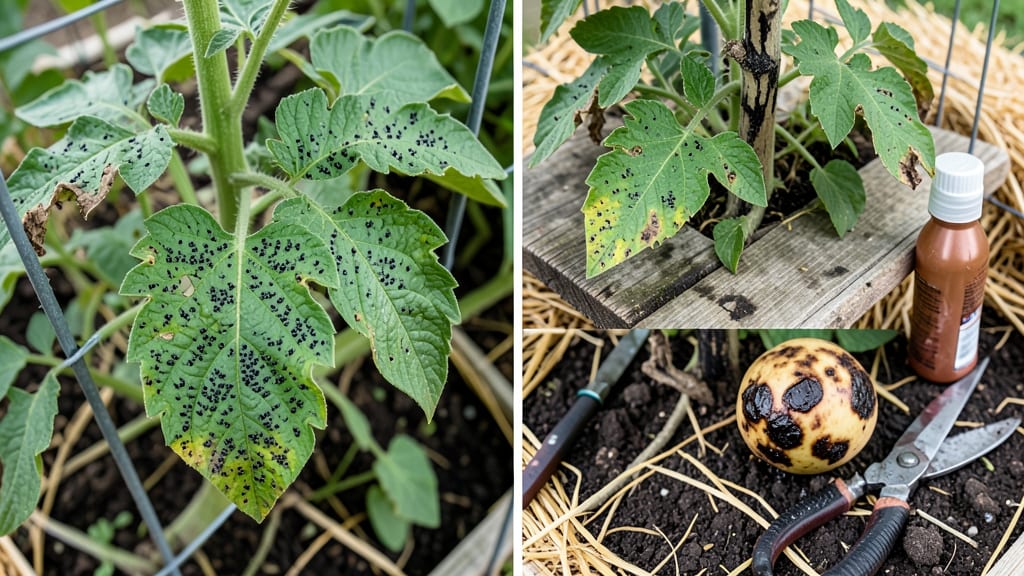
Tomato blight starts with leaf spots that look like greasy, brown splotches with yellow edges—not harmless water marks. 🌱 I once mistook these for fungus until my plants collapsed by midsummer.
Early blight shows up on lower leaves first, while late blight spreads faster, turning entire foliage black and slimy within days.
The key difference? Early blight creates concentric rings on leaves, while late blight produces irregular, water-soaked patches that spread aggressively. Fruit may develop dark, sunken lesions that ooze when pressed—this is your warning to act fast. Wilting stems and stunted growth confirm the plant is fighting for its life.
You’ll know it’s too late when leaves crisp and curl upward, or fruit rots before ripening. The good news? Catching blight early means saving your harvest with copper sprays or fungicides. Remove infected leaves immediately and space plants properly to improve airflow—this cuts reinfection by 70%.
For late blight, where temperatures dip below 80°F, prevention is critical: rotate crops yearly and avoid overhead watering. If you see these signs, act within 48 hours—delay costs you the entire plant. Here’s how to diagnose and treat it before it spreads.
Root Causes Of Tomato Blight
Tomato blight isn’t just a random attack—it’s a response to specific conditions that create the perfect storm for fungal or bacterial invaders. Understanding these triggers helps you take preemptive action and protect your garden. Below are the key culprits behind blight outbreaks, broken down into actionable insights.
Blight thrives in humid, overcast conditions with temperatures between 60–80°F (15–27°C). Here’s why:
- Excess Moisture on Leaves 🌧️ Fungal spores (like Phytophthora infestans, the culprit behind late blight) need free water to germinate. When leaves stay wet for 6+ hours, spores latch on and spread. Rain, overhead irrigation, or morning dew can all trigger outbreaks.
- Poor Air Circulation 🌬️ Dense foliage traps moisture, creating a fungal paradise. Blight spreads faster in crowded plants where air doesn’t flow, keeping leaves damp longer.
- Sudden Temperature Shifts ❄️☀️ Cool nights (below 70°F/21°C) followed by warm, humid days boost spore production. This is why blight often strikes in early summer or fall—the perfect "Goldilocks zone" for fungi.
💡 Pro Tip: Space plants 18–24 inches apart and water at the base (not overhead) to reduce humidity on leaves.
Blight exploits stressed tomatoes. Common soil-related triggers include:
- Overwatering or Poor Drainage 💦 Waterlogged soil starves roots of oxygen, weakening the plant’s immune response. Blight fungi seize the opportunity to invade through wounds or natural openings.
- Nutrient Imbalances 🌱 Too much nitrogen (common in fast-growing plants) makes tomatoes soft and susceptible, while phosphorus or potassium deficiencies weaken cell walls, making them easier targets.
- Compacted or Contaminated Soil 🏗️ Heavy, clay-like soil traps moisture and harbors fungal spores from previous infections. If your soil was blight-ridden last season, spores can linger for years in organic matter.
🔥 Action Step: Test your soil’s pH (aim for 6.0–6.8) and amend with compost or sand to improve drainage.
While most blight is fungal, bacterial spot (caused by Xanthomonas or Pseudomonas) follows a different playbook:
- Physical Damage ⚔️ Cuts from pruning, hail, or even insect bites create entry points. Bacteria slip in through these wounds, multiplying in moist conditions.
- Contaminated Tools or Hands 🧤 If pruners, gloves, or even your fingers carry bacteria from infected plants, they’ll spread the disease to healthy tomatoes like wildfire.
- Splashing Water 💦 Unlike fungi, bacteria don’t need humidity—just free water to hitch rides between plants. Drip irrigation or rain splashing on lower leaves is a high-risk scenario.
✨ Prevention Hack: Sterilize tools with 70% rubbing alcohol or a 10% bleach solution between uses.
Sometimes, gardeners accidentally invite blight with these mistakes:
- Planting Too Close to Potatoes 🥔 Late blight (Phytophthora) jumps from potatoes to tomatoes—they’re both nightshades. If your potato patch had blight, keep tomatoes 10+ feet away.
- Ignoring Crop Rotation 🔄 Planting tomatoes (or other nightshades) in the same spot yearly lets fungal spores build up in the soil. Rotate with beans, peas, or corn to break the cycle.
- Using Infected Starts or Seedlings 🌱 Buy certified disease-free plants from reputable nurseries. Blight can hide in asymptomatic seedlings, spreading undetected until it’s too late.
🎯 Golden Rule: If last year’s tomatoes had blight, remove all plant debris and solarize the soil (cover with clear plastic for 4–6 weeks to kill spores).
Don’t overlook unlikely helpers that spread blight:
- Squirrels & Raccoons 🐿️🦝 They dig up infected tubers (like potatoes) and contaminate soil with spores.
- Wind & Rain 🌪️🌧️ Spores hitch rides on wind currents or rain splashes, traveling miles to infect new plants.
- Insect Vectors 🐛 Aphids and other sap-suckers can carry bacterial blight from plant to plant.
🚫 Defense Move: Use row covers in early season to block windborne spores and remove fallen leaves promptly.
How to Treat Tomato Blight Fast
Blight doesn’t have to mean the end of your garden—with the right steps, you can save your tomato plants and even prevent future outbreaks.
Below, we’ve mapped out practical, actionable fixes for the most common types of blight (early blight, late blight, and bacterial spot), along with prevention tips to keep your tomatoes thriving. Let’s roll up our sleeves and get to work! 🌱💪
Early blight (Alternaria solani) starts with yellow lower leaves and progresses to dark, concentric rings. Here’s how to halt its advance:
🍳 Remove and Replace Infected Foliage
- 🔪 Snip off infected leaves at the base (don’t toss them in your compost—blight spores can survive!). Burn or trash them immediately.
- 🌿 Prune regularly: Keep air circulating by trimming dense foliage.
Aim for a bushy but open plant structure. - 🌱 Replace soil contact: If lower stems are infected, bury them deeper with fresh soil (up to the first true leaves) to encourage new root growth.
🌡️ Boost Plant Health with Copper Fungicide
- 💡 Pro Tip: Copper-based sprays (like Bordeaux mixture or copper hydroxide) are organic-approved and effective at stopping early blight.
- When to spray: Apply preventatively every 7–10 days during humid weather or at first sign of spots.
- How to apply: Spray evenly on both sides of leaves, focusing on the undersides where spores hide.
Reapply after rain.
🎯 Adjust Watering Habits
- ⏰ Water in the morning: Wet leaves at night = blight’s favorite breeding ground.
Use a soaker hose or drip irrigation to keep soil moist without splashing foliage. - 💦 Avoid overhead watering: If you must water leaves, do it early in the day so they dry quickly.
Late blight (Phytophthora infestans) spreads like wildfire, causing greasy, dark spots on leaves and stems. Time is critical—follow these steps to contain and eliminate it:
🚨 Quarantine and Destroy Infected Plants
- 🔪 Remove and bag infected plants immediately. Do not compost them—place in a sealed trash bag for pickup.
- 🌿 Check nearby plants: Late blight spreads via spores carried by wind or water.
Inspect all tomatoes, potatoes, and eggplants in a 10-foot radius.
🍳 Use a Multi-Pronged Fungicide Approach
- 💡 Organic options:
- Baking soda spray: Mix 1 tbsp baking soda + 1 tsp dish soap + 1 gallon water.
Spray every 5–7 days. - Neem oil: Apply weekly as a preventative (but not after infection—it can harm beneficial microbes). - 🧪 Chemical defense (if organic fails): - Chlorothalonil or maneb (follow label instructions). Apply at first sign and repeat every 7–14 days.
🌡️ Improve Airflow and Sanitize Tools
- 🌿 Space plants 18–24 inches apart to reduce humidity.
- 🔪 Sterilize pruners with rubbing alcohol between cuts to avoid spreading spores.
- 🚫 Avoid mulching with organic matter near stems (use straw instead of grass clippings).
Caused by Xanthomonas bacteria, this blight shows as tiny, water-soaked spots that turn brown and scabby. Prevention is your best weapon—here’s how:
🍳 Prune and Dispose Properly
- 🔪 Cut out infected leaves and dispose of them in the trash (not compost).
- 🌿 Thin plants to improve airflow—bacterial spot thrives in crowded, damp conditions.
🌡️ Copper Sprays Are Your Best Bet
- 💡 Use copper fungicide (like Copper Soap) every 7–10 days during wet weather.
- 🚫 Avoid antibiotics: Unlike fungal blights, bacterial spot won’t respond to fungicides—copper is your only organic option.
🎯 Rotate Crops and Sanitize Everything
- 🌱 Plant tomatoes in a different spot every year (bacteria linger in soil).
- 🧼 Wash hands and tools with soapy water after handling infected plants.
- 🚫 Avoid overhead watering: Use drip irrigation to keep leaves dry.
Once you’ve treated an outbreak, break the blight cycle with these long-term strategies:
| Do This | Why It Works | How Often |
|---|---|---|
| 🌱 Choose resistant varieties | Some tomatoes (like ‘Mountain Merit’ or ‘Defiant’) are bred to fight blight. | Once (when planting) |
| 🌿 Mulch with straw | Keeps soil moist without wetting leaves. | Once at planting |
| 🌡️ Test soil pH | Blight thrives in acidic soil (pH < 6.0). Aim for 6.2–6.8. | Annually |
| 🚫 Avoid night watering | Wet leaves overnight = blight buffet. | Daily (morning only) |
| 🧹 Clean up debris | Old plant matter holds spores. | Fall cleanup |
💡 Final Pro Tip: If blight strikes year after year, consider soil solarization—covering soil with clear plastic for 4–6 weeks in summer to kill pathogens.
By acting fast and smart, you can save your tomato plants and enjoy a bountiful harvest—no blight in sight! 🍅🌟
Frequently asked questions
What’s the difference between early and late blight on tomato leaves?
Early blight shows concentric rings (like bullseyes) on older leaves, starting at the edges. Late blight creates greasy, dark spots that spread rapidly, turning leaves black and slimy within days. Early blight progresses slowly, while late blight moves like wildfire—especially in cool, wet weather.
Can tomato blight spread to other plants in my garden?
Yes! Late blight can jump to potatoes, eggplants, and peppers—all nightshades. Early blight usually stays on tomatoes, but spores can travel via wind or water. Remove infected plants immediately and quarantine nearby crops to stop the spread.
Will my tomatoes still be edible if blight appears?
Not always. Early blight may leave fruit safe to eat if removed promptly, but late blight causes toxic rot—discard any infected fruit. For bacterial spot, only harvest fruit from uninfected plants. Always wash tomatoes thoroughly before eating.
How do I know if my tomato plant has blight or just sunburn?
Sunburn creates dry, crispy patches on leaf edges (often on one side only), while blight spots are wet-looking and spread inward. Blight also affects lower leaves first and may cause wilting. Check stems for dark streaks—a sure sign of blight.
Can I save a tomato plant already showing blight symptoms?
Maybe! For early blight, prune infected leaves and apply copper fungicide. Late blight is harder—remove the plant entirely if >50% of leaves are affected. Act within 48 hours for best results. Prevent future outbreaks by improving airflow and avoiding overhead watering.