
Plants
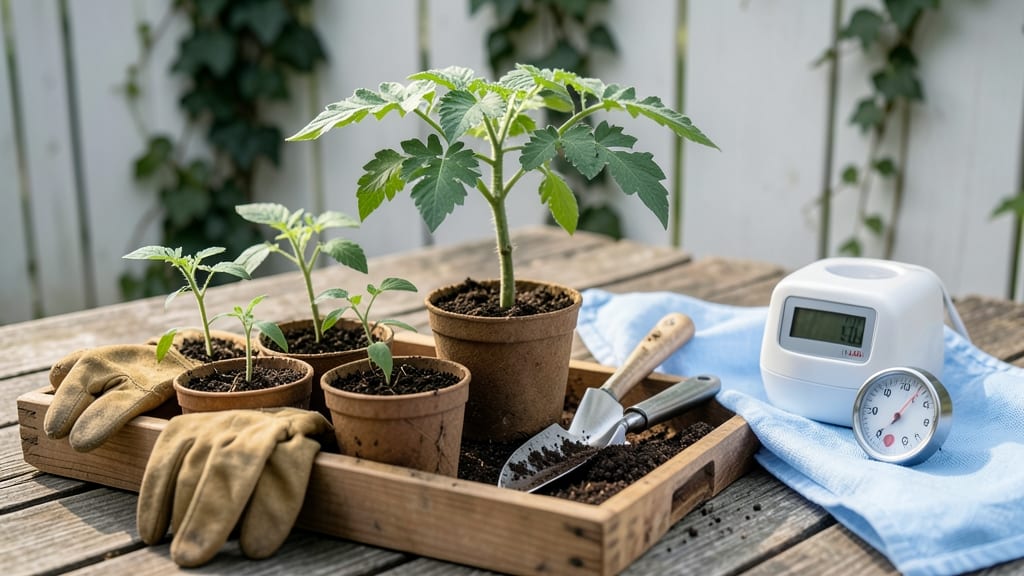
Planting tomato seeds in Massachusetts at the right time ensures a bountiful harvest—get the timing wrong, and frost or heat can ruin your plants before they even fruit.
If you’ve ever watched your 🍅 seedlings wilt after a late frost or struggled with stunted growth from planting too early, you know how critical the schedule is. Massachusetts’ USDA zones 5b-7a mean frost can linger until mid-April, but rushing seeds indoors too soon leads to leggy, weak plants.
This guide breaks down the exact indoor and outdoor planting windows for your region, from starting seeds 6-8 weeks before last frost to transplanting hardened-off seedlings after soil warms to 60°F.
You’ll learn how to adjust for cool springs, avoid common mistakes like overwatering or poor lighting, and even use a frost-free date calculator to pinpoint the perfect time for your county.
Massachusetts frost-free dates by zone: exact tomato seed planting windows
Massachusetts spans USDA zones 5b-7a, meaning frost-free dates vary dramatically from the cooler Berkshires to the warmer Cape Cod region. Getting your tomato seeds in the ground at the right time—whether starting indoors or outdoors—is critical to avoid late spring frosts that can kill tender seedlings.
The average last frost date ranges from April 15 in southern MA to May 10 in northern regions, but microclimates can shift these windows by weeks.
For early varieties like 'Stupice' or 'Early Girl', you’ll want to start seeds indoors 6-8 weeks before your last frost—that’s around late February to early March for most of the state. Mid-season varieties like 'Better Boy' need 75-80 days to mature, so timing is even tighter.
Meanwhile, late-season varieties like 'Brandywine' can handle shorter seasons but still need precise planting to avoid frost damage.
Here’s the breakdown by USDA zone and county, including exact indoor start dates and outdoor transplant windows to maximize your harvest:
If you’re growing heirloom varieties like 'Cherokee Purple' or 'Black Krim', which take 80-90 days to mature, focus on zone 6b or 7a for the best success.
These areas give you a 165-180 day growing season, enough time to enjoy a full harvest before the first frost hits in mid-October. For zones 5b and 6a, stick to determinate varieties like 'Roma' or 'Celebrity', which produce fruit faster and are less sensitive to cooler temps.
Pro tip: Use frost-protective measures like row covers or cold frames if you’re transplanting early. Even in zone 7a, a late frost can sneak in—especially in valley areas where cold air pools.
Monitor your local National Weather Service alerts or use a soil thermometer to confirm the ground has warmed to 60°F before planting outdoors.
For direct-sowing outdoors (skipping the indoor start), wait until after May 1 in most zones to avoid frost damage. This method works best for fast-maturing varieties like 'Sungold' or 'Patio', which can tolerate cooler soil temps.
However, direct-sowing often results in smaller yields because seedlings struggle to compete with weeds and pests when started late.
One common mistake I see is planting too early in hopes of a longer harvest. But cold soil slows germination, and frost-sensitive seedlings won’t survive. Another pitfall? Ignoring microclimates—a south-facing slope in zone 6a might be 2-3 weeks warmer than a north-facing garden.
Use these frost-free date guidelines as a starting point, then adjust based on your specific location’s history.
To track your progress, mark your last frost date on a calendar and count backward for indoor seed starting. For example, if your last frost is April 25 (zone 6a), start seeds by March 15 for a 75-day variety.
Use a seedling heat mat if your home stays below 65°F at night, as cool temps can cause leggy, weak seedlings.
Finally, keep an eye on tomato blight risks in Massachusetts. The humid summers make early blight (caused by Alternaria solani) a common issue. To mitigate this, avoid planting tomatoes in the same spot every year and choose disease-resistant varieties like
Indoor vs outdoor planting: Step-by-Step Massachusetts tomato seed schedule
Massachusetts gardeners face a tricky balance when planting tomato seeds. The last frost date typically arrives around April 15, but cool springs or early frosts can push this back.
Starting seeds indoors 4-6 weeks before your local last frost gives seedlings a head start, while direct-sowing outdoors works for heat-loving varieties in warmer zones. Let’s break down the exact steps to maximize your harvest.
For most of Massachusetts (USDA zones 5b-7a), the ideal window to start tomato seeds indoors is between March 15 and April 1. This timing ensures seedlings are 4-6 weeks old by the last frost, ready to transplant when soil temps hit 60°F.
If you’re in Western MA (warmer zones), you might push this to April 1-15 for earlier planting. Always check your local frost-free date to adjust.
- 📅 Step 1: Start Indoors (4-6 Weeks Before Last Frost)
For most of MA, this means March 15-April 1. Use seed trays with well-draining soil and keep temps at 70-75°F for germination. - 🌱 Step 2: Provide 12+ Hours of Light Daily
Use a grow light if natural light is insufficient. Seedlings need bright, direct light to prevent leggy growth. - 💧 Step 3: Water Gently from Below
Keep soil moist but not soggy. Water at the base to avoid fungal diseases like damping-off. - 🌡️ Step 4: Harden Off Seedlings (1 Week Before Transplant)
Gradually expose seedlings to outdoor conditions for 2-3 hours daily, increasing time each day. - 🌿 Step 5: Transplant After Last Frost (Soil ≥60°F)
Bury seedlings deeper than usual to stabilize stems (tomato stems can root!). Space 18-24 inches apart for large varieties. - ☀️ Step 6: Direct-Sow Outdoors (For Heat-Loving Varieties)
Plant after May 1 in warmer zones (Western MA). Use black plastic mulch to warm soil faster.
If your spring is cooler than average, delay indoor starts until late March to avoid overcrowded seedlings or weak stems. For direct-sowing outdoors, wait until soil temps are consistently above 60°F, usually late May in colder zones like Northern MA.
Varieties like 'Early Girl' or 'Stupice' tolerate cooler soils better than 'Beefsteak' types.
Transplanting too early is a common mistake in Massachusetts. Seedlings shocked by cold nights or wind may struggle to recover. Always check a 7-day forecast before transplanting—hold off if temperatures dip below 50°F at night. Use row covers or cloches for extra protection if needed.
For container gardening, start seeds indoors 2 weeks earlier (by March 1) since pots warm up slower. Use 5-gallon containers for full-sized tomatoes, and place them in full sun spots like patios or balconies. Dwarf varieties like 'Tiny Tim' can even thrive in 3-gallon pots.
Adjust your schedule based on microclimates. Coastal areas (like Cape Cod) may have earlier last frosts, while inland zones (like Pittsfield) often see later springs. Always monitor your local weather station or Massachusetts Extension Service updates for real-time adjustments.