
Plants
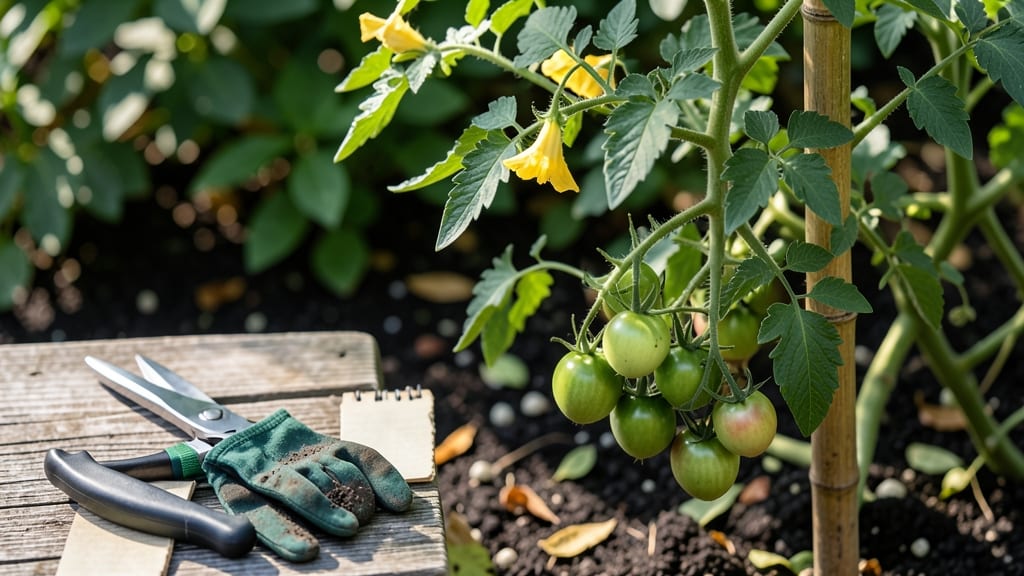
Topping tomato plants at the right time—just before flowering—can double your harvest and turn small, underdeveloped fruit into heirloom-sized beauties 🍅.
Here’s the catch: Do it too early, and you stunt growth. Too late, and you sacrifice yield. Most gardeners miss the 3-4 week window after transplanting, when plants are still in their vegetative phase but haven’t yet set flowers.
That’s when pinching the terminal bud redirects energy to side shoots—and more tomatoes.
Whether you’re in USDA Zone 6a or a warmer climate, timing depends on your plant type. Indeterminate varieties (the vining kinds) need regular topping, while determinate (bush) tomatoes rarely do.
I’ll walk you through the exact cues to watch for—like flower clusters and leaf growth—and how to do it without stressing your plants.
By the end, you’ll know exactly when to pinch, how deep to cut, and why skipping this step might leave you with a bushy plant but tiny fruit. No guesswork, just bigger harvests.
The perfect time to top tomato plants for maximum fruit size
Topping tomato plants—pinching off the terminal bud—is one of the simplest ways to boost fruit size and plant health. But timing matters more than you might think. The biological window for topping is during the vegetative growth phase, before flowering begins.
This ensures your plant focuses energy on building a sturdy framework rather than producing fruit too early.
Why does timing matter? If you top too late, your plant may already be directing energy to flowers and fruit, stressing it. If you top too early, it won’t have enough foliage to support future growth.
The key is recognizing the right growth stage while also considering your local climate conditions—like temperature and rainfall.
Tomato varieties also play a huge role. Indeterminate tomatoes (like 'Sungold' or 'Beefsteak') grow continuously and benefit from regular topping. Determinate varieties (like 'Roma' or 'Celebrity') stop growing at a set height and rarely need topping. Knowing which type you’re growing helps you decide whether—and when—to pinch.
Here’s the golden rule: Top when your plant has 4-6 main stems and is at least 18-24 inches tall. Look for a healthy terminal bud (the topmost growth point) and no visible flower clusters. This is your cue to act before the plant shifts focus to fruiting.
Weather conditions also influence the best time to top. In hot climates, pinch back slightly earlier to help plants conserve moisture. In cooler regions, you can top a bit later since growth slows naturally.
Always avoid topping during extreme heat or rainy periods, as this stresses plants and invites disease.
One common mistake is waiting until flowers appear. By then, your plant’s energy is already shifting toward fruiting, making topping less effective. Instead, focus on the terminal bud—the small growth point at the very top of your plant.
This is where you’ll make your pinch. Use clean, sharp pruning shears or your fingers to remove it cleanly.
After topping, your plant will redirect energy to the lower leaf axils, encouraging bushier growth. Within 7-10 days, you’ll see new shoots forming. These are your suckers, which you can manage by pinching them off regularly.
This practice ensures your plant stays balanced and produces larger, healthier fruit.
For container-grown tomatoes, topping is even more critical since space is limited. Pinch back more aggressively to encourage a compact, productive shape. In ground gardens, you can be slightly more lenient, but consistency is key. The goal is to maximize sunlight exposure and air circulation around the plant.
Remember, topping isn’t just about fruit size—it’s also about plant longevity. Well-topped tomato plants produce fruit over a longer harvest window, giving you more time to enjoy fresh, homegrown tomatoes. Start early, stay consistent, and watch your plants thrive!
Step-by-step guide to properly topping tomato plants
Topping tomato plants is a simple yet powerful technique to boost fruit size and plant health. By pinching off the terminal bud (the topmost growth point), you encourage the plant to focus energy on side shoots and fruit production instead of vertical growth.
This method works best for indeterminate varieties, which keep growing until frost, but can also help determinate types in crowded gardens.
Before you begin, gather your tools: clean pruning shears or sharp scissors (for larger stems) and gardening gloves to protect your hands. Avoid using your fingers to pinch—it can spread disease.
The key is timing: perform this task early in the morning when the plant is hydrated and the air is cool, reducing stress on the plant.
How to Top Tomato Plants: Step-by-Step
- Step 1: Identify the Terminal Bud Locate the topmost growing point (terminal bud) on your tomato plant. This is where new leaves and stems emerge.
- Step 2: Find the Leaf Axil Look just below the terminal bud for a small notch where a leaf meets the stem (the leaf axil). This is where new side shoots will grow.
- Step 3: Pinch Above the Leaf Axil Using your thumb and forefinger, pinch off the terminal bud just above the leaf axil. For thicker stems, use clean pruning shears to make a precise cut.
- Step 4: Avoid Damaging the Main Stem Never pinch or cut the main stem itself. Focus only on the terminal bud to encourage lateral growth and fruit production.
- Step 5: Repeat Weekly Check your plant once a week and repeat the process until early summer or when flowers appear. Stop topping once fruit sets to avoid stressing the plant.
- Step 6: Post-Topping Care After topping, water deeply and fertilize lightly with a balanced fertilizer (10-10-10) to support new growth. Avoid overwatering, which can cause disease.
After topping, monitor your plant closely for signs of stress, like yellowing leaves or drooping. If you notice these, reduce watering slightly and ensure the plant gets full sun (6-8 hours daily).
Indeterminate varieties may produce larger fruit and a bushier structure, while determinate types will benefit from better airflow and reduced disease risk.
One common mistake is topping too late in the season, which can stunt fruit production. Stop topping 4-6 weeks before your first frost to allow existing flowers and fruit to mature.
For container-grown tomatoes, be extra cautious—small pots limit root space, so pruning too aggressively can stress the plant further.
With practice, you’ll find the perfect balance between pruning for yield and letting the plant thrive naturally. Happy gardening, and enjoy those juicy, vine-ripened tomatoes! 🍅