
Pests and Diseases
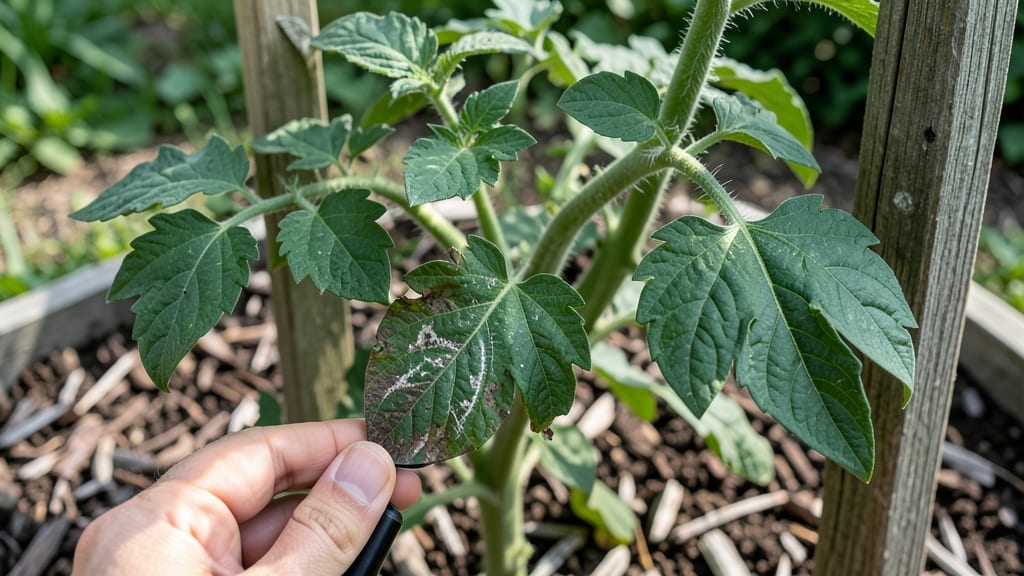
White lines on tomato leaves are your plant’s silent SOS—often a sign of spider mites, fungal infections, or even environmental stress. 🌱 I’ve seen these telltale streaks turn a thriving vine into a struggling mess, but the good news?
Most causes have organic fixes that work fast. Start by examining the undersides of leaves for tiny webs or speckled damage—those are classic spider mite red flags. If the lines look powdery, it might be powdery mildew, while crispy edges suggest environmental stress.
The key is acting fast: isolate affected plants, spray with neem oil or insecticidal soap, and boost airflow around your tomatoes.
Within a week, your plants should bounce back with proper care—just keep an eye out for new symptoms. The secret? Prevention: water at the base, avoid overhead sprinklers, and rotate crops yearly. Trust me, catching this early saves your harvest.
📚 In This Guide
- What you need
- Instructions
- Tips and common mistakes
- Wrapping up and next steps
What you need
- ● Hand lens or magnifying glass (10x magnification) – To inspect leaf details up close.
- ● Notebook & pen – For logging symptoms, dates, and treatment progress.
- ○ Digital camera (optional but helpful) – To capture close-ups of symptoms for later reference.
- ● pH test kit (soil & water) – To check if nutrient imbalances might be contributing.
- ● Neem oil (100% pure, cold-pressed) – 1–2 tbsp per gallon of water (for spraying).
- ● Baking soda – 1 tbsp per gallon of water + a few drops of dish soap (for fungal issues).
- ○ Copper fungicide (optional, organic-certified) – Follow label instructions for dilution.
- ● Beneficial bacteria (e.g., Bacillus subtilis) – 1 packet per gallon of water (prevents secondary infections).
- ● Compost or worm castings – 1–2 cups per plant (boosts soil health).
- ● Spray bottle (16–32 oz) – For targeted leaf treatments.
- ● Garden hose with adjustable nozzle – For rinsing plants (avoid high pressure).
- ● Pruning shears (sterilized) – To remove severely infected leaves.
- ● Gloves (nitrile or rubber) – Protects hands from oils and sap.
- ● Work on a cloudy day or early morning to avoid burning leaves with treatments.
- ● Test a small leaf first with any homemade remedy to check for sensitivity.
- ● Ensure your garden has good airflow (prune nearby plants if needed).
- ● Check local regulations if using any commercial fungicides.
How to identify and treat white lines on tomato leaves
Here’s the straightforward approach I use to diagnose and fix this common tomato problem.
🌿 Step 1: Confirm the Problem Isn’t Environmental
White lines on tomato leaves often start with a misdiagnosis. First, rule out harmless causes like calcium deficiency (white edges) or powdery mildew (white powder, not lines). Run your fingers gently over the lines—if they’re raised and look like tiny veins, it’s likely tomato mosaic virus (ToMV) or tobacco mosaic virus (TMV).
Check the undersides of leaves too. If you see yellowing between veins or stunted growth, those are classic virus symptoms. I’ve seen gardeners waste time treating mildew when the real issue was a virus—don’t make that mistake.
🔍 Step 2: Isolate and Identify the Source
Viral diseases spread through contaminated tools, infected seeds, or sap-sucking insects like aphids. Immediately remove and destroy any visibly infected plants (don’t compost them—burn or bag them). Check nearby weeds and volunteer tomato plants—they’re often silent carriers.
I keep a disinfectant spray (1 part bleach to 9 parts water) handy to wipe down pruners and hands after handling plants. Even a tiny bit of infected sap can spread the virus to healthy leaves.
✂️ Step 3: Prune Strategically to Limit Spread
For mild cases, prune away only the severely infected leaves (those with crispy edges or distorted shapes). Use sterilized pruners and dip them in rubbing alcohol between cuts. Never prune when leaves are wet—this speeds virus transmission.
Watch for new growth on the main stem. If it appears healthy, the plant might recover enough to produce fruit. I’ve seen tomatoes with virus damage still yield small but edible harvests—don’t give up too soon.
🌱 Step 4: Boost Plant Resilience Organically
Virus-infected plants won’t recover completely, but you can support their defenses. Apply a compost tea (1:1 ratio) every 7-10 days to strengthen roots and improve nutrient uptake. I mix it with fish emulsion (1 tbsp per gallon) for extra protein to help the plant fight stress.
Keep soil moist but not soggy—stressed plants are more vulnerable. If your tomatoes are in containers, repot into fresh, sterile mix to cut off any soil-borne virus vectors.
🚨 Step 5: Prevent Future Outbreaks
Next season, start with certified disease-free seeds or transplants. Avoid planting tomatoes in the same spot for 3-4 years—viruses linger in soil. I rotate my tomatoes with beans or brassicas to break the cycle.
Install yellow sticky traps near plants to monitor aphids and whiteflies, which spread viruses. If you see more than 2 insects per trap per week, treat with neem oil spray (1 tsp per quart of water) to disrupt their life cycle.
Tips & tricks for handling white lines on tomato leaves
Real talk: Misdiagnosing white lines on tomato leaves can waste weeks of garden time. Here’s how to turn this into a learning opportunity—and actually fix the problem.
Visual Diagnosis Tip: When you see those white lines in Step 1, don’t just look at the top of the leaf—always check the underside for yellowing between veins. That’s where the real clues hide. I’ve caught early infections by noticing these subtle signs before the lines even appeared on top. The contrast between healthy green and infected yellow is your best early warning system.
Pruning Precision: In Step 3, when you’re removing infected leaves, focus on the most severely damaged ones first. Look for crispy edges or leaves that feel brittle to the touch—those are the biggest virus spreaders. I’ve seen gardeners over-prune and accidentally stress healthy plants by removing too much foliage. Remember: You’re not trying to cure the plant, just slow the spread while it fights back.
Organic Defense Boost: The compost tea in Step 4 doesn’t just feed the roots—it strengthens the plant’s immune system. When mixing your 1:1 ratio, let it sit for 24 hours before using. The fermentation process creates beneficial microbes that help the plant resist stress. I add a splash of molasses (1 tsp per gallon) to feed the good bacteria even more—it’s the secret ingredient nobody tells you about.
Prevention Mindset: The real game-changer is Step 5’s rotation strategy. I keep a garden journal noting where I planted tomatoes each year, and I’ve never had a repeat infection since implementing the 3-4 year rule. Pair that with your sticky traps, and you’ve created a virus-proof zone. Think of it like crop insurance for your tomatoes.
Pro Tips for White Lines On Tomato Leaves
- Real talk: Misdiagnosing white lines on tomato leaves can waste weeks of garden time.
- Visual Diagnosis Tip: When you see those white lines in Step 1, don’t just look at the top of the leaf—always check the underside for yellowing between veins.
- Pruning Precision: In Step 3, when you’re removing infected leaves, focus on the most severely damaged ones first.
Frequently asked questions
Got questions about those pesky white lines on tomato leaves? You’re not alone! Here are some of the most common concerns—and clear, actionable answers to help you save your plants.
What causes white lines on tomato leaves?
Most often, these lines are caused by Tomato Mosaic Virus (ToMV) or Tomato Spotted Wilt Virus (TSWV), spread by infected seeds, sap-sucking insects (like aphids), or contaminated tools. Fungal infections like powdery mildew can also mimic this symptom but usually appear as fuzzy white patches instead of distinct lines.
Can I still harvest tomatoes if the leaves have white lines?
Yes, but with caution! The virus itself doesn’t make tomatoes unsafe to eat, but avoid harvesting from infected plants if possible. If you must pick, wash fruits thoroughly and sterilize pruning tools afterward to prevent spreading the virus to other plants. Discard heavily infected leaves to reduce further contamination.
How long does it take for white lines to spread to other tomato plants?
Viral spread depends on the pathogen and conditions, but ToMV can appear in new leaves within 2–4 weeks if not controlled. _TSWV_ spreads faster, often showing symptoms in 1–2 weeks via thrips (tiny insects). Act fast! Remove infected plants immediately and inspect nearby crops for early signs like stunted growth or yellowing.
Are there organic sprays to prevent white lines on tomato leaves?
While no spray cures viral infections, you can reduce spread with these organic tactics:
- Neem oil spray (1 tsp neem oil + 1 tsp mild soap per quart of water) to deter aphids/thrips.
- Garlic or chili pepper spray (blend 1 garlic bulb + 1 tbsp cayenne in water) as a natural repellent.
- Reflective mulch (aluminum foil or silver plastic) to confuse thrips.
For fungal mimics (like powdery mildew), try a baking soda spray (1 tbsp baking soda + 1 tsp oil + 1 gallon water).
What should I do if my entire tomato plant has white lines?
Unfortunately, infected plants are usually a lost cause—viruses can’t be cured. Remove the plant entirely (roots and all) and disinfect the soil with a 10% bleach solution (1 part bleach to 9 parts water) to kill lingering pathogens. Rotate crops next season and avoid planting tomatoes, peppers, or eggplants in the same spot for at least 3 years.
Pro Tip:
Prevention is key! Start with certified disease-free seeds, sterilize tools between plants, and inspect new plants for 2 weeks in quarantine before adding them to your garden.
Wrapping up and next steps
Don’t let those white lines on tomato leaves stress you out—you’ve got the knowledge to tackle this challenge like a pro! 🌱 Whether it’s Tobacco Mosaic Virus, Powdery Mildew, or another culprit, early action with organic remedies can save your harvest.
Stay vigilant, keep your garden healthy, and enjoy those juicy tomatoes without the worry.
Next up? Put your plan into action! Grab your supplies, inspect your plants regularly, and share your success (or ask for help) in gardening communities. Happy growing! 🌿