
Plants
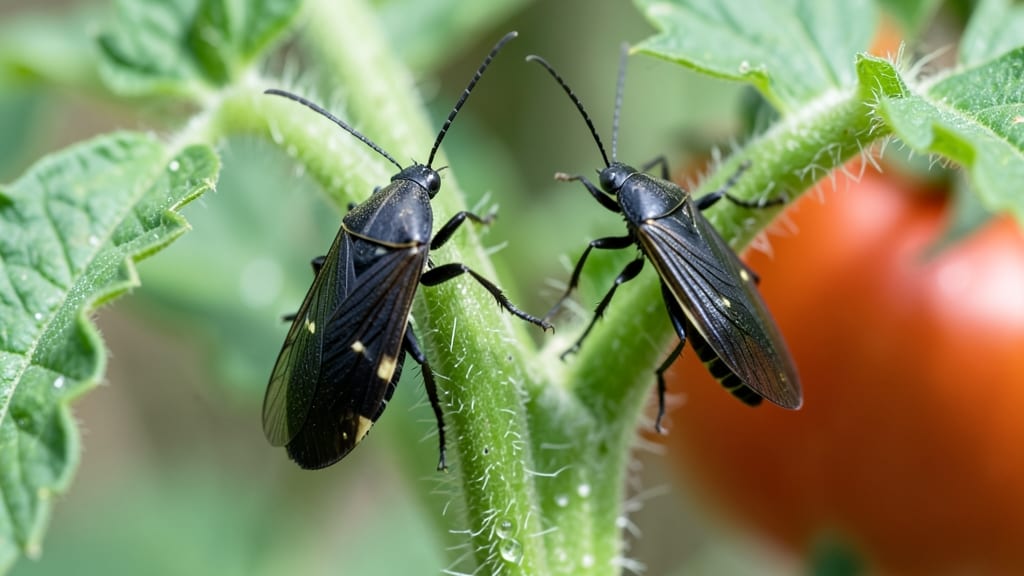
Those tiny winged black bugs on your tomato plants are likely stink bugs or hornworms—both can strip leaves in 24 hours if left unchecked. 🌱 I’ve battled them for years, and the key is acting fast before they turn your plants into skeleton leaves.
The moment you spot them, you’ve already lost some foliage, but immediate action can save your harvest.
Stink bugs hide under leaves and leave jagged holes, while hornworms (with their distinctive white stripes) munch entire leaves overnight. Both multiply fast, so check your plants every morning—especially after rain, when they’re most active. The damage isn’t just cosmetic; severe infestations stunt growth and reduce fruit production.
You can eliminate them naturally by handpicking (drop them in soapy water) or using row covers to block adults. For stubborn cases, neem oil or insecticidal soap works within 48 hours without harming pollinators.
The goal isn’t just to kill them—it’s to break their life cycle before they return next season.
Prevention starts with healthy plants: rotate crops, remove debris, and attract beneficial predators like ladybugs. If you’ve already lost leaves, focus on protecting new growth—your tomatoes can recover with the right care. Let’s get those pests under control before they ruin your harvest.
Root Causes of Black Winged Invaders
Those sleek, black, winged bugs lurking on your tomato plants aren’t just a random nuisance—they’re often ladybugs, stink bugs, or even lacewings, each drawn to your garden for a specific reason.
Understanding why they show up helps you disrupt their cycle before they feast on your harvest. Below, we break down the key triggers and their scientific logic.
Tomatoes are a buffet for many winged pests, especially when they’re ripe or injured. Stink bugs, for example, use their piercing-sucking mouthparts to drain seeds and gel from overripe fruit—rich in sugars and nutrients.
Meanwhile, ladybugs (yes, even the "good" ones) may swarm if your tomatoes are fermenting or splitting from excess water.
- Why it happens: Ethylene gas (released by ripening tomatoes) signals pests that food is ready. Damaged fruit also emits volatile organic compounds (VOCs) that act like a dinner bell.
- Actionable fix:
- Harvest tomatoes as soon as they’re color-breaker stage (when they start turning pink/red).
- Remove any bruised, cracked, or fallen fruit immediately—they’re pest magnets.
- Use row covers if bugs appear early in the season.
Tomato plants with thick, unpruned leaves offer perfect shelter for winged bugs. Stink bugs, in particular, love to hide in the undersides of leaves during the day and emerge at dusk to feed. Lacewings also thrive in shaded, humid microclimates created by overgrown plants.
- Why it happens: Dense foliage:
- Reduces airflow, increasing humidity (ideal for egg-laying).
- Blocks natural predators like birds and spiders.
- Provides camouflage, making it harder for you to spot them.
- Actionable fix:
- Prune aggressively—remove suckers and lower leaves to improve airflow.
- Space plants 18–24 inches apart to reduce hiding spots.
- Train vines upward with cages or trellises to lift foliage away from soil-borne pests.
Temperature plays a huge role in the life cycle of winged tomato pests. Stink bugs, for instance, require consistent warmth (above 70°F) to mature and reproduce. Meanwhile, ladybugs and lacewings time their migrations with spring/summer heat waves to coincide with peak tomato growth.
| Bug Type | Optimal Temp for Activity | Breeding Peak |
|---|---|---|
| Stink Bugs | 75–90°F | Late summer (July–August) |
| Lacewings | 60–85°F | Spring & early summer |
| Ladybugs (adults) | 55–80°F | Spring (seeking food for larvae) |
Why it happens: Heat accelerates their metabolism, leading to faster reproduction. A sudden temperature shift (like a hot spell after cool weather) can also disrupt their natural predators, giving them an advantage.
Actionable fix:
- Monitor degree-day models (track cumulative heat units) to predict outbreaks.
- Use shade cloth (30–50%) during peak heat to deter stink bugs.
- Plant early-season tomatoes (like ‘Stupice’ or ‘Mountain Merit’) to avoid summer surges.
Many winged bugs don’t just target tomatoes—they thrive on weeds and wild plants that act as alternate hosts. For example, stink bugs love purslane, lambsquarters, and even dandelions, while lacewings lay eggs on aphid-infested weeds.
- Why it happens:
- Weeds provide continuous food sources, delaying migration to your tomatoes.
- Some plants (like nightshade) are genetically related to tomatoes, making them easy targets.
- Overgrown areas create microhabitats with high humidity and shelter.
- Actionable fix:
- Clear a 5-foot radius around tomato plants of weeds and debris.
- Mulch with straw or wood chips to suppress weed growth.
- Avoid planting tomatoes near eggplants, peppers, or potatoes (all nightshades).
💡 Pro Tip: If you spot winged bugs before they damage fruit, they’re likely scouts—not the main army. Act fast to cut off their food/water sources, and you’ll starve out the infestation before it explodes.
Quick Fixes for Winged Invaders
Discovering winged black bugs—likely Lygus bugs or stink bugs—feasting on your tomato plants can feel like a garden disaster. But don’t panic! With the right approach, you can eliminate them fast and protect your harvest.
Below, we map out targeted solutions based on the most common causes, from physical removal to organic sprays, plus prevention tips to keep them away for good.
For small infestations, your hands (or a tool) are your best weapon. These bugs are slow-moving when they’re feeding—perfect for quick action!
- 👨🍳 Morning Patrols: Check plants early in the day (before they fly away). Use a magnifying glass to spot them on undersides of leaves or flower buds.
- 🔪 Drown or Drop: Place a bucket of soapy water nearby. Drop bugs directly into it (soapy water kills them instantly) or crush them into a sealed jar.
- 🌿 Yellow Sticky Traps: Hang yellow sticky cards near plants. These bugs are attracted to yellow and will get stuck—check traps daily.
Pro Tip: 💡 Focus on flower buds and new growth—these are their favorite snack spots!
If the infestation spreads, organic sprays can disrupt their life cycle without harming your tomatoes or beneficial insects.
🔥 Neem Oil Spray (Disrupts Feeding & Eggs)
Neem oil is a natural insect growth regulator that stops bugs from molting and lays eggs.
- 📊 Mix: 1 tbsp neem oil + 1 tsp mild soap (like Castile) + 1 quart water.
- 👨🍳 Spray: Coat both sides of leaves and stems evenly at dusk (avoids harming bees).
- ⏰ Reapply: Every 5–7 days or after rain.
🥘 Diatomaceous Earth (DE) Dust (Physical Barrier)
Food-grade DE is a non-toxic powder that dehydrates bugs on contact. Best for dry, calm conditions.
- 📊 Apply: Lightly dust leaf undersides and soil around plants (avoid over-applying—it can harm soil microbes).
- 🌡️ Timing: Use on dry, sunny days (DE loses effectiveness when wet).
- ✨ Reapply: After watering or rain.
🔪 Insecticidal Soap (Fast Knockdown)
Made from potassium salts of fatty acids, this soap suffocates bugs on contact. Works best on small nymphs and adults.
- 📊 Mix: 1.5 tbsp insecticidal soap + 1 quart water.
- 👨🍳 Spray: Directly on bugs (avoid flowering tomatoes if bees are active).
- ⏰ Reapply: Every 2–3 days until pests are gone.
Pro Tip: 🌿 Rotate methods to prevent resistance—don’t rely on just one spray!
Stopping bugs at the source saves time and stress. Try these proactive strategies to make your garden less appealing:
- 🌡️ Mulch Heavily: Use straw or grass clippings around tomato plants. Mulch disrupts their movement and hides eggs.
- 🎯 Companion Planting: Interplant tomatoes with basil, marigolds, or nasturtiums. These repel pests with strong scents.
- 🌿 Row Covers: Use fine mesh fabric over young plants to block adults from laying eggs (remove when flowers appear to allow pollination).
- 💪 Healthy Soil = Strong Plants: Balanced fertilizer (high in nitrogen early, then potassium/phosphorus) makes tomatoes less vulnerable to damage.
- 🌱 Clean Up Debris: Remove fallen leaves and weeds where bugs hide overwinter.
Pro Tip: 🔥 Prune aggressively—thick foliage gives bugs more hiding spots!
If bugs persist after 2 weeks of treatment, consider beneficial predators or chemical controls as a last resort:
- 🐞 Ladybugs or lacewings: Release these natural predators to eat nymphs.
- 🔪 Pyrethrin spray: A fast-acting (but bee-killing) option for severe infestations. Use only at dusk.
With these steps, you’ll regain control of your tomato plants in no time. Stay vigilant, and your harvest will thank you!
Frequently asked questions
Are winged black bugs on tomato plants always harmful?
Not all are harmful! While stink bugs and Lygus bugs damage plants, some like lacewings or adult ladybugs are actually beneficial predators. Check for damage first: harmful bugs leave jagged holes in leaves or pierce fruit, while beneficial ones don't cause visible harm.
How do I tell the difference between stink bugs and hornworms?
Stink bugs are flat, shield-shaped with wing covers that fold over their backs, while hornworms are large, green caterpillars with white diagonal stripes and no wings. Stink bugs hide under leaves, but hornworms blend into foliage—look closely for their distinctive markings!
Will neem oil kill beneficial insects too?
Neem oil targets soft-bodied insects like stink bugs but is generally safe for bees and ladybugs if applied at dusk when pollinators are inactive. Always test on a small area first and avoid spraying flowers directly to protect pollinators.
Why do I keep seeing new bugs after treatment?
New bugs likely came from undisturbed eggs or nearby weeds acting as hosts. Check leaf undersides for egg clusters and remove all plant debris within a 5-foot radius of your tomatoes. Repeat treatments every 5-7 days to break their life cycle.