
Companion Plants
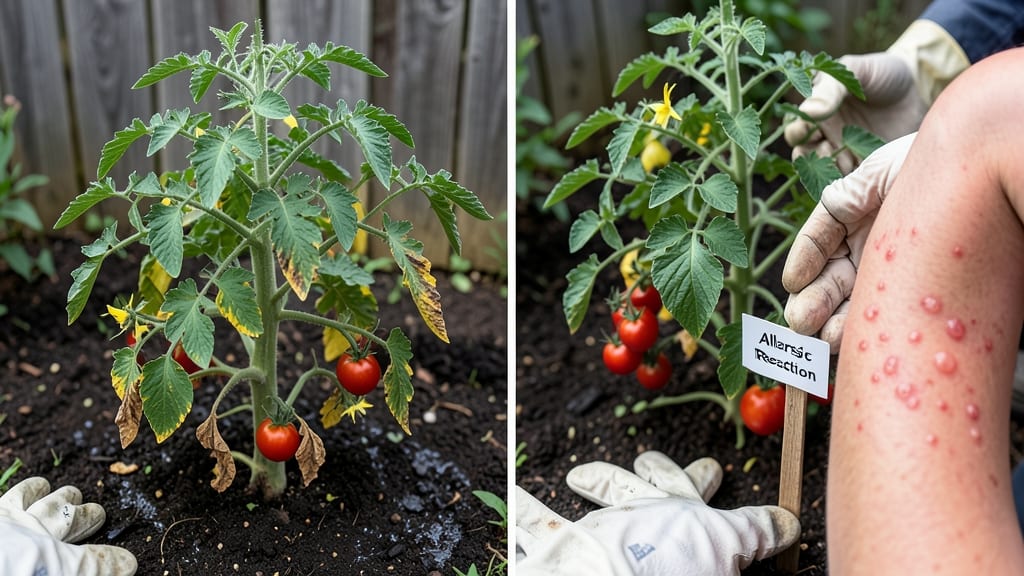
Being allergic to tomato plants causes reactions like skin irritation, sneezing, or watery eyes when exposed to proteins in their sap, pollen, or leaves. These allergies frequently affect other nightshade plants like potatoes, peppers, or eggplants, so handling them requires extra caution.
Tomato plant allergies stem from proteins like Solanin or chitinases found in the Solanaceae family, which includes many garden staples. 🌱 Even touching leaves or inhaling pollen can trigger symptoms, and some people experience cross-reactions with foods like tomatoes, potatoes, or peppers.
If you're gardening, wearing gloves and avoiding direct contact with plant parts helps reduce exposure risks.
For those who still want to grow tomatoes, opting for low-allergen varieties or using organic growing methods may minimize reactions. Always wash hands thoroughly after handling plants, and consider keeping tomatoes in a separate garden section if you're highly sensitive.
The key is balancing your love for gardening with safe practices to enjoy your harvest without flare-ups.
💡 In This Article
- Tomato Plant Allergy Triggers and Nightshade Cross-Reactions
- Safely Gardening With Tomato Allergies: Prevention Tips
Tomato plant allergy triggers and nightshade cross-reactions
The allergic response to tomato plants (Solanum lycopersicum) stems primarily from proteins like Solanin and chitinases, which are naturally occurring in the Solanaceae family. These compounds serve as defense mechanisms for the plant against pests and pathogens.
When you come into contact with tomato leaves, stems, or pollen, your immune system may mistakenly identify these proteins as harmful invaders, triggering an allergic reaction. The severity can vary—some people experience mild irritation, while others face more severe symptoms like swelling or respiratory distress.
What makes this allergy particularly tricky is the cross-reactivity within the nightshade family. For example, proteins in tomato plants share structural similarities with those in potatoes, peppers, or eggplants, meaning exposure to one can heighten sensitivity to others.
Studies show that up to 60% of individuals allergic to tomato plants also react to at least one other nightshade.
Even cooking or processing these foods doesn’t always eliminate the risk, as heat-stable proteins can persist. 🌿 The key is recognizing that the allergy isn’t just about eating tomatoes—it’s about the broader family of plants.
Pollen from tomato plants is another major trigger, especially during flowering season. The tiny, yellow pollen grains contain concentrated allergenic proteins that can drift on the breeze, causing symptoms in nearby gardeners or even indoor growers.
Unlike food allergies, which are often delayed, pollen exposure can lead to immediate reactions like sneezing or itchy eyes. This is why gardeners with tomato allergies often report flare-ups during peak blooming periods, typically in late spring to early summer.
Understanding the science behind these reactions helps explain why some people can handle cooked tomatoes but react to raw leaves. Heat can denature certain proteins, reducing their allergenic potential, but others remain intact.
For instance, Solanin levels actually increase when tomatoes are exposed to light or bruised, making green tomatoes or damaged fruit more likely to trigger reactions. This is why gardeners should handle unripe tomatoes with extra caution.
Cross-reactions extend beyond plants to processed foods as well. For example, tomato-based products like sauces or ketchups may contain trace amounts of plant proteins that could provoke symptoms. Even tomato-derived ingredients in medications or cosmetics can be problematic.
The takeaway? If you’re allergic to tomato plants, it’s wise to scrutinize labels for hidden nightshade ingredients and consider carrying an epinephrine auto-injector if reactions are severe.
Interestingly, some varieties of tomato plants may be less allergenic than others. Breeders have developed hybrids with lower Solanin content, which could be a safer option for sensitive individuals.
However, individual reactions vary widely, so what works for one person might not for another. Always patch-test new varieties before full exposure to gauge your tolerance.
For those who love gardening but struggle with tomato allergies, the key is minimizing direct contact. Wearing long sleeves, gloves, and a mask when handling plants can drastically reduce exposure.
Additionally, keeping tomato plants well-watered and healthy may lower their natural production of defensive proteins like Solanin, making them slightly less allergenic overall. 🌱