
How To
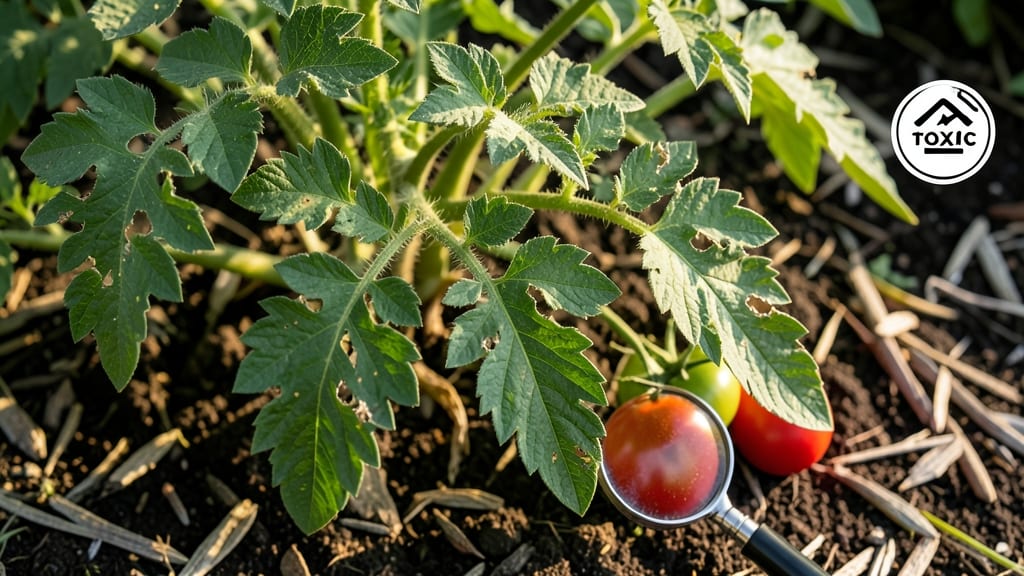
Yes, tomato leaves are toxic to pets and humans because they contain solanine and tomatine, which can trigger nausea, vomiting, or neurological issues when consumed in large amounts. Never use them as mulch for edible gardens or feed them to animals.
Tomato leaves contain higher concentrations of these compounds than the fruit itself, making them especially dangerous. 🌿 While ripe tomatoes are safe to eat, the green parts—including stems and unripe fruit—are where solanine and tomatine accumulate.
Pets like dogs and cats are particularly vulnerable due to their smaller size, so it's crucial to monitor them around tomato plants. Even small amounts can cause digestive upset, while larger ingestions may lead to more serious symptoms like weakness or tremors.
If you're growing tomatoes at home, consider removing leaves regularly to reduce risks. For accidental exposure, contact your vet or poison control immediately. The good news? Proper disposal—like sealing leaves in a trash bag—keeps your garden and pets safe without complicating your gardening routine.
💡 In This Article
- Toxic Compounds in Tomato Leaves: Solanine and Tomatine Explained
- Safe Disposal Methods for Tomato Plant Waste
Toxic compounds in tomato leaves: solanine and tomatine explained
Tomato leaves contain two key toxic compounds: solanine and tomatine. Solanine is a glycoalkaloid that acts as a natural pesticide, protecting the plant from insects and fungi. It works by disrupting cell membranes in pests, but it also affects mammalian nervous systems when ingested.
Tomatine, found exclusively in tomatoes and their relatives, functions similarly but is even more concentrated in green parts. These compounds are most abundant in stems, leaves, and unripe fruit, with levels up to 10 times higher than in ripe tomatoes.
The toxicity mechanism involves these compounds binding to acetylcholine receptors in nerve cells, which can cause muscle weakness, confusion, or even paralysis.
In pets like dogs, even 0.5% of their body weight in tomato leaves could trigger symptoms, while humans would need to consume roughly 50-100 grams of leaves to experience noticeable effects. For perspective, that's about 1-2 cups of chopped leaves.
The green color of leaves signals high chlorophyll content, which correlates with higher concentrations of these toxins.
Symptoms vary by species and dosage. Dogs often show drooling, vomiting, or diarrhea within hours, while humans may experience nausea, headache, or dizziness. Severe cases can lead to hallucinations or cardiac issues. The key difference between pets and humans?
A 150-pound adult would need to eat an entire pound of leaves to reach dangerous levels, whereas a 20-pound dog might face toxicity after just a handful. This size disparity makes pets far more vulnerable.
Interestingly, cooking doesn't eliminate these toxins—it only reduces them slightly. Boiling tomato leaves for 10 minutes might lower solanine levels by 20-30%, but the remaining amount is still dangerous. The compounds are heat-stable, meaning they persist even after cooking.
This is why accidental poisoning often happens when people use tomato vines as mulch or feed trimmings to livestock, assuming the plant is safe once removed from the fruit.
What makes ripe tomatoes safe despite sharing the same plant? The solanine and tomatine concentrations drop dramatically as the fruit ripens. A ripe tomato contains about 0.001% solanine by weight, while a green leaf can have 0.05-0.1%.
This 50-100x difference explains why gardeners can safely eat tomatoes but must handle leaves with caution. The plant's natural defense system prioritizes protecting its reproductive parts (fruit) over its leaves.
For gardeners, this means vigilance is key. Even a small pile of tomato leaves left on the ground can tempt curious pets or children. The compounds are odorless and tasteless, so there's no warning before ingestion.
Understanding this chemistry helps explain why tomato plants are both a gardener's delight and a potential hazard—nature's way of balancing nutrition with protection.