
Companion Plants
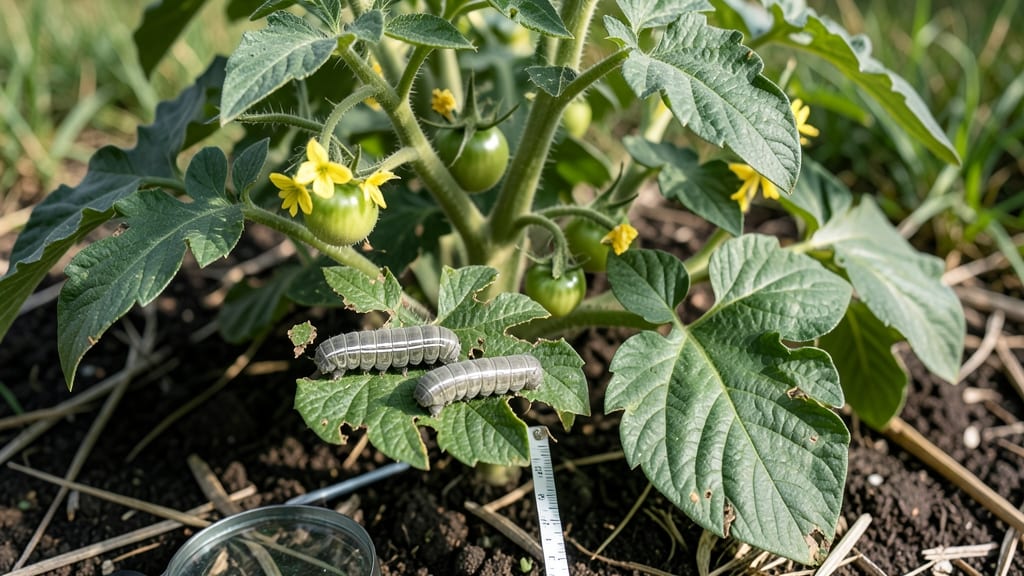
Armyworms on tomato plants mean total defoliation in 48 hours—unless you act fast. 🌱 I’ve watched these striped caterpillars turn lush tomato leaves into skeleton frames overnight, and the neem oil barrier I’ll show you stops them dead in their tracks before they even start.
The key is early detection: look for chewed leaves that look like Swiss cheese or tiny brown droppings on stems. Most gardeners miss the warning signs because armyworms hide during the day, only emerging at dusk to devour your plants.
But once you spot them, a neem oil spray creates a protective film that disrupts their feeding and growth cycle—no harsh chemicals needed. You’ll see results within 24 hours of application, with new leaves staying intact and existing damage stopping. The best part?
This method works on peppers, beans, and other garden favorites too, making it a one-stop solution for your entire plot. For long-term protection, combine this with crop rotation and beneficial nematodes—two simple habits that’ll keep your tomatoes thriving season after season without constant spraying.
The Real Culprits Behind Armyworm Attacks
Armyworms—those tiny, voracious caterpillars—don’t just appear out of nowhere on your tomato plants. Their invasion is the result of a mix of environmental, biological, and agricultural factors working in their favor. Understanding why they strike is the first step to stopping them before they turn your garden into a buffet.
Here’s a breakdown of the key reasons these pests target your tomatoes—and how to recognize the warning signs.
Armyworms have a simple motto: “Where it’s easy, we eat.” When tomato plants are stressed—whether from drought, poor soil, or overcrowding—they become weaker, making them far more appealing to pests. Here’s why:
- Nutrient Deficiency: Plants low in nitrogen or other essential nutrients produce softer, more tender leaves—perfect for armyworms to munch on. Look for yellowing leaves or stunted growth as red flags.
- Water Stress: Drought-stressed plants can’t produce tougher defensive compounds (like certain alkaloids), leaving them vulnerable. Even overwatering weakens roots, making plants easier targets.
- Competition for Space: Tomato plants growing too close together create shaded, humid microclimates—ideal breeding grounds for armyworm eggs. Poor airflow also slows recovery after damage.
💡 Pro Tip: Prune your plants regularly to improve airflow and remove damaged leaves. A balanced fertilizer (like 10-10-10) can also help strengthen their defenses.
Armyworms thrive in heat and humidity, which accelerate their reproduction and growth. Here’s how climate plays into their invasion:
| Factor | How It Helps Armyworms | What to Watch For |
|---|---|---|
| 🌡️ Warm Nights (Above 70°F) | Females lay more eggs and faster, with larvae hatching in as little as 3–5 days. | Sudden spikes in egg masses (small, white, cottony clusters) on undersides of leaves. |
| 💧 High Humidity | Larvae retain moisture better, surviving longer and growing faster. | Slime trails or chewed leaves with a “windowpane” effect (smooth edges from feeding). |
| 🌧️ Recent Rain or Irrigation | Moist soil helps eggs stick to leaves, and larvae thrive in damp conditions. | More activity after heavy rain—check plants immediately afterward. |
🌡️ Actionable Fix: If your area is prone to heatwaves, use drip irrigation at the base of plants (not overhead) to avoid creating humid leaf conditions. Mulch with straw to retain moisture in the soil while keeping foliage dry.
In a healthy ecosystem, armyworms face a gauntlet of predators: birds, parasitic wasps, spiders, and even beneficial nematodes. But when these natural defenses disappear, armyworms move in like an unstoppable army. Common reasons for predator loss:
- Pesticide Overuse: Broad-spectrum chemicals (like synthetic pyrethroids) kill both pests and their predators, creating a vacuum that armyworms exploit.
- Monoculture Gardening: Planting only tomatoes (or other solanaceous crops) reduces biodiversity, leaving fewer hiding spots and food sources for predator species.
- Urban or Suburban Gardens: Fewer wild predators (like toads or lacewings) exist in manicured landscapes compared to wild or permaculture gardens.
🐞 Solution: Encourage predator-friendly habitats by adding companion plants like dill, fennel, or marigolds, which attract parasitic wasps. Avoid chemical sprays and opt for neem oil or Bt (Bacillus thuringiensis)—these target armyworms without harming beneficial insects.
Armyworms and their moth parents are highly specific about where they lay eggs. If you’ve grown tomatoes (or other nightshade family crops like peppers or eggplants) in the same spot year after year, you’ve essentially hung out a neon sign: “All-You-Can-Eat Buffet Here.”
- Soil-Borne Cues: Armyworm moths detect chemical signals left in the soil by previous tomato crops, luring them back to the same location.
- Lack of Natural Barriers: Without rotation, there’s no “break” in the life cycle—larvae pupate in the soil and emerge as moths ready to repeat the cycle.
- Weakened Soil Health: Repeated planting depletes beneficial microbes and fungi that might otherwise suppress armyworm populations.
🔄 Fix It Now: Rotate your tomatoes with non-host plants like beans, squash, or brassicas (kale, cabbage). Even a 3-year rotation can drastically reduce armyworm pressure. Interplanting with nasturtiums (a trap crop) can also divert moths away from your tomatoes.
Adult armyworm moths are nocturnal navigators, using light, scent, and even wind patterns to find your garden. Here’s how they zero in:
- Artificial Lights: Porch lights or streetlights attract moths, which then lay eggs near the illuminated area—often right on your tomato plants.
- Tomato Scent: Moths are drawn to the volatile organic compounds (VOCs) emitted by tomato leaves, especially after sunset when these compounds peak.
- Wind Patterns: Moths ride prevailing winds to gardens, which is why armyworm outbreaks often coincide with specific weather fronts.
🌙 Light Management Tips:
- Use yellow or red bug lights (less attractive to moths) instead of white or blue lights near your garden.
- Plant strong-scented herbs like basil or rosemary around tomato plants—their fragrance can mask tomato odors.
- Harvest tomatoes before dusk to reduce evening VOC emissions.
Quick Fixes for Armyworm Damage
Armyworms can turn your thriving tomato plants into a skeletonized mess in days, but don’t panic—there are effective, practical solutions to stop them fast. Below, we break down the most common causes of armyworm infestations and pair them with step-by-step fixes, from organic sprays to cultural tweaks.
We’ve also included prevention tips to keep your garden armyworm-free long-term.
If your tomato plants are already stripped bare, you’ll need immediate intervention to save the harvest and prevent spread.
🍳 Handpick & Destroy (Best for Small Gardens)
- Scout at dawn or dusk 🌅—armyworms are most active when temps are cooler.
- Look for green or brown caterpillars (1–2 inches long) hiding under leaves or in rolled foliage.
- Drop them into soapy water 🧼 (1 tbsp dish soap per gallon) to kill them instantly.
- Check daily—repeat until no more are found.
✨ Pro Tip: Wear gloves! Armyworms can shed irritating hairs that cause skin rashes.
👨🍳 Neem Oil Spray (Organic & Fast-Acting)
Neem oil disrupts feeding and reproduction while being safe for beneficial insects. Here’s how to use it:
| Step | Action | Notes |
|---|---|---|
| 1 | Mix 2 tbsp neem oil + 1 tsp mild soap in 1 quart water | Soap helps it stick to leaves |
| 2 | Spray thoroughly (top & bottom of leaves) | Focus on new growth where larvae hide |
| 3 | Reapply every 5–7 days or after rain | Neem breaks down quickly |
| 4 | Apply in early morning or late evening | Avoid harming bees |
💡 Prevention Tip: Apply neem oil preventatively every 2 weeks during armyworm season (spring/fall).
Preventing armyworms starts with healthy plants and smart gardening habits.
🔪 Remove Weeds & Debris (Cut Off Hideouts)
- Armyworms love hiding in grass, weeds, and crop residue.
- Mow or till grassy areas near your garden weekly during peak season.
- Clean up fallen leaves and plant debris—burn or compost it far from your garden.
🌡️ Use Row Covers Early (Best for Prevention)
- Floating row covers (lightweight fabric) block adult moths from laying eggs.
- Install covers at planting and leave them on until flowers appear (then remove to allow pollination).
- Secure edges tightly with soil or bricks to prevent moths from sneaking in.
✨ Pro Tip: If using row covers, hand-pollinate tomatoes with a small brush to ensure fruit sets.
🎯 Companion Planting (Natural Deterrents)
Plant armyworm-repelling companions near tomatoes to confuse and deter moths:
- Marigolds (release limonene, which repels pests)
- Basil (masks tomato scent)
- Nasturtiums (trap armyworm eggs)
- Garlic & Onions (strong odor deters moths)
If your garden is large or severely infested, consider these extra measures:
🐛 Beneficial Nematodes (Soil Treatment)
- **Apply Heterorhabditis bacteriophora nematodes to the soil—they seek out and kill armyworm larvae.
- Best time: Early morning or evening (they need moisture).
- Reapply after heavy rain.
🦋 Encourage Natural Predators
- Ladybugs, lacewings, and parasitic wasps eat armyworm eggs and young larvae.
- Avoid broad-spectrum pesticides—they kill these helpful bugs too!
- Plant dill, fennel, or yarrow to attract predator insects.
To keep armyworms off tomatoes for good, follow this quick checklist: ✅ Inspect plants weekly—catch larvae early! ✅ Rotate crops—don’t plant tomatoes in the same spot yearly. ✅ Use yellow sticky traps—moths are attracted to them. ✅ Water in the morning—dry leaves are harder for eggs to stick. ✅ Keep grass short around garden edges.
By combining fast action (handpicking, neem oil) with long-term prevention (companion plants, row covers), you’ll minimize armyworm damage and protect your tomato harvest—without harsh chemicals**. 🍅💪
Frequently asked questions
How do I tell if my tomato plants have armyworms?
Look for chewed leaves with smooth edges (like windowpanes) and tiny brown droppings on stems. Armyworms hide under leaves during the day—check the undersides of younger leaves where they prefer to feed. You may also spot green or brown caterpillars 1-2 inches long with white stripes.
Why does neem oil work better than other organic sprays?
Neem oil disrupts armyworm feeding and reproduction by interfering with their hormones. Unlike Bt (which only kills larvae after ingestion), neem creates a protective film on leaves that stops new eggs from hatching and makes existing larvae less active. It’s also safer for beneficial insects when applied correctly.
Can I use armyworm-damaged tomato leaves for compost?
No—composting armyworm-infested plant material risks spreading eggs or larvae. Instead, burn or bury heavily damaged foliage far from your garden** (at least 50 feet away). Healthy-looking leaves can be composted separately, but avoid using them near tomatoes for 2 weeks.
What’s the best time of day to check for armyworms?
Check plants early morning or late evening when temperatures are cooler. Armyworms are most active during these times and hide in shaded areas during the heat of the day. A quick 10-minute inspection at dawn can catch infestations before they spread.
Will armyworms kill my tomato plants?
While armyworms can defoliate plants quickly, they rarely kill healthy tomato plants. The real danger is stress from repeated damage—plants may produce fewer fruits or become vulnerable to disease. Act fast with neem oil or handpicking to protect your harvest and let the plant recover.