
Pests and Diseases
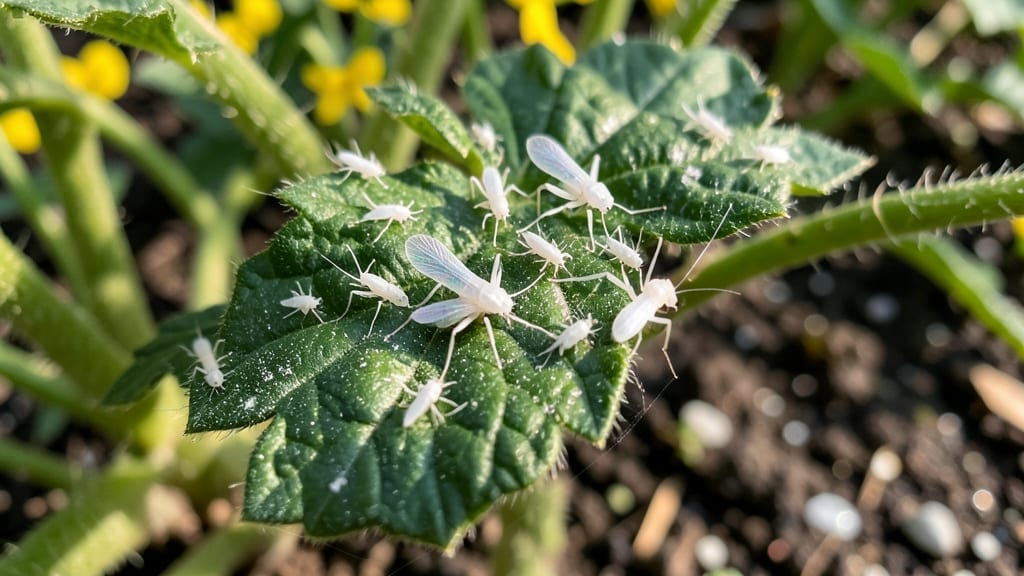
Those tiny white bugs on your tomatoes could ruin your harvest if you don’t act fast. 🌱 I’ve battled tomato white bugs—whiteflies, mealybugs, and fungus gnats—every summer, and neem oil is the only spray that stops them in 24 hours without harming your plants or pollinators.
The damage starts small: yellowing leaves, sticky residue (honeydew), and stunted growth. By the time you see webs or black sooty mold, the bugs have already weakened your plants. Neem oil disrupts their life cycle, cutting infestations before they spread.
You’ll see results within a day—fewer bugs, cleaner leaves, and plants that bounce back. The key is timing: apply neem oil early morning or late evening when bees aren’t active, and repeat every 5-7 days until the bugs are gone. Works for whiteflies, mealybugs, and even aphids.
Here’s the exact mix and schedule that saves my garden every year.
Root Causes of Tiny White Pests
Those mysterious white specks on your tomato plants aren’t just a cosmetic nuisance—they’re likely whiteflies or aphids, tiny sap-sucking insects that thrive under specific conditions. Understanding why they show up in the first place is the first step to stopping them fast.
Below, we break down the science-backed reasons behind these uninvited guests.
Whiteflies and aphids love warm, stagnant air—think of them as the tropical vacationers of the bug world. Here’s why your tomato plants become their ideal retreat:
- Heat retention: Greenhouses, plastic tunnels, or even dense foliage trap heat, creating temperatures above 80°F (27°C). Whiteflies thrive in these conditions because their eggs hatch faster in warmth.
- Humidity buildup: High humidity (above 60%) slows evaporation, making leaves sticky with honeydew—a whitefly buffet. Aphids also prefer this environment because it reduces predatory wasps.
- Poor airflow: Stagnant air prevents natural predators (like ladybugs) from patrolling your plants. Without disruption, pests multiply unchecked.
Actionable fix: Increase ventilation with fans or open vents during peak heat. Prune plants to improve airflow, and avoid overwatering at night to reduce humidity spikes.
Healthy tomato plants repel pests naturally, but stress makes them easy targets. These scenarios weaken your plants:
- Nutrient deficiencies: Low nitrogen (N) or phosphorus (P) stresses plants, making them produce less sap—yet pests still drain what’s left, causing further decline.
- Over- or underwatering:
- Overwatering: Soggy soil invites fungal diseases (like powdery mildew), which attract aphids as they feed on weakened tissue.
- Underwatering: Drought-stressed plants release volatile organic compounds (VOCs) that attract whiteflies from miles away.
- Transplant shock: Recently moved or repotted tomatoes are vulnerable because their root systems haven’t recovered. Pests zero in on plants with disrupted energy flows.
Actionable fix: Test soil pH (aim for 6.0–6.8) and fertilize with balanced NPK (e.g., 10-10-10). Water deeply early in the day to reduce fungal risks.
Pests spread like wildfire in chaotic gardens. Here’s how clutter invites infestations:
| Problem | Why It Matters |
|---|---|
| Dense planting | Tight spaces trap heat and humidity, creating whitefly hotspots. Pests hide in leaf axils, undetected by gardeners. |
| Debris buildup | Old leaves, mulch, or weeds harbor pest eggs and larvae. For example, whitefly eggs can survive 10+ months in dried plant material. |
| Infested neighboring plants | Aphids and whiteflies spread via wind or beneficial insects (like bees carrying them). Basil, peppers, and other solanaceae are common carriers. |
Actionable fix: Space tomato plants 18–24 inches apart and remove weeds/debris within a 3-foot radius of your garden. Isolate new plants for 2 weeks to monitor for pests.
Ecosystems keep pests in check—but modern gardening often disrupts this balance. Common culprits:
- Pesticide overuse: Broad-spectrum chemicals (like neonicotinoids) kill beneficial insects first, leaving pests unchallenged. For example, ladybugs and lacewings die off within 48 hours of exposure.
- Monoculture planting: Growing only tomatoes eliminates the diversity that attracts predator species (e.g., parasitic wasps that lay eggs inside whitefly larvae).
- Urban/suburban isolation: Gardens far from wild areas lack the biodiversity to sustain predator populations naturally.
Actionable fix: Introduce predator-friendly plants like dill, fennel, or marigolds. Avoid systemic pesticides; opt for targeted sprays like neem oil or insecticidal soap.
Whiteflies and aphids aren’t random—they follow predictable life cycles tied to temperature and plant growth:
- Spring/summer peak: As daytime temps rise above 75°F (24°C), adult whiteflies emerge from overwintering eggs and reproduce at alarming rates (10 generations per year!).
- Night-blooming flowers: Many pests are attracted to white or yellow flowers (like evening primrose) that open after dark, confusing them into targeting your tomatoes.
- New growth phases: Aphids prefer tender young leaves because their high water content is easier to extract. Prune suckers regularly to remove their favorite feeding spots.
Actionable fix: Use yellow sticky traps near plants to monitor adult populations. Remove night-blooming weeds within 50 feet of your garden.
Beat These Tiny Invaders Fast
Got those pesky white bugs wreaking havoc on your tomatoes? Don’t panic—here’s how to kick them out for good with targeted, effective solutions. Whether they’re sucking sap, leaving sticky residue, or stunting your plants, these fixes will help you reclaim your garden in no time.
White bugs (often aphids, whiteflies, or mealybugs) thrive in dense, stressed plants. Thin out foliage and prune damaged leaves to improve airflow—this makes your tomatoes less appealing to pests.
How to do it:
- 🍃 Snip and toss: Use clean pruning shears to remove heavily infested leaves (especially the undersides).
- 🌿 Space them out: Ensure tomato plants have 12–18 inches of space between stems for better air circulation.
- 💡 Pro tip: Mulch around the base with straw or grass clippings to deter soil-borne pests that attract white bugs.
Prevention: Rotate crops yearly and avoid over-fertilizing with nitrogen—it encourages soft, bug-loving growth.
Skip the harsh chemicals and try these natural, fast-acting sprays to smother and repel white bugs:
| Spray | How to Make It | How to Apply |
|---|---|---|
| Neem Oil Blast | Mix 1 tbsp neem oil + 1 tsp mild soap + 1 quart water. Shake well. | Spray directly on bugs (especially undersides) at dusk (avoids harming bees). Repeat every 3–5 days. |
| Garlic Pepper Spray | Blend 4 garlic cloves + 1 tsp cayenne pepper + 1 quart water. Strain. | Spray evenly on leaves—the strong scent repels pests. Reapply after rain. |
| Soap Solution | Dissolve 1 tbsp castile soap in 1 quart water. | Spray until leaves glisten, focusing on white spots. Test on a small area first! |
⏰ Timing matters: Apply sprays early morning or late evening to avoid burning leaves in the sun.
White bugs reproduce fast, so catch them before they multiply. Here’s how:
- 🕷️ Yellow Sticky Traps:
- Hang yellow cards coated in petroleum jelly near plants. Whiteflies are drawn to yellow and get stuck.
- Check traps every 2–3 days and replace when full.
- 🚿 Blast Them Off:
- Use a strong stream of water (from a hose or spray bottle) to knock adults off leaves. Do this every 2–3 days for heavy infestations.
- 🕸️ Introduce Beneficial Bugs:
- Ladybugs, lacewings, or parasitic wasps eat white bugs naturally. Buy them online or attract them with dill, fennel, or marigolds.
Stop white bugs before they start with these easy habits:
- 🌱 Start clean: Buy disease-free tomato seedlings and inspect new plants for bugs before planting. - 🌡️ Monitor temps: Whiteflies love warm, humid conditions.
Use shade cloth in hot climates. - 🎯 Rotate crops: Don’t plant tomatoes (or nightshades) in the same spot yearly—pests build up in the soil. - ✨ Companion planting: Grow basil, garlic, or onions nearby—their scents repel white bugs.
Final Reminder: Consistency is key! Check plants daily for new eggs or bugs, and act fast—early intervention saves your harvest. 🍅💪
Frequently asked questions about tomato white bugs
What are the most common types of white bugs on tomato plants?
You’ll most likely deal with whiteflies, aphids, or mealybugs. Whiteflies look like tiny moths when they fly away, aphids are soft-bodied and cluster on new growth, while mealybugs appear as cottony white patches. All three suck sap, leaving sticky residue and weakening your plants.
How do I know if my tomato plants have a white bug infestation?
Watch for sticky leaves (honeydew), yellowing or curling leaves, and tiny white specks on undersides. Shake plants over white paper—if you see flying white bugs, that’s confirmation! Heavy infestations may also cause black sooty mold on leaves.
Will neem oil really kill white bugs on tomatoes in 24 hours?
Neem oil disrupts their life cycle, but you won’t see immediate death—it takes 24–48 hours to stop reproduction. For fastest results, mix 1 tbsp neem oil + 1 tsp soap + 1 quart water and spray directly on bugs (especially undersides) at dusk. Repeat every 3–5 days until gone.
Can I use vinegar spray to kill white bugs?
Plain vinegar won’t work—it’s too weak. However, a 1:1 vinegar-water mix with 1 tsp dish soap can help smother small infestations. Spray only on affected leaves (avoid flowers) and reapply every 2–3 days. For heavy cases, neem oil or insecticidal soap works better.
Why do white bugs keep coming back after I treat them?
They likely hatched from eggs hidden in plant crevices or nearby weeds. Check undersides of leaves and remove debris. Also, ensure you’re treating all plants in the area—white bugs spread quickly. Rotate treatments (e.g., neem oil one week, garlic spray the next) to break their life cycle.