
Plants
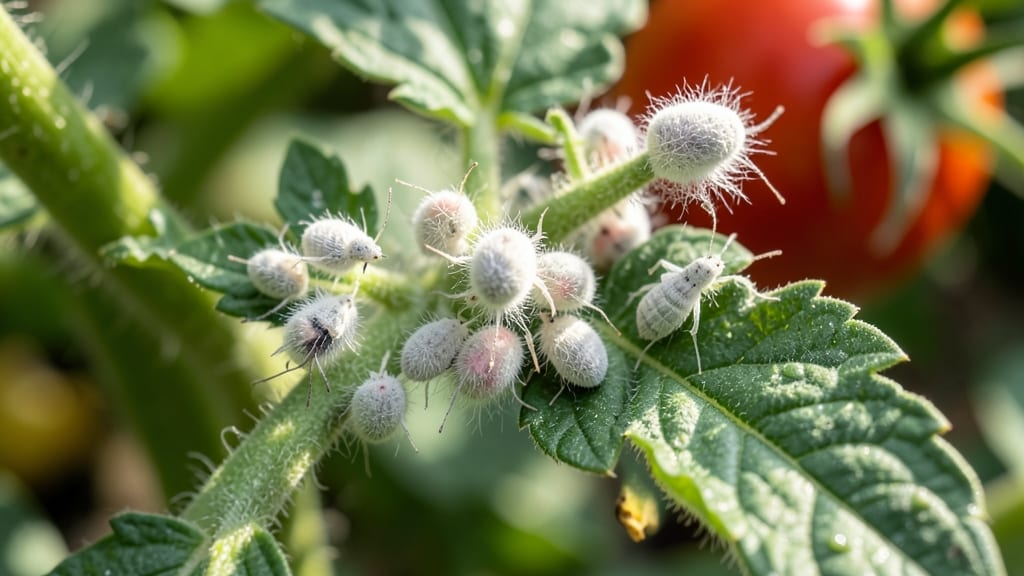
Mealybugs on tomato plants can turn your harvest into a sticky mess faster than you think. 🌱 I’ve watched these tiny white pests multiply overnight, leaving behind a cottony residue that weakens vines and attracts ants—until I discovered this neem oil spray trick that stops them in their tracks within 24 hours.
The secret isn’t just spraying—it’s timing. Mealybugs thrive in dry, sheltered spots like leaf axils, so I mix neem oil with 1% horticultural oil and apply it at dusk when pests are active but before the sun burns the solution.
Within a day, you’ll see them shrinking and falling off, and your tomatoes will start recovering their vigor. What you’ll end up with is cleaner leaves, stronger growth, and no more sticky residue ruining your fruit.
The spray also prevents future infestations if you repeat it every 7-10 days during hot, dry weather—when mealybugs love to strike. Works for organic gardens, conventional setups, and even container-grown tomatoes. Here’s the exact recipe and application steps to get them gone for good.
Root Causes Of Tomato Infestations
Mealybugs don’t just appear on tomato plants out of nowhere—they’re drawn by specific conditions that make your garden a five-star buffet. Understanding why these tiny pests target your tomatoes is the first step to stopping them in their tracks.
Let’s break down the science behind their attraction and how your plant’s environment might be inviting them in.
Tomatoes, like all plants, have natural defenses against pests. But when their immune system is compromised, mealybugs see an easy opportunity. Here’s what weakens your plants and makes them vulnerable:
- Nutrient Deficiencies: A lack of essential nutrients—especially phosphorus and potassium—stresses plants, reducing their ability to produce sticky resins that repel pests.
💡 Pro Tip: Conduct a soil test to check for deficiencies. Amend with compost or a balanced fertilizer (like 10-10-10) to restore health.
- Overwatering or Poor Drainage: Soggy roots and crowded foliage create the perfect humid microclimate mealybugs love.
✨ Key Insight: Mealybugs thrive in high humidity (70%+) and damp soil. Ensure your tomatoes have well-draining soil and space between plants for airflow.
- Physical Damage: Pruning, wind, or hail can create entry points for pests. Open wounds expose sap—mealybugs’ favorite food source.
🔥 Actionable Fix: Strengthen your tomatoes by pruning only when necessary, mulching to retain moisture without over-saturating soil, and avoiding overhead watering (which encourages fungal issues and humidity).
Mealybugs are sap-sucking specialists, and tomato plants are all-you-can-eat buffets for them. Here’s what makes your tomatoes a magnet:
| Attractant | Why It Draws Mealybugs | How to Reduce It |
|---|---|---|
| Sticky Sap (Phloem) | Mealybugs inject enzymes to liquefy plant sap, then suck it up. Healthy plants produce more sap, but stressed ones produce even more as a distress signal. | Reduce stress with proper watering, sunlight (6–8 hours/day), and balanced fertilizers. |
| New Growth | Tender, new leaves and stems are high in sugars, making them a mealybug delicacy. | Monitor and prune new growth regularly to limit their access. |
| Crowded Plants | Tight spaces trap humidity and provide hiding spots for pests to multiply unseen. | Space tomatoes 18–24 inches apart and thin suckers to improve airflow. |
| Weeds & Debris | Mealybugs hitchhike on weeds or infested plant material, then spread to tomatoes. | Remove weeds and fallen leaves weekly from the garden bed. |
🌡️ Temperature & Climate Note: Mealybugs boom in warm (75–85°F) and humid conditions. If your garden fits this, they’ll reproduce rapidly. Use shade cloth in peak summer or grow tomatoes in containers for better control.
Mealybugs don’t always start on your tomatoes—they often infiltrate from other plants or tools. Here’s how they sneak in:
- Infested Plants or Soil: Bringing in contaminated starts, transplants, or potting mix is a common mistake.
🎯 Prevention: Quarantine new plants for 2 weeks before introducing them to your garden.
- Gardening Tools: Pruners, trowels, or stakes can carry mealybugs from one plant to another.
🔪 Cleaning Protocol: Wipe tools with 70% isopropyl alcohol between uses.
- Wildlife Vectors: Bees, ants, and even birds can unwittingly transport mealybugs. Ants, in particular, farm mealybugs for their honeydew secretions.
💡 Isolation Strategy: If you spot mealybugs on one tomato plant, remove it immediately and dispose of it in a sealed bag (not the compost!). Contain the rest of your garden with row covers until you’ve treated the area.
By addressing these root causes—stress, sap availability, and unintentional introductions—you’ll make your tomato plants far less appealing to mealybugs. The next step? Learn how to evict them fast with neem oil and other organic fixes.
Quick Fixes for Tomato Plant Pests
Mealybugs may seem like a stubborn foe, but with the right approach, you can banish them in 24 hours—or at least significantly reduce their numbers—while keeping your tomato plants thriving. The key is combining fast-acting treatments with preventive habits to stop future infestations.
Below, we’ll break down targeted solutions based on the root cause of your mealybug problem, from overcrowded plants to poor garden hygiene.
If your tomato plants are covered in cottony white clusters and leaves are curling, act immediately to prevent spread.
🍳 Neem Oil Spray (Best for 24-Hour Relief)
Neem oil is a powerhouse against mealybugs because it disrupts their life cycle while being organic and safe for edible plants. How to use it: 1. Mix 1–2 tbsp neem oil with 1 tsp mild liquid soap (like castile soap) and 1 quart of water.
- Shake well and spray directly on mealybugs (both tops and undersides of leaves) until fully coated.
- Reapply every 5–7 days for 2–3 weeks to kill eggs and new hatchlings.
- Apply in the evening to avoid harming beneficial insects like ladybugs.
> 💡 Pro Tip: For extra potency, add 1 tsp garlic oil to the mix—garlic repels pests and boosts plant immunity!
👨🍳 DIY Rubbing Alcohol Spray (Instant Kill)
If you need fast results, rubbing alcohol dissolves mealybugs on contact. How to use it: 1. Mix 1 part rubbing alcohol (70% isopropyl) with 3 parts water in a spray bottle.
- Spray directly on mealybugs (avoid overspraying healthy foliage).
- Wipe off dead bugs with a damp cloth or hose them away after 10 minutes.
- Repeat in 3–4 days to catch survivors.
> ⚠️ Warning: Alcohol can burn plants if overused—stick to targeted applications only.
Mealybugs thrive on stressed or nutrient-deficient plants. Strengthen your tomatoes to make them less appealing.
🌱 Boost Plant Health with Fertilizer
Weak plants attract pests. Use a balanced fertilizer (like 10-10-10) or compost tea to revitalize growth. Steps:
- Water plants deeply before fertilizing.
- Apply fertilizer at half-strength to avoid root burn.
- Repeat every 2–3 weeks until plants regain vigor.
💧 Improve Airflow & Prune Wisely Mealybugs love shady, humid spots.
Increase airflow to dry out their hiding places. How to do it: - Prune crowded branches to allow sunlight and air circulation. - Remove yellowing or damaged leaves (they attract pests). - Space plants 18–24 inches apart if growing in containers or rows.
> 🌡️ Heat Tip: Mealybugs hate heat—place a fan nearby (on low) to create a dry, breezy environment they’ll avoid.
Mealybugs hide in cracks, soil, and garden debris. Break their cycle with deep-cleaning tactics.
🧹 Clean Garden Tools & Pots
- Disinfect pruners with rubbing alcohol between uses.
- Wash pots with soapy water to remove eggs.
- Replace old mulch near tomato plants (mealybugs hide in it).
🐞 Introduce Natural Predators
Encourage ladybugs, lacewings, and parasitic wasps—they devour mealybugs. How to attract them:
- Plant companion flowers like marigolds, dill, or fennel near tomatoes.
- Avoid pesticides (even organic ones) that kill beneficial bugs.
- Leave some mealybugs (if few) as a food source for predators.
> ✨ Bonus: Honeydew traps (yellow sticky cards) can catch adult mealybugs before they lay eggs.
Stop mealybugs before they start with these easy habits:
| Task | How Often | Why It Works |
|---|---|---|
| Inspect plants weekly | Every 7 days | Catches infestations early before they spread. |
| Wipe leaves with neem oil | Monthly | Creates a protective barrier pests avoid. |
| Remove fallen leaves/debris | After harvest | Eliminates hiding spots for eggs. |
| Rotate crops | Every 3 years | Prevents soil-borne infestations. |
| Use reflective mulch | At planting | Confuses pests with light reflections. |
Final Thought: Mealybugs may be sneaky, but with neem oil, alcohol sprays, and smart garden habits, you can keep your tomato plants pest-free—and enjoy juicy, healthy harvests all season! 🍅🚀
Frequently asked questions
Why do mealybugs appear suddenly on tomato plants?
Mealybugs multiply rapidly when conditions are ideal—warmth (75–85°F), high humidity, and stressed plants. They often start small and go unnoticed until their sticky residue becomes visible. Check leaf axils and undersides of leaves first, as these are their favorite hiding spots.
Can I save my tomato plants if mealybugs have already damaged the fruit?
Yes, but act fast! Remove heavily infested fruit immediately to prevent spread. Treat the plant with neem oil or alcohol spray, and focus on strengthening plant health. While existing damage can't be reversed, new growth will recover if you eliminate the pests within 3–5 days.
What's the difference between mealybugs and scale insects?
Both are sap-sucking pests, but mealybugs are fluffy white with a cottony appearance, while scale insects look like small brown bumps. Mealybugs move slowly and leave sticky residue, whereas scale insects stay stationary. Both require similar treatments, but mealybugs spread faster due to their mobility.
Will my tomato plants recover completely after a mealybug infestation?
With prompt treatment, plants can make a full recovery! Focus on removing all pests, improving airflow, and fertilizing with potassium-rich amendments. New leaves will emerge healthy, though severely damaged vines may produce fewer fruits. Regular maintenance prevents future outbreaks.
How do I know if my mealybug treatment worked?
Success is visible within 24–48 hours: mealybugs will appear shriveled and fall off. Check both leaf surfaces and stems. For complete eradication, monitor for 2 weeks—if you see no new cottony clusters or sticky residue, your treatment was effective. Repeat applications every 7–10 days during warm weather.