
Plants
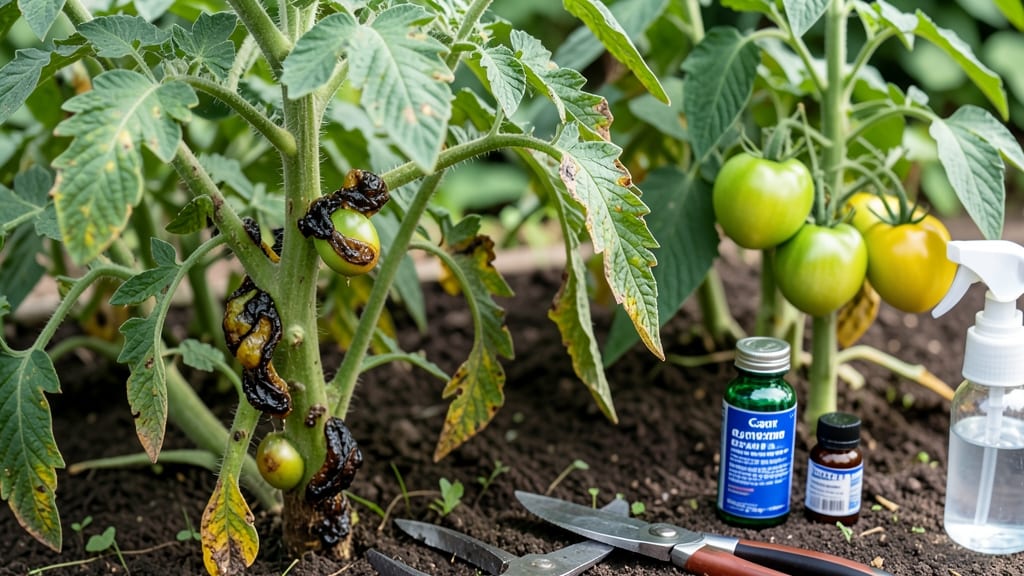
Bacterial canker on tomato plants can turn your harvest into a disaster—unless you act fast. 🌱 I’ve seen this stubborn disease wipe out entire plants in days, but there’s a 48-hour window where a simple copper-based spray can stop it dead in its tracks before it spreads.
The key? Recognizing the symptoms early and cutting off the infection before it takes hold.
This bacterial infection starts with dark, sunken spots on leaves and stems, often with a yellow halo around them. As it progresses, the plant’s vascular system gets clogged, causing wilting and dieback—even if the soil is moist. The worst part?
It thrives in warm, wet conditions, so summer gardens are prime targets. But here’s the good news: copper sprays disrupt the bacteria’s cell walls, and when applied correctly, they can prevent further spread while giving your plant a fighting chance.
You’ll know the spray is working when new growth appears healthy and the dark lesions stop expanding. Within 48 hours, the bacteria’s progress halts, and your plant can focus on recovery instead of fighting an infection.
The best part? This isn’t some expensive chemical—it’s a budget-friendly, organic-approved solution that works whether you’re growing in containers or a full garden bed.
For long-term protection, pair the spray with proper spacing (to improve airflow) and removing infected plant debris immediately. And if you’ve had canker before, sterilize your tools between plants—this disease doesn’t forgive second chances. Let’s get your tomatoes back on track!
Root Causes Of Tomato Plant Decay
Bacterial canker isn’t just a random strike—it thrives because of specific conditions that weaken your tomato plants and invite Clavibacter michiganensis to wreak havoc. Understanding these triggers is the first step to stopping the disease before it spreads.
Let’s break down the real culprits behind bacterial canker and why your plants might be under siege.
Bacterial canker loves hot, humid conditions—think summer afternoons with temperatures hovering around 80–90°F (27–32°C) and high humidity. Here’s why:
- Moisture on leaves: Water droplets (from rain, overhead irrigation, or morning dew) create a slippery highway for bacteria to move between plants. The bacteria ooze from infected stems and splash onto healthy foliage.
- Slow drying time: In humid climates, leaves stay wet longer, giving bacteria hours to colonize wounds or natural openings like stomata (leaf pores).
- Stress from heat: Tomatoes already struggle in extreme heat, leading to wilting, sunburn, or cracked stems—perfect entry points for C. michiganensis.
Pro tip: 🌡️ If your area has consistent high heat + humidity, prioritize preventative copper sprays every 7–10 days during peak growing season.
Bacterial canker cannot penetrate unbroken skin—it needs an open door. Common culprits include:
- Pruning cuts: Using contaminated shears or nicking stems while pruning leaves raw wounds that bacteria exploit within 24–48 hours.
- Hail or wind damage: Torn leaves or split stems create high-risk zones for bacterial entry.
- Insect bites: Hornworms, aphids, or even spider mites can chew or pierce plant tissue, leaving behind bacterial-friendly pathways.
- Poor harvesting: Roughly handling fruit or stems (e.g., twisting vines) can crush cells, inviting infection.
Actionable fix: 🔪 Always sterilize pruners with rubbing alcohol (70%+) between cuts, and avoid pruning during wet conditions.
When tomato plants grow too close together, air circulation stalls and leaves stay damp longer. This creates a perfect petri dish for bacterial canker to:
- Jump between plants: Bacteria-laden water splashes from infected leaves to healthy ones via rain, wind, or even garden tools.
- Survive in debris: Fallen leaves or pruned stems left on soil harbor bacteria for months, reinfecting new growth.
- Weaken defenses: Competing for nutrients, plants become stressed and vulnerable to secondary infections.
Quick solution: 🌿 Space tomato plants 18–24 inches apart and remove all plant debris from the garden bed by fall.
Water is the #1 vector for bacterial canker. Here’s how it happens:
| Source | Risk Level | Why It’s Dangerous |
|---|---|---|
| Reused garden water | ⚠️ High | Stagnant water in containers or buckets can breed bacteria over time. |
| Overhead irrigation | 🔥 Extreme | Splashes infected droplets onto leaves, spreading canker like wildfire. |
| Shared tools (watering cans, hoses) | ⚠️ High | Cross-contamination from infected plants transfers bacteria to healthy ones. |
| Rainwater runoff | 🌧️ Moderate | Water flowing from infected areas carries bacteria to lower-lying plants. |
Prevent it: 💧 Use drip irrigation at soil level and sterilize watering tools with a 10% bleach solution (1 part bleach to 9 parts water).
Tomatoes grown in nutrient-poor or compacted soil are far more susceptible to bacterial canker because:
- Stress from lack of nutrients: Plants with nitrogen or potassium deficiencies have thinner cell walls, making them easier targets.
- Fungal allies: Weak plants often co-infect with fungi (like early blight), creating entry points for bacteria.
- Poor drainage: Waterlogged soil stresses roots and keeps foliage damp longer, extending bacterial activity.
Boost defenses: 🌱 Amend soil with compost and aged manure before planting, and ensure well-draining beds (raise beds if your soil is clay-heavy).
How to Fix Tomato Plant Infections
Bacterial canker can feel like a death sentence for your tomato plants, but don’t panic—there are effective, science-backed ways to stop the spread and save your harvest. The key is acting fast and combining removal, sanitation, and preventive sprays.
Below, we’ll break down solutions by cause, so you can tackle the problem at its source.
If bacterial canker has already taken hold, quarantine and destroy affected plants to prevent contamination.
- 🔪 Cut out infected stems and leaves (wear gloves!) and bag them in a sealed plastic bag—do not compost them. - 🌡️ Check nearby plants for symptoms (oozing cankers, wilting, or dark spots).
If found, remove them too. - 🚫 Avoid pruning during wet weather—bacteria spreads faster when tools are damp.
Pro Tip: 💡 Disinfect pruners between cuts with 70% isopropyl alcohol or a 10% bleach solution (1 part bleach to 9 parts water) to kill lingering bacteria.
Bacterial canker survives in soil and on tools, so deep cleaning is non-negotiable.
- 🧴 Sterilize pruners, knives, and shovels after each use with:
- Bleach solution (1 tbsp bleach per gallon of water, soak for 10 minutes).
- Rubbing alcohol (70% or higher).
- 🌱 Remove plant debris from the garden bed—burn or trash it (do not leave it in compost).
- 💦 Water at the base (not overhead) to keep leaves dry and reduce bacterial splash.
Pro Tip: ✨ Use copper-based fungicides (like Copper Soap) on tools and soil surfaces as an extra barrier.
The #1 way to stop bacterial canker in 48 hours? A copper-based spray (like Copper Fungicide) or bacterial canker-specific treatments. Here’s how:
- 🍯 Mix a copper solution (follow label instructions—typically 1 tbsp copper fungicide per gallon of water).
- 🌿 Spray early morning or late evening (avoid direct sun to prevent leaf burn).
- 🔄 Reapply every 7–14 days or after heavy rain (bacteria thrives in moisture).
- 🛡️ Add a protective film (like neem oil or potassium bicarbonate) to strengthen plant defenses.
Pro Tip: 🌡️ For severe cases, rotate between copper spray and streptomycin (antibacterial)—but always follow safety guidelines (wear gloves, avoid eating sprayed produce for 24 hours).
Once your plants are healthy, break the bacterial cycle with these habits:
- 🌱 Choose resistant varieties (e.g., ‘Mountain Merit’ or ‘Better Boy’ tomatoes tolerate disease better). - 🚫 Rotate crops—don’t plant tomatoes or potatoes in the same spot for 3+ years. - 💧 Improve drainage—bacterial canker loves soggy soil.
Raise beds or add compost to loosen clay. - 🌿 Mulch with straw (not leaves) to keep soil dry and reduce splashing. - 🌞 Space plants properly (18–24 inches apart) for better airflow (less humidity = fewer bacteria).
Pro Tip: 🎯 Test your soil pH—aim for 6.0–6.8. Too acidic? Add lime; too alkaline? Use sulfur.
If 50%+ of your plants are infected and you’ve tried everything, it may be time to reset the garden:
- 🔄 Remove all tomato plants (including roots).
- 🌱 Plant a non-host crop (like beans or lettuce) in the affected bed for the season.
- 🛠️ Next year, sterilize the soil with solarization (cover with clear plastic for 4–6 weeks in summer) or biofumigation (mustard seed meal).
Final Thought: Bacterial canker is controllable—but speed is everything. Act within 24–48 hours of spotting symptoms, and your tomatoes can bounce back stronger than ever! 🍅💪
Frequently asked questions
How can I tell if my tomato plant has bacterial canker and not just sunburn or blight?
Bacterial canker shows sunken, dark lesions with yellow halos and often oozes a gummy substance when stems are cut. Unlike sunburn (which is dry and brown), canker lesions are wet-looking and may appear on stems and leaves. Early blight causes concentric rings on leaves, while canker targets the plant’s vascular system, leading to wilting even when soil is moist.
Is bacterial canker contagious to other plants in my garden?
<Yes! This bacteria spreads through water splashes, contaminated tools, and even insects. It can infect other nightshade plants like peppers, potatoes, and eggplants. The best defense is immediate removal of infected plants, sterilizing tools, and avoiding overhead watering.
Can I still save my tomatoes if bacterial canker is already spreading?
You can slow the spread with a copper-based spray (like Copper Soap) applied every 7–10 days. Remove all infected plant parts immediately, and sterilize your garden tools. For severe cases, consider removing the plant entirely to protect nearby crops. Act fast—within 48 hours makes the biggest difference!
Why does bacterial canker seem to disappear in cooler weather?
Bacterial canker thrives in warm, humid conditions (above 70°F/21°C). When temperatures drop, the bacteria becomes less active, allowing your plant to temporarily recover. However, the bacteria can survive in soil and debris for years, so sterilize your garden and rotate crops to prevent reinfection next season.
Are there any tomato varieties that naturally resist bacterial canker?
While no variety is 100% resistant, some like 'Mountain Merit' and 'Better Boy' show better tolerance to bacterial canker. For organic gardens, cherry tomatoes (like 'Sweet 100') often fare better due to their smaller size and faster growth. Pair resistant varieties with copper sprays and proper spacing for the best defense.