
Vegetables
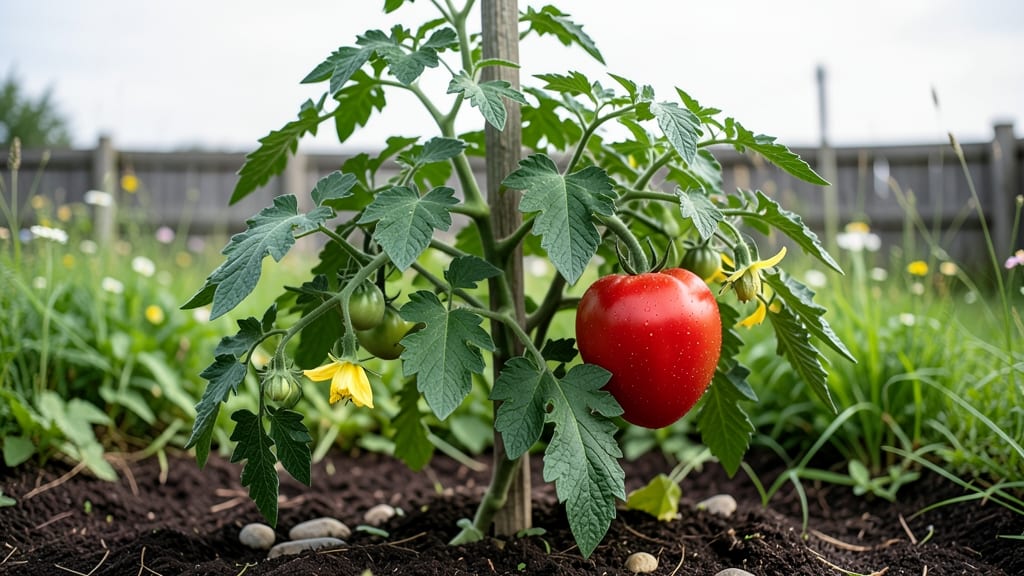
The right beefsteak tomato name can transform your garden from decent to legendary. 🌞 These massive, flavor-packed varieties—like 'Brandywine', 'Cherokee Purple', or 'Big Beef'—deliver the juicy, meaty slices you crave straight from the vine.
The secret? Matching their sun-loving nature with proper spacing, soil, and a little extra care during their slow-but-worthy growing season.
Heirlooms like 'Brandywine' produce 1-pound fruits with rich, sweet flavors, while hybrids such as 'Big Beef' offer disease resistance and consistent yields. Plant them in full sun (6-8 hours daily) with well-draining soil, and stake or cage them early—their vines get heavy.
Water deeply but avoid wetting leaves to prevent blight, and expect your first harvest around 80 days for early varieties or up to 100 days for heirlooms.
What you’ll end up with is tomatoes so flavorful they’ll make store-bought taste like cardboard. The first slice—still warm from the sun—is a game-changer for sandwiches, salads, and sauces.
These varieties thrive in warm climates but can be grown in cooler zones with season extension, and their slow growth means fewer early-season pests.
For best results, start seeds indoors 6-8 weeks before your last frost, and choose a spot with protection from strong winds. Prune suckers regularly to focus energy on fruit production, and harvest when the tomatoes are fully colored but still slightly firm.
The payoff? A garden that becomes the talk of the neighborhood—and your dinner table.
📚 In This Guide
- What you need
- Instructions
- Tips and common mistakes
- Wrapping up and next steps
What you need
- ● Beefsteak tomato seeds or seedlings: Choose Heirloom or hybrid varieties like 'Brandywine,' 'Cherokee Purple,' or 'Big Beef.' Start with 2–4 plants for a family of 4.
- ● High-quality potting mix or garden soil: Use a sterile, well-draining mix (e.g., 60% compost, 30% coconut coir, 10% perlite). Avoid garden soil if planting in containers.
- ● Containers or garden bed: Containers: 5-gallon pots or larger (minimum 18" diameter) with drainage holes. 2–3 plants per container.
- ● Garden beds: Full sun (6–8+ hours daily) and 12–18 inches of loose, fertile soil.
- ● Fertilizer: Balanced 10-10-10 or organic options like composted manure, worm castings, or a tomato-specific fertilizer.
- ● Support structures: Cages (6' tall), stakes (6–8 ft), or trellises to handle the weight of beefsteak tomatoes (they can grow 2–3 lbs each!).
- ● Mulch: Straw, wood chips, or black plastic to retain moisture and suppress weeds.
- ● Basic gardening tools: Trowel, pruners, gloves, and a watering can or hose with a gentle spray nozzle.
- ● pH testing kit: Ideal soil pH for tomatoes: 6.0–6.8. Adjust with lime (to raise pH) or sulfur (to lower pH) if needed.
- ○ Row cover or shade cloth: Optional but helpful for early planting to protect seedlings from frost or pests.
- ● Drip irrigation or soaker hose: Recommended for consistent moisture (beefsteaks need 1–2 inches of water weekly).
- ● Plant markers: Label seeds/seedlings to track varieties and planting dates.
- ● Start indoors early: Sow seeds 6–8 weeks before your last frost date for a head start.
- ● Hardening off: Acclimate seedlings to outdoor conditions 1–2 weeks before transplanting.
- ● Companion plants: Pair with basil, marigolds, or onions to deter pests and boost flavor!
Step-by-step instructions for cultivating beefsteak tomatoes
Here’s how I grow beefsteak tomatoes—big, flavorful, and sun-drenched—with techniques that guarantee juicy, restaurant-quality fruit.
🌱 Step 1: Select and Prepare the Perfect Site
Beefsteak tomatoes need full sun—at least 8 hours daily—and rich, well-draining soil. I always choose a location with afternoon sun exposure, as the intense light boosts sweetness and size. Amend the soil with 2-3 inches of compost mixed into the top 12 inches to ensure nutrients and drainage.
Test the soil’s moisture by squeezing a handful—it should hold together but not be sticky. If your soil is heavy clay, add 1 part perlite or coarse sand per 3 parts soil to improve aeration. Beefsteaks are heavy feeders, so I also work in a balanced 10-10-10 fertilizer at planting time to fuel early growth.
☀️ Step 2: Plant at the Right Time and Depth
Wait until nighttime temperatures stay above 55°F before transplanting seedlings, as cold snaps stunt growth. Plant beefsteak tomatoes 12-18 inches deep—deeper than most varieties—to encourage a strong root system. I bury about ⅔ of the stem below soil level, which prompts roots to form along the buried portion, creating a more stable plant.
Space plants 24-36 inches apart in rows 36 inches apart to allow airflow and prevent disease. You’ll see the first true leaves emerge within 7-10 days—this is your cue that roots have established. Mulch with 2-3 inches of straw or shredded leaves to retain moisture and suppress weeds.
💧 Step 3: Water Deeply and Fertilize Strategically
Beefsteaks thrive with 1-1.5 inches of water per week, delivered at the base of the plant to avoid wetting leaves (which spreads disease). I water in the morning so foliage dries quickly. Let the top 2 inches of soil dry out between waterings—consistent moisture prevents cracking but don’t let the soil stay soggy.
Feed plants every 2-3 weeks with a low-nitrogen, high-phosphorus fertilizer (like 5-10-10) to promote flowering and fruiting. Stop fertilizing 4-6 weeks before harvest to allow flavors to concentrate. You’ll notice flowers forming within 4-6 weeks after planting—this is when the magic happens.
✂️ Step 4: Prune and Support for Maximum Yield
Prune suckers (the small shoots that form in the joint between the main stem and branches) regularly to direct energy into fruit production. I remove suckers larger than 3 inches to avoid weakening the plant. Leave 2-3 main stems for beefsteaks—they need strong structure to support their weight.
Install sturdy cages or stakes at planting to prevent sprawling. Tie the main stem to the support with soft cloth or twine, adjusting as the plant grows. You’ll see the first tomatoes form near the top of the plant—these are the largest and juiciest. Harvest when fully colored and slightly soft to the touch, usually 70-85 days after transplanting.
⏰ Step 5: Harvest and Extend the Season
Pick beefsteaks in the morning when flavors are at their peak. Use two hands—one to support the fruit, the other to twist gently. Avoid cutting stems, as this can invite disease. Store harvested tomatoes at 55-65°F for up to 2 weeks to preserve juiciness.
To prolong the harvest, cover plants with frost cloth when nighttime temps dip below 50°F. I’ve kept beefsteaks producing well into fall this way. Save seeds from your best tomatoes by fermenting the pulp in a jar for 3-5 days, then rinsing and drying them for next year’s plants.
Tips & tricks for perfect beefsteak tomatoes
These sun-smart strategies will help you coax out the juiciest, most flavorful beefsteak tomatoes your garden has ever seen.
Sun Exposure Secret: While the instructions call for at least 8 hours of daily sun, I've found that beefsteaks truly shine with afternoon sun exposure—think 12-4 PM. This extended sunlight boosts sugar development, creating tomatoes that taste sweeter and more complex. If your garden gets cloudy afternoons, consider supplementing with a portable grow light for 2-3 hours during peak sunlight hours.
Soil Prep Pro Tip: The 2-3 inches of compost mixed into the top 12 inches of soil is non-negotiable, but here's the extra step I always take: I add a handful of crushed eggshells to each planting hole. This provides calcium that prevents blossom-end rot, a common issue with beefsteaks. The eggshells also break down slowly, releasing nutrients over time.
Planting Depth Technique: Burying those seedlings 12-18 inches deep with ⅔ of the stem underground might seem drastic, but it works wonders. I've seen plants develop additional root systems along the buried stem, creating a more robust plant. For extra insurance, I make a small slit in the stem just below each leaf node before planting—this encourages roots to form at those points.
Watering Wisdom: Those 1-1.5 inches of water per week need to be delivered consistently at the base of the plant. I've learned the hard way that using a soaker hose or drip irrigation system prevents wetting the leaves, which drastically reduces disease risk. Also, always water in the morning—this gives foliage plenty of time to dry before evening, preventing fungal issues.
Pro Tips for Beef Tomato Name
- These sun-smart strategies will help you coax out the juiciest, most flavorful beefsteak tomatoes your garden has ever seen.
- Sun Exposure Secret: While the instructions call for at least 8 hours of daily sun, I've found that beefsteaks truly shine with afternoon sun exposure—think 12-4 PM.
- Soil Prep Pro Tip: The 2-3 inches of compost mixed into the top 12 inches of soil is non-negotiable, but here's the extra step I always take: I add a handful of crushed eggshells to each planting hole.
Frequently asked questions
Got questions about growing beefsteak tomatoes?
You’re not alone! Whether you’re a first-time gardener or a seasoned pro, these answers will help you cultivate juicy, flavor-packed harvests with ease.
What’s the best time to plant beefsteak tomato seeds or seedlings?
Plant seeds indoors 6–8 weeks before your last frost date (or direct-sow after soil reaches at least 50°F). Transplant seedlings outdoors after all danger of frost has passed—typically when nighttime temps stay above 55°F. For warm climates, start in early spring; cooler zones may need to wait until late April or May.
How do I tell if my beefsteak tomato is ripe vs. overripe?
Ripe beefsteaks are deep red, slightly soft to touch, and fragrant near the stem. Overripe tomatoes may splodgy, mushy, or have wrinkled skin. For best flavor, pick when fully colored but still firm. Pro tip: Gently squeeze—if it gives slightly, it’s ready!
Why are my beefsteak tomatoes cracking? How can I prevent it?
Cracking usually happens due to uneven watering or rapid growth from inconsistent moisture. Keep soil consistently moist (not soggy) and mulch to retain humidity. Avoid heavy watering late in the day, and consider drip irrigation for steady hydration. Bonus: Prune lower leaves to improve airflow and reduce stress.
Can I grow beefsteak tomatoes in containers? What’s the ideal pot size?
Beefsteaks thrive in containers at least 5 gallons (bigger is better for heavy fruit). Use a well-draining potting mix and place pots in full sun (6+ hours/day). Add a tomato cage or trellis for support, and fertilize regularly. Just ensure pots have drainage holes to prevent root rot.
What’s a good alternative if beefsteak tomatoes don’t grow well in my climate?
If your zone struggles with beefsteaks, try heirloom varieties like ‘Brandywine’ or ‘Cherokee Purple’ (similar flavor, slightly smaller). For heat tolerance, opt for ‘Celebrity’ or ‘Solar Fire’. If space is tight, cherry tomatoes (e.g., ‘Sweet 100’) are easier to manage and just as delicious!
Wrapping up and next steps
Growing beefsteak tomatoes is a rewarding journey that leads to bursting, flavor-packed harvests—and you’re now equipped with the sun-loving secrets to make it happen! 🌞 Whether you’re a first-time gardener or a seasoned green thumb, these juicy giants are worth the effort, offering rich, meaty slices perfect for sandwiches, salads, or fresh eating. Start small, stay patient, and let your garden thrive!
Ready to take the next step? Plant your seeds or seedlings this season and watch your tomato dreams grow into reality. Happy gardening! 🌱