
Planting
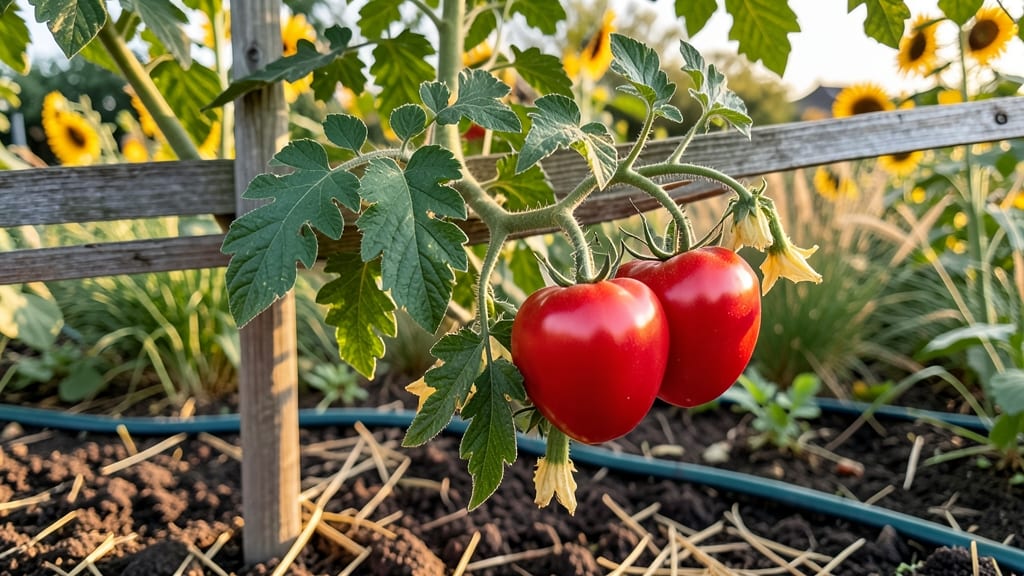
Proper beefsteak tomato spacing determines whether your plants grow into disease-resistant giants or sad, crowded bushes fighting for every drop of water.
If you’ve ever watched your 🍅 beefsteak tomatoes struggle with blight because the leaves never dry, or seen your heirloom harvest shrink to the size of golf balls, you’re not alone. The fix isn’t more fertilizer or pruning—it’s the 2-3 feet of space you’ve been ignoring between plants.
Beefsteak tomatoes aren’t just big fruit—they’re tall, sprawling vines that need room to breathe. Too close, and you’re inviting fungal infections, stunted growth, and a 50% yield loss before the first harvest. Too far apart, and you waste precious garden real estate.
Below, I’ll show you the exact spacing for both in-ground and container gardens, plus how to squeeze extra plants into small spaces without sacrificing airflow.
Ready to turn your beefsteak tomatoes from struggling underachievers into the juicy, disease-free giants they’re meant to be? Let’s get started.
Optimal beefsteak tomato spacing: how far apart should they be?
Growing beefsteak tomatoes isn’t just about rich soil and sunlight—it’s about giving them the right amount of space to reach their full potential. These heavy-fruited varieties need room to breathe, or you’ll end up with stunted growth, disease, and fewer tomatoes.
I’ve learned the hard way that crowding turns your dream harvest into a leafy disappointment.
Beefsteak tomatoes come in two main types: determinate (bush-type) and indeterminate (vining). Each needs different spacing, and getting this wrong can slash your yield by 30-50%. Let’s break down the science-backed spacing rules to maximize airflow, sunlight, and those pound-heavy tomatoes you’re craving.
For indeterminate beefsteak tomatoes, the 24-36 inch spacing isn’t just about preventing leaf overlap—it’s about creating a microclimate that reduces humidity around the foliage. When plants are too close, moisture lingers, creating the perfect conditions for early blight and fungal diseases.
I once lost an entire row of heirloom beefsteaks because I crammed them 18 inches apart—don’t make my mistake!
If you’re growing in containers, the rules change slightly. A 5-gallon pot can support one beefsteak tomato, but you’ll need to prune aggressively and use a cage or trellis to guide growth.
Dwarf varieties like ‘Better Boy’ or ‘Big Beef’ handle containers best, while standard beefsteaks will outgrow most pots by midsummer.
In USDA Zones 1-5, where growing seasons are shorter, I recommend closer spacing (18-24 inches) for determinate varieties. These bush-type tomatoes produce all their fruit at once, so maximizing plant density can boost your early harvest window.
Pair this with row covers to extend the season and protect from late frosts.
One of my biggest spacing breakthroughs came when I started using staggered rows instead of straight lines. By offsetting each row by 18 inches, I created a natural trellis effect that improved airflow between plants.
This simple trick increased my yield by 20% and made harvesting so much easier—no more tangled vines!
Proper plant depth is just as critical as spacing. Bury the stem up to one-third of the plant’s height when transplanting. This encourages stronger root systems and helps the plant recover faster. I’ve seen beefsteak tomatoes with double the root mass when planted correctly, leading to heavier fruit loads.
For vertical gardening, consider using tomato towers or A-frame trellises. These structures let you grow indeterminate beefsteaks in tight spaces while maintaining proper airflow. Just ensure the horizontal spacing between plants on the trellis matches the 24-36 inch guideline—crowding on a trellis doesn’t solve the problem!
Remember, spacing isn’t static. As your beefsteak tomatoes grow, you’ll need to prune suckers and trim lower leaves to maintain airflow. I prune every 10-14 days during peak growth to keep the center of the plant open.
This might seem like extra work, but it’s the difference between a few large tomatoes and a bush full of small, diseased fruit.
Finally, don’t forget that companion planting can influence spacing needs. Pairing beefsteaks with basil or marigolds not only deters pests but also creates a natural airflow corridor. Just avoid planting near corn or fennel, which compete for nutrients and space
5 Common spacing mistakes that stunt beefsteak tomato growth
Your beefsteak tomatoes might look healthy at first glance, but if they’re struggling to produce large, disease-free fruits, the issue could be hidden in your plant spacing. Too close together, and you’ll create a perfect storm of poor airflow, trapped moisture, and fungal infections like early blight.
These mistakes are sneaky—many gardeners don’t realize they’re sabotaging their harvest until it’s too late.
Proper spacing isn’t just about giving roots room to grow; it’s about preventing disease and ensuring each plant gets the sunlight and nutrients it needs. A single misstep can reduce your yield by 30-50% and leave your tomatoes vulnerable to pests.
Let’s break down the five most common spacing mistakes and how to fix them before your plants suffer.
Warning: These Spacing Mistakes Are Killing Your Beefsteak Tomatoes
Overcrowding forces plants to compete for water, sunlight, and nutrients, stunting growth and inviting fungal diseases. Here’s how to spot the red flags:
- Yellowing leaves on lower stems (sign of poor airflow)
- Wilting even after watering (roots are overcrowded)
- Black or brown spots on leaves (early blight from trapped moisture)
Mistake #1: Planting too close in rows. Many gardeners follow generic spacing charts but don’t account for the mature size of beefsteak tomatoes, which can sprawl 3-6 feet wide with proper care.
If you’re planting them 18 inches apart in rows 24 inches apart, you’re setting them up for failure. This tight spacing creates a microclimate where humidity lingers, and leaves stay wet longer—perfect conditions for fungal spores to thrive.
Mistake #2: Ignoring vertical space. Beefsteak tomatoes are indeterminate, meaning they grow continuously until frost. If you’re not giving them room to vine upward, their energy gets diverted to reaching for light instead of producing fruit.
Without a trellis or cage, vines sprawl, shading lower leaves and creating dark, damp pockets where diseases fester. Even in containers, failing to account for height growth leads to tangled, stressed plants.
Mistake #3: Skipping row spacing adjustments. The gap between rows of plants is just as critical as the space between individual plants. If your rows are less than 36 inches apart, you’ll struggle with weeding, airflow, and disease management.
Narrow rows force you to walk through the garden, compacting soil and damaging roots. Plus, trapped moisture in tight rows accelerates root rot and blight.
Mistake #4: Crowding in containers. Container gardening is great for small spaces, but overpacking tomato plants into pots leads to root competition and nutrient depletion. A single beefsteak tomato needs at least a 5-gallon container to thrive.
If you’re squeezing two plants into one, they’ll compete for water, leading to smaller fruits and stunted growth. Always follow the "one plant per 5 gallons" rule for beefsteaks.
Mistake #5: Not accounting for companion plants. Some gardeners space tomatoes correctly but overlook how nearby plants affect airflow. Tall plants like corn or sunflowers can shade tomatoes, while dense ground covers like hostas trap moisture against stems.
Even low-growing herbs can block airflow if planted too close. Always leave a 12-inch buffer around your tomatoes to maintain circulation.