
Vegetables
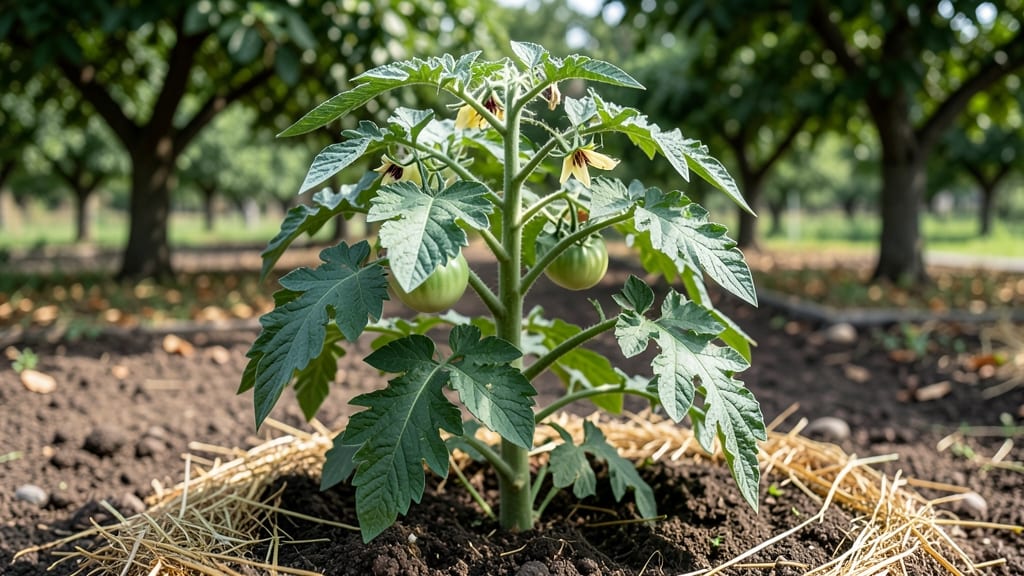
Growing beefsteak tomato sprouts from seed means juicy, 1-pound fruits on your vine by summer—if you nail the early stages. 🌱 The secret isn’t fancy equipment; it’s getting those tiny seeds just right in moisture, warmth, and light before they even crack the soil.
I’ve lost count of how many times I’ve watched seedlings collapse from overwatering or cold drafts, but these tips will keep yours strong from day one.
Start with a seed-starting mix (not garden soil) and plant seeds ¼ inch deep in small pots or a seed tray. Keep the soil consistently moist—not soggy, not dry—using a spray bottle to avoid disturbing the seeds.
A heat mat set to 75-80°F speeds up germination, which should happen in 5-10 days. If your kitchen’s too cold, a sunny windowsill works, but expect slower sprouts.
Once those first green leaves appear, harden off your seedlings by exposing them to outdoor conditions for 1-2 weeks before transplanting. Look for sturdy stems and dark green leaves—these are your signs of a healthy sprout ready to handle the garden.
Damping-off (a fuzzy mold at the soil line) is the biggest enemy here, so avoid overcrowding and keep airflow good.
By the time you’re ready to transplant, your beefsteak sprouts should be 3-4 inches tall with 4-6 true leaves. Choose a sunny spot with room to grow—these tomatoes need 6-8 feet of vertical space to support their weight.
The payoff? Heirloom-sized tomatoes that’ll have your neighbors asking for cuttings. Let’s get those seeds sprouting!
📚 In This Guide
- What you need
- Instructions
- Tips and common mistakes
- Wrapping up and next steps
What you need
- ● Beefsteak tomato seeds: Choose heirloom or hybrid varieties like 'Brandywine,' 'Cherokee Purple,' or 'Big Beef' (10–20 seeds per vertical setup).
- ● Vertical garden structure: Tower gardens: 4–6 ft tall (e.g., AeroGarden, fabric pockets, or DIY PVC pipes with net pots).
- ● Wall-mounted planters: Deep pockets (6+ inches) or hanging baskets with sturdy supports.
- ○ Growing medium: Lightweight, well-draining mix (50% coco coir, 30% perlite, 20% compost). Optional: Add worm castings for extra nutrients.
- ● Containers/pots: 4–6 inch biodegradable pots or net cups for seedlings (pack of 50–100).
- ● Support system: Small stakes or tomato cages (3–4 ft tall) for indeterminate varieties.
- ● Basic tools: Pruning shears, gloves, and a small trowel.
- ● Watering supplies: Spray bottle (for seedlings) + drip irrigation or watering can with a long spout.
- ● Fertilizer: Seedling stage: Balanced liquid fertilizer (5-5-5 or fish emulsion).
- ● Growth stage: Tomato-specific fertilizer (high in potassium/phosphorus, e.g., 10-10-10 or 5-10-10).
- ● Sunlight access: 6–8+ hours of direct sunlight daily (south-facing window or grow lights for indoor setups).
- ○ pH testing kit: Optional but helpful to maintain soil pH (6.0–6.8 for tomatoes).
- ● 🌡️ Temperature control: Keep seedlings warm (70–80°F) with a heat mat if needed.
- ● ✨ Space-saving hack: Train vines with soft ties or twine to guide growth vertically.
- ● 🔄 Pruning: Remove suckers (side shoots) to focus energy on fruit production.
Step-by-step guide to cultivating beefsteak tomato sprouts vertically
Transform your beefsteak tomato plants into vertical giants with this space-saving, high-yield system.
🌱 Step 1: Select and Prepare the Vertical Support Structure
Choose a sturdy 6-foot tall trellis or tower system designed for indeterminate tomatoes. I prefer the A-frame style because it naturally guides vines upward without tangling. Assemble your structure in a location with full sun exposure—beefsteak varieties need 8+ hours daily to develop their signature size. Anchor the base securely; these plants will grow 10+ feet tall if given proper support.
Before planting, apply a 2-inch layer of compost around the base of the trellis. This improves drainage while providing essential nutrients for the deep root systems beefsteak tomatoes develop. The compost also helps stabilize the structure as the plant's weight increases. I like to mix in a handful of mycorrhizal fungi to boost root development—these beneficial microbes form symbiotic relationships with tomato roots, enhancing nutrient uptake.
🌿 Step 2: Plant Seedlings at the Correct Depth and Spacing
Dig a hole twice as wide as the root ball but no deeper than the container's base. Beefsteak tomato seedlings should sit at the same depth they were in their nursery pots—burying too deep can cause stem rot, while planting too shallow leads to weak anchoring. Gently remove the seedling from its container and loosen any circling roots with your fingers before placing it in the hole.
Space your 4 plants at least 3 feet apart along the base of the trellis. This gives each plant room to develop its own strong root system while sharing the vertical support. As you backfill the hole, press the soil firmly around the roots to eliminate air pockets, but avoid compacting it too tightly. Water immediately after planting to settle the soil and remove any air gaps.
✂️ Step 3: Train Vines and Prune for Optimal Growth
When your beefsteak tomato plants reach 18 inches tall, begin training the main stem along the trellis using soft plant ties or old fabric strips. I tie the stem loosely at the first joint above the trellis wire—tightening too soon will restrict growth. As the plant grows, add additional ties every 12 inches to support the increasing weight. The goal is to guide the main stem vertically while allowing side shoots to develop into fruit-bearing branches.
Prune suckers (the shoots that grow in the leaf axils) when they reach 2-3 inches long. These compete with fruit production for energy, so removing them redirects resources to the main stem and existing branches. I pinch suckers with my fingers rather than cutting—the smaller the wound, the faster it heals. Leave the first few suckers below the first flower cluster to encourage early fruiting, but remove all others above that point to maintain an open, airy plant structure.
💧 Step 4: Implement a Watering and Fertilization Schedule
Water your beefsteak tomatoes at the base 1-2 times weekly, delivering 1-2 gallons per plant each time. The deep watering encourages roots to grow downward rather than staying shallow. I water in the morning to allow foliage to dry before evening, which helps prevent fungal diseases like early blight. Check soil moisture by sticking your finger 2 inches deep—if it feels dry, it's time to water.
Feed your plants every 2-3 weeks with a balanced organic fertilizer (10-10-10 or similar) mixed at half-strength. Beefsteak tomatoes are heavy feeders, but too much nitrogen leads to lush foliage at the expense of fruit. I switch to a low-nitrogen, high-phosphorus fertilizer (like 5-10-10) once flowers appear to promote better fruit set. Always water before fertilizing to prevent root burn.
☀️ Step 5: Monitor and Maintain Through Fruit Development
As your beefsteak tomatoes grow, watch for signs of stress like yellowing leaves or blossom end rot. These often indicate calcium deficiency or inconsistent watering. If you see these symptoms, apply a calcium supplement (like crushed eggshells) to the soil and maintain even moisture. The large fruit of beefsteak tomatoes draws heavily on plant resources, so consistent care is essential.
When fruits reach 3-4 inches in diameter, begin harvesting regularly to encourage continued production. The weight of beefsteak tomatoes can cause branches to break if left too long. I harvest in the morning when fruits are cool and firmest. After each harvest, give the plant a light pruning to remove any diseased leaves or spent flower clusters, which helps improve air circulation and reduce disease risk.
Tips & tricks for perfect beefsteak tomato sprouts
Here's what nobody tells you about maximizing your beefsteak tomato harvests in vertical gardens.
Support System Stability: When assembling your 6-foot trellis, bury the base posts at least 12 inches deep and stake them with additional supports if your garden gets windy. I learned this the hard way after watching a perfectly trained plant topple during a summer storm. The weight of beefsteak tomatoes—especially when laden with fruit—can stress even sturdy structures. Consider adding diagonal bracing for extra stability, particularly in exposed locations.
Root Development Hack: Before planting, create small air pockets around the roots by gently pressing your finger into the soil after backfilling. This mimics natural root aeration and encourages deeper root growth, which beefsteak varieties desperately need. I also add a handful of perlite to the planting hole to improve drainage without compromising moisture retention. The goal is to create an environment where roots can expand rapidly downward while maintaining stability.
Pruning Precision: When pinching suckers at the 2-3 inch mark, focus on removing them cleanly at the base rather than tearing them. Use your thumbnail to make a precise cut just above the leaf axil—this minimizes wound size and reduces the risk of infection. I've found that suckers removed this way heal faster and produce less stress on the main stem. For larger suckers, use clean pruning shears to avoid damaging the main stem. Remember, the first few suckers below the first flower cluster should be left to encourage early fruiting.
Harvest Timing Strategy: Harvest your beefsteak tomatoes in the morning when they're coolest and firmest. The 3-4 inch diameter guideline is perfect, but also check for the characteristic deep red blush that indicates ripeness. I harvest every 2-3 days during peak production to prevent fruit from overloading branches. Use a sharp knife to cut stems rather than twisting—this reduces damage to the plant and helps prevent disease entry points. Store harvested tomatoes in a single layer at room temperature, never in the fridge, to preserve their flavor and texture.
Pro Tips for Beefsteak Tomato Sprouts
- Here's what nobody tells you about maximizing your beefsteak tomato harvests in vertical gardens.
- Support System Stability: When assembling your 6-foot trellis, bury the base posts at least 12 inches deep and stake them with additional supports if your garden gets windy.
- Root Development Hack: Before planting, create small air pockets around the roots by gently pressing your finger into the soil after backfilling.
Frequently asked questions
Got questions about growing beefsteak tomato sprouts? You’re not alone!
Here are some of the most common queries—plus practical answers to help you cultivate a thriving vertical garden.
How long does it take for beefsteak tomato sprouts to germinate?
Beefsteak tomato seeds typically sprout within 7–14 days when kept in warm (70–85°F), moist conditions. Use a seedling heat mat if your space is chilly, and mist the soil lightly daily. Patience pays off—don’t overwater, or seeds may rot!
When can I transplant beefsteak tomato sprouts outdoors?
Wait until after the last frost and when nighttime temps stay above 55°F (13°C). Harden off seedlings (acclimate to outdoor conditions) for 7–10 days before transplanting. Choose a sunny spot with 6–8+ hours of light daily—these giants need room to stretch!
What are some alternatives if my beefsteak tomato sprouts don’t thrive?
If sprouts struggle, try cherry tomatoes (faster-growing, compact) or roma tomatoes (disease-resistant). For vertical gardens, bush beans or pepper varieties like ‘Jalapeño’ also thrive in limited space. Rotate crops yearly to prevent soil depletion! ↻
Why are my beefsteak tomato sprouts wilting or turning yellow?
Wilting often signals overwatering or root rot—let soil dry slightly between waterings. Yellow leaves may mean nutrient deficiency (try a balanced fertilizer) or pests like aphids. Inspect undersides of leaves and spray with neem oil if needed.
How much space do beefsteak tomato plants need in a vertical garden?
Beefsteak tomatoes need 18–24 inches of vertical space and 12–18 inches of width per plant. Use a sturdy trellis or tower system to support their weight (up to 1–2 lbs per tomato!). Prune suckers regularly to encourage upward growth and airflow.
Can I grow beefsteak tomatoes indoors under grow lights?
Yes! Use full-spectrum LED grow lights (12–16 hours/day) and keep them 6–12 inches above seedlings. Supplement with a tomato-specific fertilizer every 2–3 weeks. Just ensure good airflow to prevent fungal issues—these plants are heavy feeders!
Wrapping up and next steps
Growing beefsteak tomato sprouts in a vertical garden isn’t just clever—it’s a game-changer for maximizing space and reaping juicy, homegrown rewards. 🌱 With the right setup, patience, and care, you’ll soon be savoring tomatoes so ripe and flavorful they’ll make store-bought options seem like a distant memory.
Whether you’re a seasoned gardener or just starting out, this method proves that big harvests don’t need big yards—just a little creativity!
Ready to dive in? Start small—pick a sunny spot, gather your supplies, and let those sprouts climb toward their full potential. Your future self (and your taste buds) will thank you!