
Container Gardens
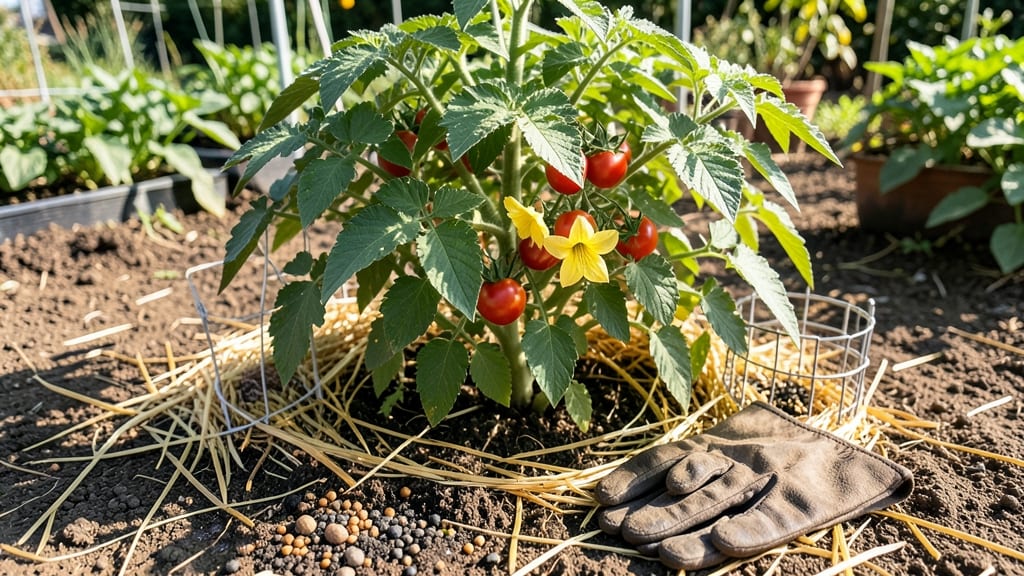
Here are some better bush tomato growing tips—my plants produce three times the yield in the same space as indeterminate varieties, with no staking, no sprawling vines, just a compact plant that keeps giving. 🌿 The secret isn’t fancy tricks; it’s matching their needs to your growing conditions, whether in containers or raised beds.
I’ll show you how to get those glossy green leaves and endless clusters of fruit without the headache of traditional tomatoes.
Start with the right soil mix—light, well-draining, and packed with compost. Bush tomatoes hate soggy roots, so containers with drainage holes are a game-changer.
Place them where they’ll get 6-8 hours of sunlight daily, and water consistently (about 1 inch per week), letting the top inch of soil dry between waterings. Prune only to remove suckers—no heavy trimming needed—and feed with balanced fertilizer every 3-4 weeks.
You’ll end up with plants that stay productive for 4-6 weeks longer than store-bought varieties, and the flavor? Unmatched. The key is avoiding common mistakes like overwatering, crowding plants, or skipping support for heavy fruit clusters. With these adjustments, even small balconies or windowsills can become tomato powerhouses.
Works for container gardens, raised beds, or in-ground plots—just adjust spacing (18-24 inches apart) and support as needed. Whether you’re growing cherry tomatoes or beefsteaks, these tips keep them thriving all season. Let’s get those plants loaded with fruit!
📚 In This Guide
- What you need
- Instructions
- Tips and common mistakes
- Wrapping up and next steps
What you need
- ● Container or Raised Bed: Minimum 5-gallon container per plant (bigger is better for larger varieties).
- ● Ensure containers have drainage holes (or drill them yourself!).
- ○ Optional: Self-watering containers for convenience.
- ● High-Quality Potting Mix: 1 part premium potting soil (e.g., Miracle-Gro or FoxFarm).
- ● 1 part perlite or vermiculite (for drainage).
- ● 1 part compost or worm castings (for nutrients).
- ● Bush Tomato Seeds or Seedlings: Dwarf or determinate varieties (e.g., Tiny Tim, Patio Princess, or Micro Tom).
- ● 2-3 seeds per container (thin to the strongest seedling).
- ● Fertilizer: Balanced fertilizer (e.g., 10-10-10 or 5-5-5) for planting.
- ● Tomato-specific fertilizer (high in phosphorus/potassium) when flowering/fruiting.
- ○ Support (Optional but Helpful): Small cage or stake (4-6 inches tall) to prevent sprawling.
- ● Trellis for vertical growth (if using tall varieties).
- ● Grow lights (for indoor or low-light setups).
- ● pH test kit (ideal pH: 6.0-6.8).
- ● Mulch (straw or shredded leaves) to retain moisture.
- ● Pruning shears (for trimming suckers or dead leaves).
- ● Spray bottle (for gentle watering of seedlings).
Step-by-step instructions for growing bush tomatoes like a pro
Here’s how to cultivate determinate tomato varieties that produce heavy yields in compact spaces—no sprawling vines required.
🌱 Step 1: Choose the Right Variety and Planting Time
Bush tomatoes thrive in determinate varieties like ‘Patio’, ‘Tiny Tim’, or ‘Balcony Red’. These stay compact (2–3 feet tall) and produce fruit all at once, perfect for containers or small gardens. Start seeds indoors 6–8 weeks before your last frost—they germinate best at 75–85°F and sprout in 5–10 days. If buying transplants, pick stocky, dark-green seedlings with no flowers (they’ll focus on roots first).
Real talk: Avoid tall indeterminate types—they’ll outgrow your space and flop. Bush tomatoes ripen faster too, so you’ll get harvests 2–3 weeks earlier than vining varieties. Plant after soil warms to at least 60°F—cold roots stunt growth.
☀️ Step 2: Position for Maximum Sun and Airflow
Bush tomatoes need full sun (8+ hours daily) and strong airflow to prevent disease. In containers, use 5-gallon pots or larger—smaller pots dry out fast and limit root growth. Place pots on elevated stands (like cinder blocks) to improve drainage and airflow at the base. If growing in-ground, space plants 18–24 inches apart in rows 2–3 feet apart for airflow.
Here’s the thing—if leaves touch, prune aggressively. Crowding invites fungal issues like early blight. I stake mine with 3-foot bamboo stakes at planting to support the weight of fruit later. No staking? Use tomato cages designed for bush types—they’re wider and sturdier.
💧 Step 3: Water Deeply and Consistently
Bush tomatoes hate moisture stress. Water deeply 1–2 times per week (more in heatwaves) until soil is damp 6 inches down. Use a soaker hose or drip irrigation to keep leaves dry—wet foliage breeds disease. Mulch with 2–3 inches of straw or shredded leaves to retain moisture and suppress weeds. You’ll know you’re nailing it when the top inch of soil feels dry to the touch before watering again.
Don’t overwater now. Yellowing leaves often mean too much water, not too little. Bush tomatoes are drought-tolerant once established, but they’ll protest by dropping blossoms if roots dry out. A self-watering container solves this—just refill the reservoir weekly.
✂️ Step 4: Prune for Bushier Growth and Better Fruit
Prune suckers (the shoots that grow in the leaf axils) weekly to encourage bushier growth. Use clean, sharp pruners and cut suckers at the base—never leave stubs. Remove lower leaves that touch soil to prevent rot. For bush types, prune back 1/3 of the plant after the first flush of fruit sets—this redirects energy to larger, sweeter tomatoes rather than more but smaller ones.
Watch for yellowing lower leaves—this is normal aging, but if it spreads upward, check for aphids or blight. Spray with neem oil at the first sign. I also pinch off early flowers if seedlings look stressed—they’ll rebound and produce a heavier harvest later.
🍅 Step 5: Harvest and Extend the Season
Pick tomatoes when they’re fully colored and slightly soft to the touch. Harvesting regularly triggers more fruit production. In warm climates, prune back plants after the first harvest to encourage a second flush. For cooler areas, use row covers to protect plants into fall—bush tomatoes can keep producing until first frost. Store ripe tomatoes at room temperature (never refrigerate—it ruins flavor).
Here’s the pro move: Save seeds from your best tomatoes. Scoop out the gel, rinse seeds, and dry them on a paper towel for 2 weeks. Label them by variety—next year, you’ll have heirloom-quality plants tailored to your microclimate.
Tips & tricks for perfect bush tomato cultivation
These game-changing insights will help you maximize your compact tomato harvests with minimal fuss.
Variety Matters: Stick to certified disease-resistant varieties like 'Patio' or 'Balcony Red' for your containers. These determinate types produce fruit simultaneously, making them ideal for small spaces. I've found that starting seeds indoors at 75-85°F gives you a 2-3 week head start on garden center transplants. Use a heat mat if your home stays cool—consistent warmth is key for germination.
Container Strategy: For container growing, use at least 5-gallon pots with drainage holes to prevent root rot. I swear by elevated stands (like cinder blocks) to improve airflow at the base—this prevents fungal diseases that thrive in damp soil. If you're planting multiple containers, space them 18-24 inches apart to maintain airflow between plants, just like the in-ground spacing instructions.
Pruning Precision: The weekly sucker removal in Step 4 is non-negotiable for bush types. Use clean pruners and make cuts at the base to prevent disease entry points. Here's what I learned the hard way: prune back 1/3 of the plant after the first fruit sets to redirect energy to larger tomatoes. This might seem counterintuitive, but it actually increases your yield quality significantly.
Season Extension: Don't let your harvest end with the first frost! Use row covers to extend the season by several weeks. I've kept my bush tomatoes producing until November in my zone 6 garden. For containers, move them to a protected location like a garage or sunroom during cold snaps. Just bring them back outside when temperatures rise above 50°F to prevent shock.
Pro Tips for Better Bush Tomato Growing Tips
- These game-changing insights will help you maximize your compact tomato harvests with minimal fuss.
- Variety Matters: Stick to certified disease-resistant varieties like 'Patio' or 'Balcony Red' for your containers.
- Container Strategy: For container growing, use at least 5-gallon pots with drainage holes to prevent root rot.
Frequently asked questions
Got questions about growing bush tomatoes? You’re not alone! Here are some of the most common queries—and their easy solutions—to help you cultivate a thriving harvest, no matter your experience level.
How long does it take for bush tomatoes to bear fruit?
Bush tomatoes typically start producing fruit 60–70 days after transplanting, depending on the variety and growing conditions. Early-season varieties like ‘Tiny Tim’ or ‘Patio Princess’ may fruit sooner (as early as 50 days), while heirlooms can take a bit longer. Pro tip: Ensure they get full sun (6+ hours daily) and consistent watering to speed up fruiting!
Can bush tomatoes grow in containers year-round?
In warm climates (zones 9–11), bush tomatoes can thrive in containers year-round! However, in cooler zones, move pots indoors during winter or use a greenhouse. Key tips: Use well-draining soil, provide grow lights (12–14 hours/day), and keep temps above 50°F (10°C). Bonus: Dwarf varieties like ‘Micro Tom’ are perfect for small spaces!
What’s the best way to prevent pests like aphids or whiteflies?
Prevent pests with preventative care: Inspect plants weekly, remove yellowing leaves, and use neem oil (1 tsp per quart of water) as a spray. Natural predators like ladybugs or lacewings can also help! For severe infestations, isolate affected plants and treat with insecticidal soap. Pro tip: Avoid over-fertilizing with nitrogen—it attracts pests!
Why are my bush tomato leaves turning yellow?
Yellow leaves often signal overwatering, underwatering, or nutrient deficiencies. Check the soil: it should stay consistently moist but not soggy. Yellowing on lower leaves? Likely overwatering or poor drainage. Yellowing with brown edges? Underwatering or too much salt. Adjust care and fertilize lightly with a balanced 10-10-10 mix if needed.
Can I grow bush tomatoes indoors without sunlight?
Yes! Use LED grow lights (full-spectrum, 12–16 hours/day) placed 6–12 inches above plants. Choose compact varieties like ‘Balcony Red’ or ‘Tumbling Tom.’ Ensure good airflow (a small fan helps), and rotate pots weekly for even growth. Warning: Avoid drafts—tomatoes hate cold winds!
Wrapping up and next steps
Growing bush tomatoes in small spaces is totally doable—and with these tips, you’ll enjoy a year-round harvest of flavorful, homegrown goodness! 🌱 Whether you’re a beginner or a seasoned gardener, the key lies in proper spacing, smart sunlight management, and consistent care.
Now that you’re armed with the best techniques, it’s time to roll up your sleeves and get planting!
Ready to take the next step? Start small—try a single container or a few plants—and watch your confidence (and harvest!) grow. Happy gardening! 🌿