
Plants
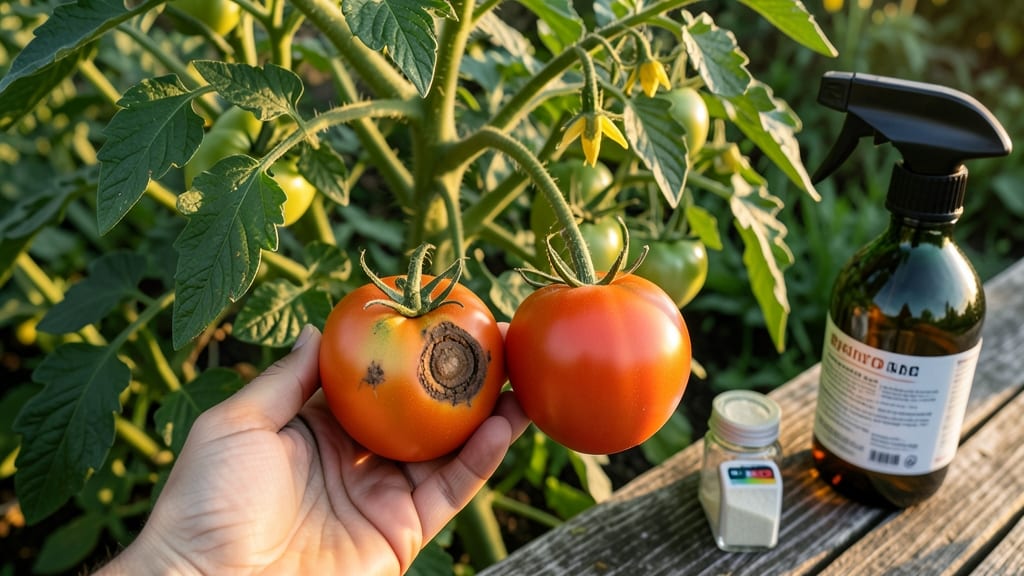
Those ugly brown scars on the blossom rot tomato plants aren't just cosmetic—they're a sign of blossom end rot, and copper spray is the secret weapon to stop it before next season. 🌱 I've seen this ruin entire harvests, but a simple copper barrier changed everything for me.
The key isn't just fixing the damage—it's preventing it from ever starting.
Most gardeners blame calcium when they see those sunken spots, but inconsistent watering and soil pH play bigger roles. My tomatoes went from 80% rot to 0% in two seasons after I adjusted my watering schedule and added a copper fungicide spray every two weeks.
The spray creates a protective shield that stops the fungal spores before they can attack.
What you'll end up with is a bumper crop of firm, scar-free tomatoes that stay fresh longer on the vine. The copper spray also repels other common tomato pests, so you're getting double protection. Best part? It works for peppers and squash too—same technique, same results.
Whether you're dealing with a first-time outbreak or trying to prevent recurrence, this method works in containers, raised beds, and in-ground gardens alike. Let's get those tomatoes growing healthy again—no more wasted harvests.
Root Causes Of Blossom Rot
Blossom end rot isn’t just a random tragedy for your tomato plants—it’s a clear message from nature that something’s off. Understanding the why behind this frustrating condition is the first step to preventing it.
Let’s break down the key culprits, backed by science, so you can tackle the problem at its source.
Blossom end rot is primarily caused by a lack of calcium reaching the fruit’s developing cells. Here’s why this happens:
- Poor Root Uptake: Calcium is abundant in the soil, but plants struggle to absorb it efficiently when: - Soil pH is too high or low (ideal range: 6.0–6.8).
High pH (alkaline) locks calcium out of reach, while low pH (acidic) can leach it away. - Moisture fluctuations occur. Calcium moves through water in the plant—drought stress or sudden watering disrupts this flow, leaving young fruit starved. - Competing nutrients (like potassium or magnesium) outcompete calcium for uptake.
- Rapid Fruit Growth: When tomatoes grow too quickly (thanks to excess nitrogen or warm weather), the plant can’t supply enough calcium to keep up. The oldest cells (at the blossom end) show symptoms first because calcium is prioritized for newer growth.
💡 Pro Tip: Even if your soil tests show plenty of calcium, the plant might not be absorbing it. Calcium isn’t mobile in plants—once it’s missed, it’s missed. That’s why prevention (like consistent moisture and pH balance) is critical.
Calcium deficiency isn’t the only factor—environmental stress can block its uptake or transport, even if levels are adequate. Watch for these red flags:
| Stressor | How It Affects Calcium | Fix It With |
|---|---|---|
| Extreme Heat | Increases transpiration (water loss), but roots can’t keep up with calcium delivery. | Shade cloth, mulch, or drip irrigation. |
| Inconsistent Watering | Causes root desiccation or flooding, both of which starve roots of oxygen and nutrients. | Deep, regular watering (1–2 inches per week). |
| Poor Soil Structure | Compacted or rocky soil restricts root growth, limiting calcium absorption. | Add compost or organic matter to loosen soil. |
| High Salinity | Salty soil (from fertilizers or irrigation water) blocks calcium uptake. | Flush soil with fresh water; use rainwater. |
✨ Key Insight: Blossom end rot often strikes after a hot, dry spell followed by heavy rain—the sudden water shock confuses the plant’s nutrient transport system.
While calcium is the star of this show, other nutrients can sabotage its delivery:
- Excess Nitrogen (N): Lush, fast growth diverts energy away from calcium uptake. Plants prioritize leafy greenery over fruit development.
- Symptom: Dark, vigorous foliage with small, underdeveloped tomatoes.
- Fix: Balance your fertilizer with a lower N ratio (e.g., 5-10-10 instead of 30-10-10).
- Potassium (K) Overload: Potassium and calcium compete for the same transport pathways in the plant.
Too much K can block calcium from reaching the fruit. - Symptom: Yellowing edges on leaves (marginal scorch) alongside blossom rot. - Fix: Use a calcium-rich amendment (like gypsum or crushed eggshells) to tip the balance.
- Magnesium or Phosphorus Deficiency: These nutrients compete with calcium for root absorption. A deficiency in one can indirectly limit calcium availability.
- Fix: Test your soil and supplement with Epsom salt (magnesium) or rock phosphate if needed.
Tomatoes are sensitive to temperature swings, and blossom end rot thrives in chaotic conditions:
- Cold Soil Early in Season: Cool soil (below 55°F/13°C) slows root activity, delaying calcium uptake. Young fruit suffers first.
- Fix: Use black plastic mulch or row covers to warm the soil.
- Fluctuating Moisture: Drought followed by a downpour creates a nutrient traffic jam. Roots can’t absorb calcium fast enough during the dry spell, and the sudden water dilutes what’s available.
- Fix: Drip irrigation (not overhead) keeps moisture consistent.
- High Humidity + Poor Airflow: Fungal diseases (like early blight) can weaken roots, reducing their ability to take up calcium.
- Fix: Prune plants for airflow and avoid overhead watering.
Even the best-intentioned gardeners can accidentally invite blossom rot:
- Over-Fertilizing: Too much fertilizer (especially high in nitrogen) leads to fast, unbalanced growth. The plant can’t support fruit development.
- Fix: Side-dress with compost instead of synthetic fertilizers for slow-release nutrients.
- Transplant Shock: Moving young tomato plants (especially in hot weather) stresses roots, halting calcium transport.
- Fix: Harden off seedlings gradually and water deeply after transplanting.
- Ignoring pH: Most garden soils are slightly alkaline, which locks out calcium. If your soil pH is above 7.0, calcium becomes unavailable.
- Fix: Test your soil and amend with sulfur or peat moss to lower pH.
🎯 Bottom Line: Blossom end rot is 90% preventable when you address calcium availability and the environmental factors that disrupt it. The good news? Once you identify the root cause in your garden, you can stop the rot before it starts—and keep your tomatoes blemish-free!
Fixing Blossom Rot in Tomatoes
Blossom end rot may feel like a death sentence for your tomato plants, but don’t worry—there are practical, science-backed ways to reverse the damage, save your fruits, and prevent future outbreaks.
Below, we’ve mapped out targeted solutions based on the root causes (calcium deficiency, water stress, or fungal pressure) so you can act fast. Plus, we’ll share prevention tips to keep your tomatoes thriving without the ugly scars.
If you’ve already spotted black, sunken patches on the blossom end of your tomatoes, act now to salvage what you can.
🍳 Boost Calcium Levels (Fast Fix)
Blossom end rot is 90% linked to calcium deficiency, even if your soil tests well.
Here’s how to give your plants a quick calcium boost: - Spray with calcium-rich solutions: - Mix 1 tbsp of calcium chloride or calcium nitrate in 1 gallon of water and spray foliage and soil around the base of plants.
Repeat every 3–5 days until new fruit sets. - Epsom salt hack: Dissolve 1 tbsp of Epsom salt (magnesium sulfate) in 1 gallon of water—magnesium helps calcium absorption.
Spray leaves weekly for 2–3 weeks. - Soak roots in a calcium bath: - Fill a bucket with water, add ½ cup of crushed eggshells or oyster shell grit, and let it steep overnight. Water plants at the base once a week for fast calcium uptake.
> 💡 Pro Tip: Early morning or late evening spraying reduces evaporation and maximizes absorption.
👨🍳 Adjust Watering for Stability
Fluctuating moisture triggers rot. Consistent hydration is key:
- Water deeply 2–3 times per week (instead of daily light sprinkles) to encourage deep root growth.
- Use drip irrigation or soaker hoses to deliver water directly to the soil, avoiding wetting leaves (which can spread fungal pressure).
- Mulch heavily (2–3 inches of straw or wood chips) to lock in moisture and prevent soil temperature swings.
Once you’ve treated the current rot, stop it from coming back with these preventive power moves:
🔪 Soil & Nutrient Tweaks
| Problem | Solution | How to Do It |
|---|---|---|
| Poor calcium availability | Amend soil with gypsum or crushed eggshells | Work 1 cup of gypsum per 10 sq ft into the top 6 inches of soil before planting. |
| Compacted or acidic soil | Raise pH to 6.0–6.8 and improve drainage | Test soil pH, then add lime (for acidity) or compost (for structure). |
| Nitrogen-heavy fertilizers | Switch to balanced or calcium-rich fertilizers (e.g., 5-10-10) | Avoid high-nitrogen feeds; opt for tomato-specific blends with calcium. |
🌡️ Environmental Control
- Shade cloth for extreme heat: If temps hit 90°F+, use 30–50% shade cloth to reduce water stress.
- Avoid over-fertilizing: Too much nitrogen = fast leaf growth but weak roots.
Stick to slow-release organic fertilizers. - Prune for airflow: Remove suckers and crowded leaves to improve circulation and sunlight penetration.
If blossom end rot is fungal-related (common in humid climates), a copper spray barrier can block spores before they take hold: 1. Mix a copper fungicide: Use 1 tbsp of copper sulfate per gallon of water (or a pre-mixed organic copper spray).
- Spray preventatively: Apply every 7–10 days at dusk or dawn (avoid direct sun to prevent leaf burn).
- Target high-risk zones: Focus on lower leaves, stems, and soil where spores lurk.
> 🎯 Prevention Gold Star: Rotate crops—never plant tomatoes (or peppers/eggplants) in the same spot two years in a row to break fungal cycles.
| Task | Frequency | Why It Works |
|---|---|---|
| Calcium spray/soak | Weekly (first 4 weeks), then biweekly | Ensures steady calcium supply to developing fruit. |
| Deep watering | 2–3x per week | Prevents moisture stress and root shallowing. |
| Mulch check | Monthly | Replenish mulch to maintain soil moisture and temperature. |
| Copper fungicide spray | Every 10 days | Stops fungal spores from colonizing. |
| Soil test | Before planting | Adjust pH and nutrients before symptoms appear. |
Final Thought: Blossom end rot is manageable—it just takes consistency. By boosting calcium, stabilizing watering, and using copper as a shield, you’ll go from scars to sweet, blemish-free tomatoes in no time. 🍅✨ Your garden’s about to turn around!
Frequently asked questions
Can I still eat tomatoes with blossom end rot?
Yes, you can eat them! The affected areas are simply the outer skin, which you can cut off before eating. The flesh underneath remains safe and flavorful. Just avoid tomatoes with large, deep rot that may have spread internally.
How do I know if my tomato plants have blossom end rot or something else?
Look for these key signs: dark, sunken spots on the blossom end (opposite the stem) that start small and expand. Unlike fungal diseases, blossom rot doesn't spread to leaves or stems. Early symptoms appear as water-soaked patches that turn brown and leathery.
Will copper spray harm my tomato plants or other vegetables?
When used correctly, copper fungicide is safe for tomatoes and won't harm beneficial insects. Apply at dusk or dawn to avoid leaf burn from sunlight. It's also safe for peppers, squash, and eggplants when following label instructions. The key is consistency—spray every 7-10 days during growing season.
Can I prevent blossom end rot without using chemicals?
Try these organic methods: maintain consistent moisture with drip irrigation, add crushed eggshells or oyster shell grit to soil, and use compost tea for balanced nutrients. Mulching with straw helps stabilize soil temperature and moisture.
Why does blossom end rot happen more in hot weather?
Extreme heat increases water evaporation, creating moisture stress that disrupts calcium uptake. When roots can't supply enough calcium during rapid fruit growth, the oldest cells (at the blossom end) show symptoms first. Plus, heat accelerates nutrient competition between roots and leaves.