
Companion Plants
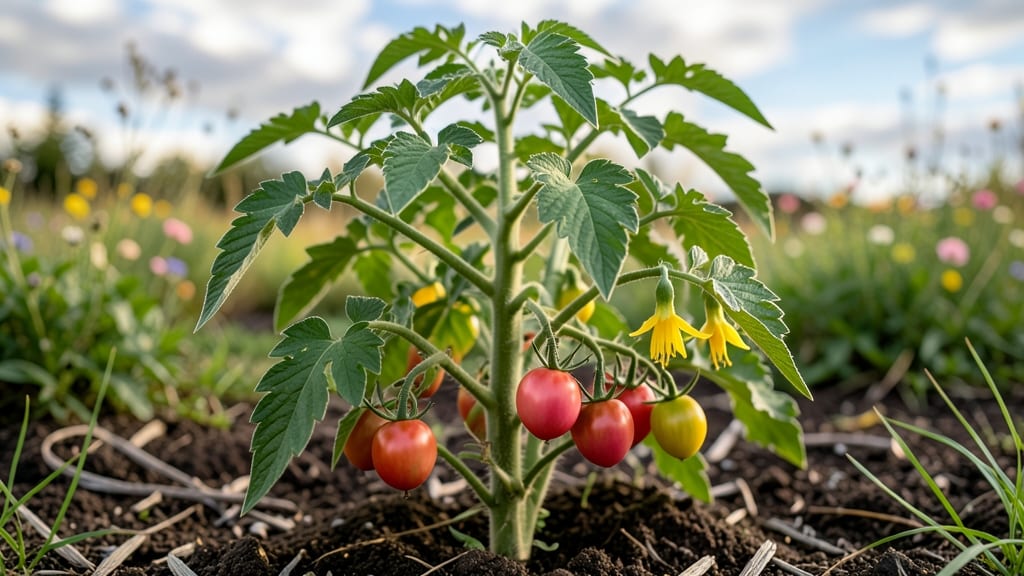
Brandywine tomato leaves are the first line of defense against blight—and the first place problems show up. 🌱 I’ve watched my own plants go from lush green to spotted and wilting, and I’ve learned the exact tricks to keep them thriving through summer’s worst threats.
The key isn’t just treating symptoms; it’s understanding why those leaves turn yellow, develop spots, or droop before the fruit even ripens.
Most issues start with water, light, or unseen fungal spores hiding in last year’s garden debris. Overwatering invites blight, while inconsistent moisture stresses plants into early wilting. Even nutrient deficiencies—like too little nitrogen or magnesium—can make leaves look like they’re begging for help.
The good news? Brandywine tomatoes are tougher than they look when you give them the right care from day one.
You’ll spot early signs of trouble—tiny brown spots, yellowing edges, or leaves curling like they’re searching for shade—and know exactly how to stop them before they spread.
A few simple adjustments (like spacing plants for airflow or using copper sprays as a preventative) can turn a struggling plant into a productive powerhouse by midsummer.
Whether you’re growing in a backyard plot, raised beds, or containers, these methods work. The secret? Catching problems early and treating them with organic solutions that won’t harm your soil—or your harvest. Let’s get those leaves healthy again.
Root Causes of Leaf Stress
Understanding why your Brandywine tomato plant leaves develop issues—whether yellowing, spotting, wilting, or curling—starts with identifying the underlying triggers. These heirloom plants are prized for their flavor and disease resistance, but even the hardiest varieties succumb to environmental and biological stressors.
Below, we break down the most common culprits behind leaf problems, backed by science and actionable insights.
Brandywine tomatoes thrive in consistent warmth (70–85°F) but struggle when temperatures swing too high or low. Extreme heat or cold disrupts cellular function, leading to:
- Heat Stress (Above 90°F):
- Leaves yellow, scorch, or crisp due to protein denaturation—heat damages enzymes critical for photosynthesis.
- Solution: Provide shade cloth (30–50%) during peak afternoon sun. Mulch with straw to cool soil roots and retain moisture.
- Cold Stress (Below 50°F):
- Leaves develop purple or black spots as chlorophyll breaks down, and growth stalls.
- Solution: Use row covers or black plastic mulch to warm soil. Avoid planting too early in cool climates.
- Frost or Freeze Damage:
- Ice crystals rupture cell walls, causing blackened, mushy leaves.
- Solution: Cover plants with frost blankets or cloche tunnels before overnight temps drop below 32°F.
Water is the lifeblood of tomato plants, but imbalances trigger leaf distress:
- Underwatering: - Leaves curl inward, wilt, or develop brown edges as cells lose turgor pressure. - Why? Roots can’t absorb enough water, and ethylene gas (a stress hormone) accumulates, signaling wilting. - Fix: Water deeply 1–2 inches per week (1.5–2 inches in sandy soil).
Use drip irrigation to avoid wetting leaves (reduces disease risk).
- Overwatering: - Yellowing leaves, mold, or root rot occur when soil stays soggy, cutting off oxygen to roots. - Why? Anaerobic conditions kill beneficial microbes and encourage fungal pathogens like Phytophthora. - Fix: Ensure well-draining soil (amend with compost or perlite).
Water only when the top 1–2 inches are dry.
- Inconsistent Moisture:
- Alternating drought and flood stresses plants, leading to blossom-end rot (a calcium uptake issue) and leaf scorch.
- Fix: Maintain even moisture with mulch (straw or grass clippings) to reduce evaporation.
Even blight-resistant Brandywines can fall prey to pathogens if conditions favor their spread:
- **Early Blight (Alternaria solani):
- Why? Fungal spores thrive in humid (75–90% RH) and warm (75–85°F) conditions, especially after overhead watering.
- Prevent: Space plants for airflow, remove infected leaves, and apply copper fungicide preventatively.
It’s more aggressive in 60–70°F temps with high humidity. - Act Fast: Remove infected plants immediately, avoid watering leaves, and spray with neem oil or copper fungicide.
- Bacterial Spot (Xanthomonas perforans):
- Why? Bacteria enter through wounds (e.g., from hail or pruning tools) and thrive in warm, rainy conditions.
- Control: Sterilize pruners with rubbing alcohol, avoid overhead watering, and use bacterial-resistant varieties if possible.
Pests sap nutrients and transmit diseases, weakening leaves:
- Aphids, Spider Mites, or Whiteflies:
- Why? These insects inject toxins and spread viral diseases like tomato yellow leaf curl virus.
- Combat: Blast off pests with water spray, introduce ladybugs or lacewings, or use insecticidal soap.
- Torn or bruised leaves create entry points for secondary infections.
- Protect plants with row covers during storm forecasts and prune damaged foliage to improve airflow.
Poor soil health starves plants or poisons them with excess salts:
- Nitrogen Deficiency (Pale Yellow Leaves):
- Older leaves yellow first (a sign of mobilizing nutrients to new growth).
- Fix: Add compost or balanced fertilizer (10-10-10) at planting. Avoid over-fertilizing, which burns roots.
- Potassium Deficiency (Brown Leaf Edges):
- Margins scorch while veins stay green—a classic sign of poor water regulation.
- Fix: Apply wood ash or greensand (potassium-rich amendments). Banana peels (composted) also help.
- Magnesium Deficiency (Interveinal Chlorosis):
- Yellow patches between veins (especially on older leaves) due to chlorophyll breakdown.
- Fix: Spray Epsom salt (1 tbsp/gallon water) or add dolomitic lime to soil.
- Salt Burn (From Over-Fertilizing):
- Brown, crispy leaf tips from excess sodium or chlorine.
- Flush soil with water to leach out salts and avoid synthetic fertilizers high in chloride.
While basils, marigolds, and onions boost Brandywines, some companions compete or attract pests:
- Competition from Aggressive Plants:
- Corn or squash can shade tomatoes, reducing photosynthesis and causing weak, yellow leaves.
- Solution: Space companions 3–4 feet away to avoid root competition.
- Pest Magnets:
- Fennel repels some pests but attracts aphids, which then move to tomatoes.
- Solution: Plant nasturtiums or garlic instead—they repel pests without inviting new ones.
- Allium Overload:
- Too much garlic or onion can inhibit tomato growth due to allelopathic chemicals.
- Balance: Use 1–2 plants per 4-foot row of tomatoes.
Quick Fixes for Healthy Tomato Leaves
Reviving your Brandywine tomato plant starts with identifying the root cause of its leaf troubles—whether it’s disease, pests, or environmental stress. Below, we’ve mapped out practical, step-by-step solutions for the most common issues, along with prevention tips to keep your plants thriving.
Let’s get those leaves back to their vibrant best!
Fungal diseases like early blight, late blight, or powdery mildew are the #1 enemy of Brandywine tomato leaves. Here’s how to stop the spread and restore your plants:
🔥 Remove Infected Foliage Immediately
- 👨🍳 Step 1: Snip off yellow or spotted leaves (don’t compost them—dispose in a sealed bag).
- ⏰ Step 2: Prune in the morning so leaves dry quickly (fungi thrive in dampness).
- 💡 Pro Tip: Sterilize pruners with rubbing alcohol between cuts to avoid cross-contamination.
🌡️ Apply Fungicidal Sprays (Organic & Chemical Options)
| Problem | Solution | Prevention |
|---|---|---|
| Early Blight | Spray with copper fungicide (like Copper Soap) or baking soda mix (1 tbsp baking soda + 1 quart water + a drop of dish soap). | Space plants 18–24 inches apart for airflow; mulch with straw to reduce soil splashes. |
| Late Blight | Use neem oil or chlorothalonil (follow label rates). Rotate sprays every 7–10 days. | Remove all tomato debris after harvest; plant resistant varieties like ‘Mountain Merit’ nearby. |
| Powdery Mildew | Spray 1% hydrogen peroxide solution (3% food-grade H₂O₂ + 9 parts water) or potassium bicarbonate. | Water at the base (not overhead); prune for sunlight exposure. |
🌿 Boost Plant Immunity
- 🥗 Feed with compost tea or fish emulsion (rich in phosphorus) to strengthen cell walls.
- ✨ Companion plants like basil, marigolds, or garlic repel pests and improve air circulation.
Pests weaken leaves by sucking sap or munching on them. Act fast with these low-toxicity solutions:
🔪 Manual Removal (Best for Hornworms & Large Bugs)
- 👨🍳 Step 1: Handpick tomato hornworms (they’re camouflaged—look for green poop on leaves!).
- 🥘 Step 2: Drop them in soapy water (not the garden—you don’t want them reproducing!).
- 💡 Pro Tip: Introduce parasitic wasps (like Cotesia glomerata)—they naturally control hornworms!
🍳 Homemade Sprays for Soft-Bodied Pests (Aphids, Mites)
| Pest | Spray Recipe | Prevention |
|---|---|---|
| Aphids | Soap spray: 1 tbsp castile soap + 1 quart water. Spray directly on bugs. | Encourage ladybugs (plant dill or yarrow nearby). |
| Spider Mites | Neem oil spray: 1 tbsp neem oil + 1 tsp dish soap + 1 quart water. Reapply weekly. | Keep humidity low (50–70%); mist plants if air is dry. |
| Whiteflies | Yellow sticky traps + kaolin clay spray (like Surround WP). | Reflective mulch (aluminum foil) confuses them. |
🎯 Long-Term Pest Control
- 🌡️ Rotate crops—don’t plant tomatoes in the same spot yearly.
- 🌿 Interplant with strong aromatics like thyme, oregano, or nasturtiums to mask tomato scent.
Sometimes, leaves yellow or wilt due to over/under-watering, nutrient deficiencies, or poor sunlight. Here’s how to balance the growing conditions:
💧 Watering Woes (Too Much or Too Little)
- 🔥 Overwatering? → Fix: Let soil dry 1–2 inches deep between waterings.
Improve drainage with perlite or sand. - 🌡️ Underwatering? → Fix: Water deeply 1–2 times per week (check soil moisture with your finger). - 💡 Pro Tip: Use a drip irrigation system to deliver water at the roots (not leaves).
🍽️ Nutrient Deficiencies (Yellowing Leaves)
| Symptom | Likely Cause | Quick Fix |
|---|---|---|
| Yellow lower leaves | Nitrogen deficiency | Side-dress with alfalfa meal or fish emulsion. |
| Purple stems/leaves | Phosphorus deficiency | Apply bone meal or compost to the soil. |
| Brown leaf edges | Magnesium or potassium lack | Spray with Epsom salt solution (1 tbsp/gallon water) or kelp meal. |
☀️ Light & Airflow Adjustments
- 🌿 Too shady? → Move plants to 6–8 hours of sunlight daily (Brandywines need full sun).
- 🌬️ Poor airflow? → Prune lower leaves to improve circulation; space plants 18–24 inches apart.
Want to avoid leaf problems next season?
Follow this garden maintenance plan: ✅ Start with healthy seedlings—buy from reputable nurseries or grow from heirloom seeds. ✅ Solarize soil (cover with clear plastic for 4–6 weeks) to kill fungal spores before planting. ✅ Use row covers early in the season to block pests like whiteflies. ✅ Monitor weekly—catch issues early with a magnifying glass (tiny spots = big problems later!). ✅ Keep a garden journal to track what worked (and what didn’t) each year.
Final Thought: A little preventive care goes a long way—your Brandywine tomatoes will reward you with juicy, blight-resistant bounty all season long! 🍅✨
Frequently asked questions
Why are my Brandywine tomato leaves turning yellow?
Yellowing leaves usually signal nutrient deficiencies or watering issues. Older leaves yellowing first often means nitrogen deficiency—fix it by adding compost or fish emulsion. Yellow edges with green veins? That’s potassium or magnesium deficiency. Try spraying Epsom salt solution (1 tbsp/gallon water) or using wood ash for potassium.
What do brown spots on Brandywine tomato leaves mean?
Brown spots are usually fungal diseases like early blight or bacterial spot. Early blight shows as concentric rings on lower leaves, while bacterial spot creates water-soaked spots with yellow halos. Remove infected leaves immediately and apply copper fungicide or neem oil. For prevention, water at the base and space plants for airflow.
Can I save my Brandywine tomato plant if the leaves are curling?
Curling leaves often mean pests (like spider mites) or heat stress. Check undersides for tiny webs (mites) or crispy edges (heat). For mites, spray with neem oil (1 tbsp/gallon water). For heat stress, provide shade cloth (30–50%) during peak sun. Mulch with straw to keep roots cool. Most plants recover if treated early!
How often should I prune Brandywine tomato leaves?
Prune only when necessary—remove yellow, spotted, or diseased leaves weekly to improve airflow. For indeterminate Brandywines, trim suckers (side shoots) to focus energy on fruit. Avoid over-pruning; leave enough leaves to photosynthesize (6–8 leaves per stem). Prune in the morning so wounds dry quickly.
Are Brandywine tomato leaves safe to eat?
Yes! Young, healthy leaves are edible and delicious—they’re mild and slightly sweet. Use them like spinach in salads or sauté them with garlic. Avoid leaves with spots, wilting, or chemical treatments. Harvest leaves from organic plants or those grown without pesticides for the safest taste.