
Companion Plants
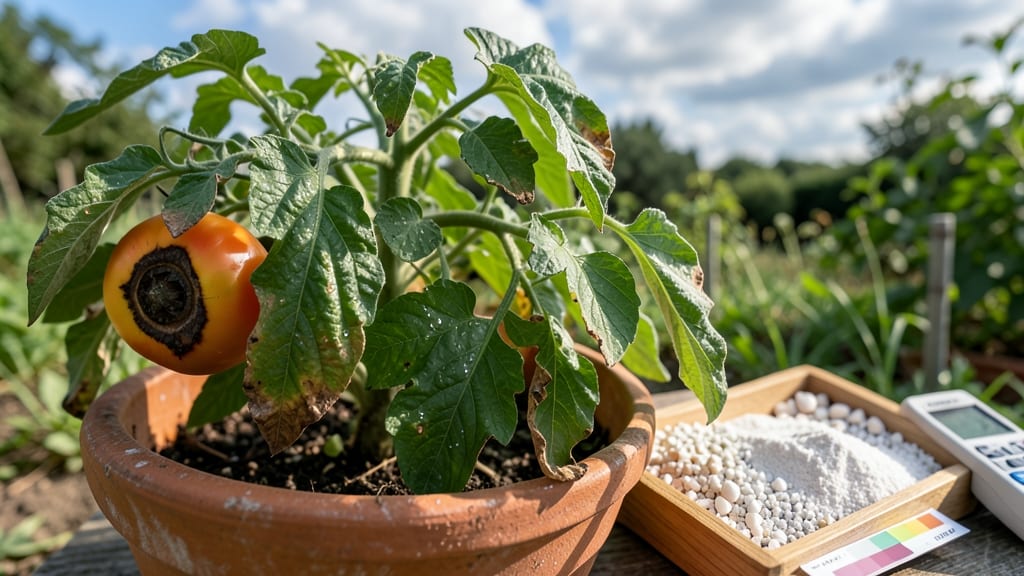
Your calcium-deficient tomato plants are showing crispy, dead spots on leaves—that’s the classic sign of calcium deficiency. 🌱 I’ve battled this exact issue, and the eggshell remedy actually works, but it’s not just about tossing shells in the soil.
The real fix starts with understanding why calcium disappears from your plants’ reach.
Calcium deficiency happens when soil pH creeps too high (above 6.8) or when your tomatoes drink up water too fast—think hot, dry spells. The symptoms? Blossom-end rot on fruit, stunted growth, and those telltale crispy leaf edges.
My plants went from sad to thriving in just 3 weeks after adjusting pH and adding the right calcium sources.
The eggshell remedy is simple but needs patience: crush shells into a fine powder, mix into the soil, and water it in. For faster results, pair it with gypsum (calcium sulfate) or crushed limestone. You’ll see new growth within 10-14 days if you catch it early—and no more wasted tomatoes.
Prevent future problems by mulching to keep soil moist, testing pH annually, and avoiding over-fertilizing with nitrogen. If your plants keep struggling, it might be time for a soil test—sometimes the issue runs deeper than calcium alone.
Root Causes Of Calcium Starvation
Calcium deficiency in tomato plants—often called blossom-end rot or crispy leaf edges—isn’t just a random plant quirk. It’s a cry for help, usually tied to how your tomatoes absorb and access this vital nutrient.
Let’s break down the real culprits behind calcium-deficient tomato plants, so you can fix the problem at its source.
Tomatoes need calcium (Ca) to build strong cell walls, especially in growing fruits and new leaves. But if your soil lacks calcium or can’t release it when your plants need it, deficiency strikes.
- Low natural calcium levels: Sandy or acidic soils (pH < 6.0) bind calcium tightly, making it unavailable. Test your soil—if it’s below 1,000–2,000 ppm calcium, your plants are starving. - High potassium or magnesium competition: These nutrients outcompete calcium for uptake.
If you’ve been heavy-handed with potassium fertilizers (like banana peels or wood ash), your tomatoes may be getting crowded out. - Immobile in soil: Unlike nitrogen or phosphorus, calcium doesn’t move easily through the plant.
Once a leaf or fruit runs low, it’s stuck—leading to those telltale black, sunken spots on tomatoes or dead leaf edges.
💡 Pro Tip: If your soil test shows low calcium, amend it with crushed eggshells, lime (calcium carbonate), or gypsum (calcium sulfate). But timing matters—apply these 4–6 weeks before planting for best results.
Calcium moves through plants via the transpiration stream (water flow from roots to leaves). If water delivery is inconsistent, calcium gets blocked or diluted, leaving parts of the plant high and dry.
- Fluctuating moisture levels: Tomatoes love consistent watering. Drought stress followed by sudden soaking forces roots to scramble, and calcium can’t keep up.
This is why blossom-end rot (a classic calcium deficiency symptom) often hits during hot, dry spells. - Competition from other nutrients: When water is scarce, plants prioritize potassium and nitrogen over calcium.
Think of it like a buffet where your tomatoes are grabbing fries and burgers but skipping the salad (calcium). - Root damage or poor circulation: Compacted soil, root-bound plants, or damaged roots (from overwatering or pests) reduce calcium absorption.
If roots can’t reach water efficiently, calcium gets left behind.
🌡️ Fix It Fast: Use drip irrigation or soaker hoses to deliver water slowly and evenly at the base. Mulch with straw or grass clippings to lock in moisture and reduce stress.
Not all fertilizers are created equal—and some are calcium’s worst enemies. Here’s how you might be accidentally starving your tomatoes:
| Offender | Why It Causes Deficiency | Better Alternative |
|---|---|---|
| High-nitrogen fertilizers (e.g., blood meal, urea) | Pushes rapid leaf growth, diluting calcium in the plant. | Use a balanced 10-10-10 or 5-5-5 fertilizer. |
| Potassium-heavy feeds (e.g., banana peels, Epsom salt) | Outcompetes calcium for uptake. | Pair potassium with calcium-rich amendments like eggshell tea. |
| Synthetic salts (e.g., some granular fertilizers) | Can disrupt soil chemistry, making calcium less available. | Opt for organic, slow-release fertilizers or compost. |
✨ Smart Swap: If you’ve been using Epsom salt (magnesium sulfate), cut back—it can worsen calcium deficiency. Instead, foliar-spray with calcium nitrate (1 tsp/gallon) every 2 weeks during fruiting.
Young tomato plants or those in container gardens often struggle with calcium because their root systems aren’t developed enough to source and transport the nutrient efficiently.
- Transplant shock: If you move seedlings too early (before they’ve built a strong root network), they can’t absorb calcium fast enough for new growth. - Small pots or shallow soil: Roots in 5-gallon containers or less hit nutrient limits quickly.
Tomatoes need deep, well-aerated soil to explore for calcium. - Slow root growth: Cool soil temperatures (<60°F) or compacted soil stunt roots, leaving plants calcium-deprived.
👨🍳 Grow It Right: For container tomatoes, use a minimum 5-gallon pot with well-draining potting mix. Add mycorrhizal fungi (found in organic soils) to boost root calcium uptake by up to 80%.
🔥 Key Takeaway: Calcium deficiency in tomatoes is almost always a soil, water, or nutrient competition issue. The good news? Once you identify the root cause, fixes like eggshell remedies, consistent watering, or balanced fertilizers can turn your crispy leaves into crisp, juicy tomatoes in no time!
How to solve it
When your tomato plants start showing signs of calcium deficiency—think crispy, curled leaves, blossom end rot, or stunted growth—it’s time to act fast. The good news? Most fixes are simple, cost-effective, and even use items you likely have at home.
Below, we’ve mapped out the most common causes of calcium deficiency in tomatoes and the best ways to reverse (and prevent) the damage.
If your soil is naturally low in calcium or depleted from previous harvests, your tomatoes will struggle to absorb enough. The easiest fix? Amend your soil with calcium-rich materials before planting or mid-season.
- 🥚 Eggshell Remedy (Free & Fast):
- Crush clean, baked eggshells into a fine powder (no need to rinse—just bake at 200°F for 10 minutes to sterilize).
- Sprinkle 1–2 tablespoons around each plant’s base and mix into the top 2–3 inches of soil.
- Pro Tip: For faster results, steep crushed shells in water for 24–48 hours, then use the "eggshell tea" as a foliar spray or soil drench. 💡
- 🌿 Garden Lime or Crushed Oyster Shells:
- Work 1–2 pounds of dolomitic lime or oyster shell flour per 100 square feet into the soil before planting.
- For existing plants, apply ½ cup per plant and water deeply to activate.
- ⚠️ Warning: Avoid over-applying—too much lime can raise soil pH and lock out other nutrients like iron or manganese. Test your soil first! 🌡️
Calcium moves through plant tissues via water—so inconsistent watering or dry soil can starve your tomatoes. Fix it with these habits:
- 🔥 Keep Soil Consistently Moist (But Not Soggy):
- Water deeply 1–2 times per week (depending on climate) rather than shallow daily sprinkles.
- Use drip irrigation or soaker hoses to deliver water directly to roots and avoid leaf wetness (which spreads disease).
- Pro Tip: Mulch with straw or grass clippings to retain moisture and prevent calcium-leaching fluctuations. ✨
- 🍅 Calcium Spray for Emergency Relief:
- Mix 1 tablespoon of calcium chloride or eggshell tea per gallon of water and spray on leaves early in the morning.
- Repeat every 7–10 days until new growth appears.
Compacted soil or aggressive weeds can block calcium uptake. Break up barriers with these steps:
- 🔪 Aerate the Soil Gently:
- Use a hand fork or garden trowel to loosen soil around roots without damaging them.
- Add compost or aged manure to improve drainage and microbial activity (which helps calcium absorption).
- 🌿 Companion Plants for Calcium Support:
- Plant legumes like peas or beans nearby—they fix nitrogen and improve soil health.
- Avoid planting tomatoes near potatoes, fennel, or brinjals, which compete for calcium.
Once you’ve rescued your plants, lock in their calcium health with these low-maintenance strategies:
- 📊 Test Soil Before Planting:
- Use a home soil test kit (or send a sample to a local extension office) to check calcium and pH levels.
- Aim for a pH of 6.0–6.8—calcium is most available in this range.
- 🌿 Rotate Crops Annually:
- Avoid planting tomatoes (or nightshades) in the same spot yearly to prevent calcium depletion.
- Alternate with calcium-rich crops like cabbage, broccoli, or peas.
- 🍅 Feed with Balanced Fertilizer:
- Use a low-nitrogen, high-calcium fertilizer (like 5-10-10) every 4–6 weeks.
- Avoid over-fertilizing with nitrogen—it can worsen calcium deficiency by speeding up growth.
- 💡 Harvest Strategically:
- Pick tomatoes when fully ripe—leaving them on the vine too long depletes plant resources.
- Remove damaged or diseased leaves to redirect calcium to healthy growth.
With these fixes, your tomato plants should bounce back in 2–4 weeks, producing juicy, crisp, and calcium-rich fruit. And next season? You’ll be one step ahead with a soil that’s primed for success. 🍅💪
Frequently asked questions
Why do my tomato leaves turn crispy at the edges?
Those crispy, dead leaf edges are a classic sign of calcium deficiency. When your tomato plants can't absorb enough calcium—often due to dry soil, high pH, or nutrient competition—the edges of new leaves burn and die. This happens because calcium is immobile in plants, so once a leaf runs low, it's stuck without a rescue.
Can I use crushed eggshells to fix calcium deficiency?
Eggshells are one of the best natural calcium sources for tomatoes. Crush clean, baked eggshells into a fine powder and mix into the soil around your plants. For faster results, steep the powder in water for 24 hours to make "eggshell tea" and use it as a foliar spray. Just be patient—it may take 2-3 weeks to see improvement.
Will lime fix my tomato plants' calcium problems?
Lime (calcium carbonate) can help, but use it carefully. Dolomitic lime adds both calcium and magnesium, while garden lime focuses on calcium. Apply ½ cup per plant and water deeply. However, too much lime can raise soil pH too high, locking out other nutrients. Test your soil first—aim for a pH between 6.0-6.8 for best calcium availability.
Why does blossom-end rot happen even when I'm fertilizing?
Blossom-end rot is a classic calcium deficiency symptom, but it often appears when your tomatoes get too much nitrogen or potassium without enough calcium. High-nitrogen fertilizers (like blood meal) push rapid growth that dilutes calcium in the plant. Try switching to a balanced fertilizer (5-5-5 ratio)** or pairing your current fertilizer with calcium-rich amendments like gypsum.
How often should I water tomato plants to prevent calcium issues?
Consistency is key! Water your tomatoes deeply 1-2 times per week rather than shallow daily watering. Fluctuating moisture levels block calcium uptake. Use drip irrigation or soaker hoses to deliver water directly to the roots, and always mulch with straw or grass clippings to maintain even moisture. This prevents the "feast or famine" cycle that triggers calcium deficiency.