
Plants
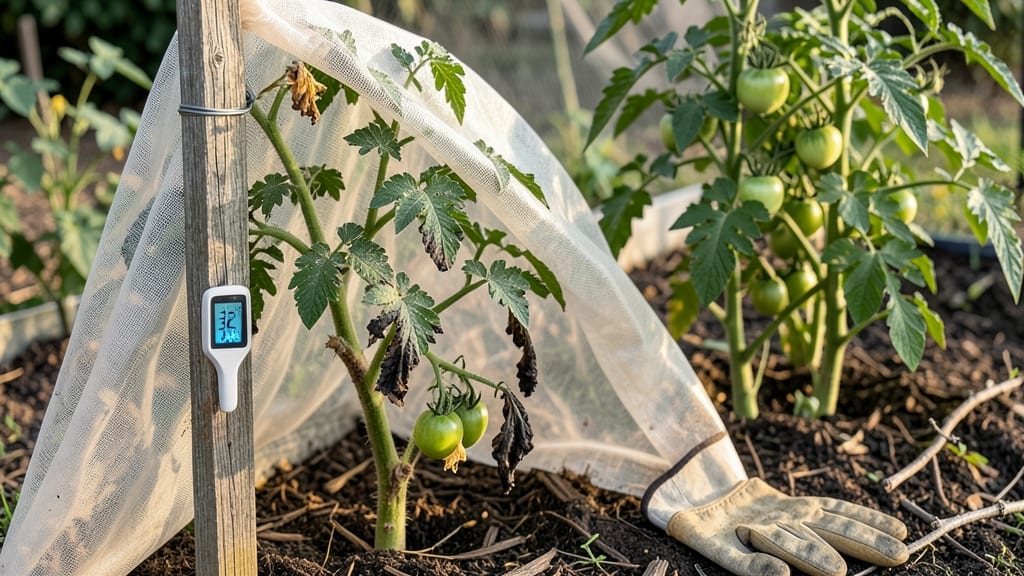
Tomato plants cannot survive frost, as temperatures below 32°F (0°C) cause irreversible cell damage, wilting, and death. Young plants are especially vulnerable, while mature plants may recover if frost exposure is brief and temperatures stay above 28°F (-2°C).
Frost kills tomato plants by rupturing their delicate cells when moisture inside freezes and expands. 🌱 Young seedlings have almost no chance of survival, while older plants might limp through if the cold snap is short-lived and soil temperatures remain above 28°F (-2°C).
The key difference lies in their size and maturity—larger plants have more stored energy to rebound, but even they’ll struggle if frost lingers. I’ve seen gardeners cover plants with frost cloths or row covers during late-spring cold snaps, which can buy time by trapping heat near the foliage.
Even if your plants survive, frost can still ruin the harvest.
The stress weakens vines, making them more susceptible to disease and pests later in the season. 🌡️ If you’re in a region with unpredictable spring weather, consider starting tomatoes indoors or using cold-hardy varieties like 'Stupice' or 'Mountain Merit'—they tolerate cooler temperatures better than most.
But no matter how tough your plants are, once frost hits, your best bet is to act fast with protective measures or accept that the season might need a restart.
💡 In This Article
- Tomato Plant Frost Damage: Temperature Thresholds and Plant Stages
- Saving Tomato Plants After Frost: Immediate Recovery Steps
Tomato plant frost damage: temperature thresholds and plant stages
The real damage happens at the cellular level. When temperatures drop to 32°F (0°C), water inside tomato plant cells begins freezing.
Unlike the orderly ice crystals in an ice cube tray, this intracellular ice forms jagged shards that puncture cell membranes. 🌡️ The rupture releases enzymes that trigger a cascade of decay, turning once-green leaves into mushy, brown slime within hours.
This is why you'll often see frost-damaged plants collapse overnight—there's no gradual wilting, just sudden structural failure.
Young tomato seedlings are particularly vulnerable because their thin stems and delicate leaves lack the protective bark layer found in woody plants. At the seedling stage, even a light frost (30°F/-1°C) can kill them outright, as their entire structure is composed of frost-sensitive tissues.
Mature plants, however, have thicker stems and more stored energy reserves that can help them withstand brief cold snaps—especially if soil temperatures stay above 28°F (-2°C). The soil acts as a thermal buffer, insulating roots that might survive while above-ground foliage perishes.
What most gardeners don't realize is how critical the duration of frost exposure is. A 30-minute freeze at 28°F (-2°C) might leave a mature plant with some viable growth points, while a 6-hour exposure at the same temperature would likely be fatal.
This explains why gardeners in transitional climates often see their tomato plants recover after a single cold night, only to collapse completely after several consecutive frosts. The plant's ability to recover depends entirely on how quickly it can regenerate new growth from protected meristem tissue.
Another critical factor is the type of frost. Radiation frost, which occurs on clear nights when heat escapes rapidly, affects plants differently than advective frost brought by cold air masses. Radiation frost typically stays shallow (2-3 inches deep), while advective frost can penetrate deeper.
This is why covering plants with frost cloths works better against radiation frost—the cloth traps radiated heat near the plant surface without needing to insulate the entire root zone. For advective frost, you'd need more substantial protection like row covers or even moving potted plants indoors.
Interestingly, tomato plants exhibit different frost tolerance at various growth stages. Seedlings in the 2-4 leaf stage are most vulnerable, while plants with 5+ true leaves begin developing some cold resistance through a process called hardening.
This is why late-spring plantings often fare better—they've had more time to mature before the first frost warning. However, even hardened plants won't survive prolonged exposure below 28°F (-2°C), as their protective mechanisms have limits. 🌱