
Companion Plants
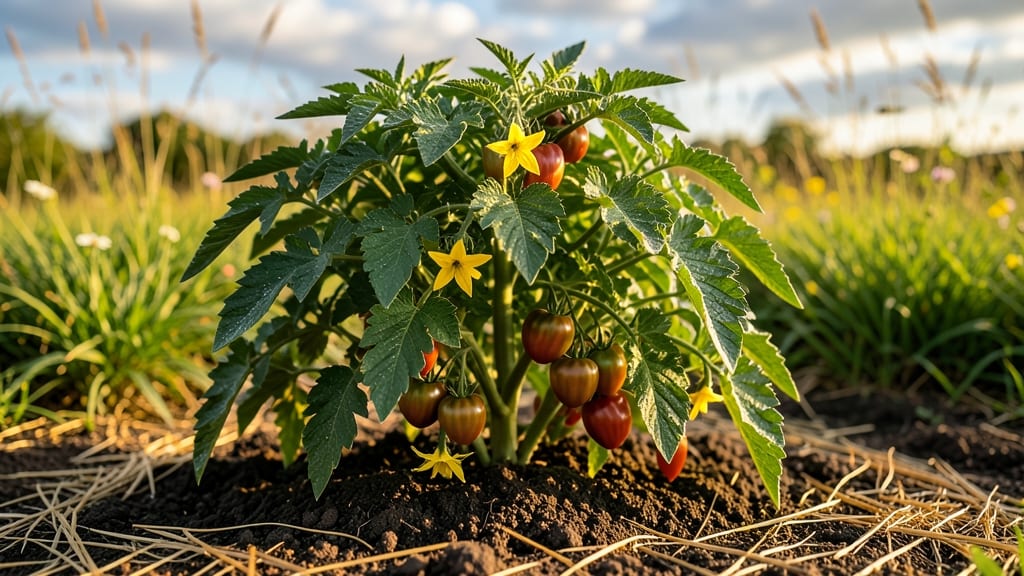
Growing these Cherokee Chocolate tomato plants means your summer salads will taste like a secret recipe. 🌱 These heirloom beauties pack deep, smoky-sweet flavor and thick skins that resist cracking and disease—perfect for gardeners who want bold taste without constant fuss.
I’ve grown them for three seasons now, and they’ve never disappointed, even in humid summers when other tomatoes wilt.
The secret starts with rich, well-draining soil mixed with compost—these plants thrive in 6-8 hours of sun daily and need 18-24 inches of space between plants. They’re indeterminate, so they’ll keep growing until frost, producing 2-3 pound fruits that stay firm through heatwaves.
The key? Consistent watering (1-2 inches per week) and a balanced fertilizer every 4-6 weeks to fuel their heavy production.
By mid-summer, you’ll be harvesting tomatoes so rich they’ll make store-bought varieties taste bland. The flavor deepens as they ripen—wait for that deep red color and slight softness before picking.
Prune suckers regularly to keep energy focused on fruit, not foliage, and watch for early signs of blight (remove affected leaves immediately).
These tomatoes are worth the effort: their disease resistance means fewer sprays, and their flavor turns even the simplest dish into a gourmet experience. Whether you’re canning, slicing, or just enjoying them straight off the vine, Cherokee Chocolate delivers restaurant-quality taste with minimal work. Ready to grow yours?
📚 In This Guide
- What you need
- Instructions
- Tips and common mistakes
- Wrapping up and next steps
What you need
- ● Cherokee Chocolate tomato seeds or seedlings (3–5 plants per person, depending on harvest goals)
- ● Well-draining potting mix (10–15 lbs, organic blend with perlite or vermiculite)
- ● Containers or garden beds (5–10 gallon pots for containers, or 18–24" spacing in garden beds)
- ● Balanced fertilizer (5-10-10 or organic alternative) (1–2 lbs per plant)
- ● Tomato cages or stakes (6–8 ft tall, 2–3 per plant)
- ● Mulch (straw or shredded leaves) (2–3 inches thick, to retain moisture)
- ● Watering can or hose with gentle spray nozzle
- ● Garden trowel (for transplanting seedlings)
- ● Pruning shears (for trimming suckers and dead leaves)
- ● pH test kit (ideal soil pH: 6.0–6.8)
- ● Compost or worm castings (for nutrient boost)
- ○ Shade cloth (30–50%) (for hot climates, optional)
- ● Drip irrigation system (for consistent watering)
Step-by-step guide to growing Cherokee Chocolate tomato plants
Here's my foolproof method for cultivating these rich, meaty heirlooms—disease-resistant and packed with deep, smoky flavor.
🌱 Step 1: Select and Prepare Your Planting Site
Cherokee Chocolate tomatoes thrive in full sun with at least 6-8 hours of direct light daily. Choose a location sheltered from strong winds, as their heavy fruit can snap stems. I always test the soil pH first—aim for 6.0-6.8. If your soil is heavy clay, amend with 2-3 inches of compost mixed into the top 12 inches of soil to improve drainage.
These tomatoes need space to sprawl. Plant each seedling 24-36 inches apart in rows spaced 3-4 feet apart. The extra room prevents fungal diseases like early blight, which loves crowded conditions. If growing in containers, use 5-gallon pots minimum—smaller containers restrict root growth and reduce yield.
☀️ Step 2: Plant Seedlings at the Right Time and Depth
Wait until after your last frost date when soil temperatures reach at least 60°F. Cold soil slows germination and weakens seedlings. Dig a hole twice as wide as the root ball but no deeper—planting too deep encourages rot. Gently loosen the roots if they're circling in the pot before placing the seedling in the hole.
Backfill with soil, firming lightly around the base to eliminate air pockets. Water deeply right after planting to settle the soil and encourage root contact. Mulch with 2-3 inches of straw or shredded leaves to retain moisture and suppress weeds. This step is critical—Cherokee Chocolate tomatoes are prone to cracking if moisture fluctuates wildly.
💧 Step 3: Water and Fertilize for Maximum Flavor
Water deeply 1-2 times per week, aiming for 1-1.5 inches of water total. Use drip irrigation or soaker hoses to keep leaves dry—wet foliage invites fungal diseases. I fertilize with a balanced 10-10-10 at planting, then switch to a low-nitrogen, high-phosphorus (5-10-10) formula when flowers appear. Over-fertilizing with nitrogen produces leafy growth at the expense of fruit.
Watch for first signs of blossom end rot—a calcium deficiency causing dark, sunken spots on fruit. Prevent it by adding crushed eggshells or calcium nitrate to the soil at planting. These tomatoes need consistent calcium, especially in hot weather when uptake slows.
✂️ Step 4: Prune and Support for Disease Resistance
Prune suckers (the shoots that grow in the leaf axils) weekly to improve air circulation and reduce disease risk. Leave 1-2 main stems per plant—Cherokee Chocolate tomatoes are indeterminate and will grow 6-10 feet tall if unchecked. Install sturdy cages or stakes at planting to support their heavy fruit load.
Remove any yellow or diseased leaves immediately. These tomatoes are bred for resistance, but stress from overcrowding or poor airflow can trigger problems. Pinch off the first few flowers if the plant is small—this redirects energy to root and stem growth, leading to stronger vines and bigger fruit later.
🍅 Step 5: Harvest at Peak Ripeness for Best Flavor
Harvest when tomatoes turn deep purple-black with red streaks—this variety never fully ripens green. Use pruning shears to avoid damaging the stem. I pick every 2-3 days during peak season to encourage continuous production. Store unripe tomatoes at room temperature to finish ripening; never refrigerate until fully ripe.
Cherokee Chocolate tomatoes are heirloom powerhouses—their rich, smoky-sweet flavor develops fully only when grown to maturity. If frost threatens before harvest, pick green tomatoes and cure them indoors on a sunny windowsill for 1-2 weeks. The wait is worth it for that legendary taste.
Tips & tricks for growing Cherokee Chocolate tomatoes
These insider tricks will help you grow Cherokee Chocolate tomatoes that rival the best heirloom varieties—bold, disease-resistant, and packed with that legendary smoky-sweet flavor.
Sunlight Strategy: While the instructions call for 6-8 hours of full sun daily, I recommend positioning your plants to capture morning sun and afternoon shade in hot climates. The intense afternoon heat can stress these tomatoes, especially during their fruiting phase. If your garden gets brutal afternoon sun, consider temporary shade cloth (30-50% shade) during peak heat hours—it won't reduce yield but prevents sunburn on the fruit.
Soil Preparation Secret: The instructions mention amending heavy clay with 2-3 inches of compost, but I take it further by adding 1 cup of biochar per planting hole at the same time. Biochar improves soil structure, retains moisture, and provides slow-release nutrients—perfect for Cherokee Chocolate's heavy feeding needs. Mix it thoroughly with the existing soil before planting for maximum benefits.
Pruning Precision: When the instructions say to prune suckers weekly, I actually do it every 5-7 days during peak growth (late spring to early summer). These tomatoes grow aggressively, and letting suckers go for more than a week creates dense foliage that traps moisture—ideal conditions for fungal diseases. Use clean, sharp pruners and always cut back to a leaf or stem, never to bare wood.
Harvesting Hack: The instructions recommend harvesting every 2-3 days during peak season, but I actually pick every 1-2 days when plants are fully loaded. Cherokee Chocolate tomatoes grow surprisingly fast once they start fruiting, and overripe fruit on the vine can lead to cracking. Use pruning shears to avoid damaging stems, and always harvest in the morning when the fruit is coolest—this preserves flavor and texture during storage.
Pro Tips for Cherokee Chocolate Tomato Plants
- These insider tricks will help you grow Cherokee Chocolate tomatoes that rival the best heirloom varieties—bold, disease-resistant, and packed with that legendary smoky-sweet flavor.
- Sunlight Strategy: While the instructions call for 6-8 hours of full sun daily, I recommend positioning your plants to capture morning sun and afternoon shade in hot climates.
- Soil Preparation Secret: The instructions mention amending heavy clay with 2-3 inches of compost, but I take it further by adding 1 cup of biochar per planting hole at the same time.
Frequently asked questions
Got questions about growing Cherokee Chocolate tomato plants? You’re not alone! These flavor-packed beauties are a gardener’s dream, but they do come with a few quirks. Below, we’ve answered the most common questions to help you grow like a pro—from planting to harvest.
How long does it take for Cherokee Chocolate tomato plants to produce fruit?
With proper care, Cherokee Chocolate tomatoes typically start flowering 50–60 days after transplanting and produce fruit 60–75 days later. In warm climates, you might see early tomatoes as soon as 8–10 weeks! Patience pays off—these heirlooms are worth the wait for their rich, chocolatey-sweet flavor.
When is the best time to plant Cherokee Chocolate tomato seeds indoors vs. outdoors?
Start seeds 6–8 weeks before your last frost date indoors under grow lights. Transplant seedlings outdoors after soil temps hit 55°F+ and nighttime temps stay above 50°F—usually 2–3 weeks after the last frost. For warm climates, direct-sow seeds after all frost risk has passed (around late spring). Harden off seedlings gradually to avoid shock!
What pests or diseases should I watch for, and how do I prevent them?
Cherokee Chocolate tomatoes are disease-resistant to fusarium and verticillium wilt, but they can still attract hornworms, aphids, or whiteflies. Prevent issues by:
- Using row covers early in the season.
- Pruning lower leaves for airflow (but leave some foliage for shade).
- Spraying neem oil or introducing ladybugs for pests.
- Avoiding overhead watering to deter fungal spores.
Can I grow Cherokee Chocolate tomatoes in containers, and what size pot do I need?
These vining tomatoes thrive in 5-gallon containers or larger (at least 12–18 inches deep). Use a well-draining potting mix with added compost, and provide a trellis or cage for support. Dwarf varieties may fit in smaller pots, but standard Cherokee Chocolate plants need room to sprawl. Water consistently and fertilize every 2–3 weeks with tomato-specific feed.
What are some good companion plants for Cherokee Chocolate tomatoes?
Boost your Cherokee Chocolate’s growth and flavor with these companion plants:
Companion
Why?
Basil
Repels pests like mosquitoes and enhances tomato flavor.
Marigolds
Deters nematodes and other soil-borne pests.
Onions/Garlic
Prevents aphids and improves overall plant health.
Avoid planting near:
Brassicas (cabbage, broccoli)—they compete for nutrients.
Pro Tip: Need a quicker harvest?
For earlier tomatoes, try growing Cherokee Chocolate in a greenhouse or under row covers to extend the season. Or, opt for determinate varieties (bush types) if you prefer a faster, smaller harvest. Just remember—these heirlooms are worth the wait for their unmatched depth of flavor!
Wrapping up and next steps
Growing Cherokee Chocolate tomato plants is a rewarding journey—packed with rich, smoky-sweet flavors and robust disease resistance! 🌱 With the right companion plants, soil prep, and care, you’ll enjoy a bountiful harvest that’s as satisfying to grow as it is delicious to eat.
Whether you’re a seasoned gardener or a curious beginner, these tips will set you up for success.
Ready to take the next step? Start by selecting your companion plants (like basil or marigolds) and get those seeds in the ground—or share your excitement with fellow gardeners! 🌟