
Plants
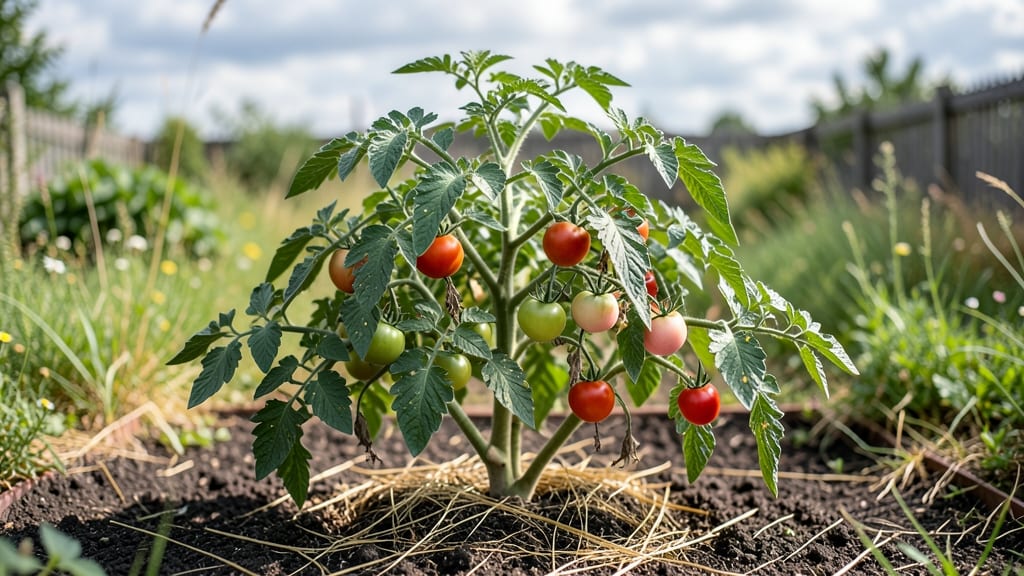
A fully grown tomato plant 🍅 delivers the most flavor when you know exactly when to harvest it—and missing that window means sacrificing sweetness for blandness.
Picture this: you’ve nurtured your tomato plant all season, watching it climb, flower, and finally set fruit. Now the real test begins—figuring out when those tomatoes are truly ready to pick. One wrong move, and you’re left with mealy, underripe fruit that tastes like nothing more than a watery disappointment.
Timing your harvest isn’t just about color or size—it’s about texture, scent, and even the way the fruit gives under gentle pressure. These subtle cues can make the difference between a burst of summer flavor and a lackluster bite.
Below, I’ll walk you through the key signs to watch for, so you never miss the perfect moment again.
From the ideal time of day to harvest to troubleshooting common mistakes (like overripe or cracked tomatoes), this guide covers everything you need to maximize your yield and savor every juicy bite.
Signs your fully grown tomato plant is ready for harvest
There’s nothing quite like the moment you realize your fully grown tomato plant has reached harvest peak—but how do you know for sure? Tomatoes don’t come with expiration dates, and picking too early or too late can ruin that perfect sweet-tart flavor you’re craving.
I’ve learned the hard way that waiting for the right visual cues and tactile signals makes all the difference between a juicy, vibrant tomato and a mealy, underwhelming one.
The key is combining color changes, size consistency, and a simple stem twist test. These three indicators work together to confirm your tomato is at its absolute best.
For example, a deep red cherry tomato should feel slightly soft when gently squeezed, while a heirloom beefsteak might need a firmer touch. Let’s break down exactly what to look for so you never miss the window again.
One of the most common mistakes I see is harvesting tomatoes based solely on color. While a deep red or yellow hue is a great starting point, some varieties—like Brandywine or Black Krim—develop their final color internally long before the skin changes.
That’s why I always perform the stem twist test first. Simply grasp the tomato near the stem and give it a gentle twist. If it separates cleanly from the vine, it’s ready to pick. If it resists or tears, give it another day or two.
Don’t overlook the texture test either. A ripe tomato should feel firm but yield slightly when pressed with your thumb. If it’s rock-hard, it’s not ready—if it’s mushy or squishy, it’s overripe.
For cherry tomatoes, this test is especially critical because their thin skins can deceive you. Pro tip: Roll the tomato between your palms—it should feel slightly springy, like a well-inflated balloon.
For heirloom varieties or green-ripening tomatoes, color alone isn’t enough. Take a small sample, cut it open, and check the internal color. A fully ripe heirloom will have a deep, even color throughout, while an underripe one will show green streaks or a pale center.
This step saved my San Marzano plants last summer when I almost picked a batch that still had green cores.
Timing your harvest also matters. Morning is the best time to pick because tomatoes are cooler and firmer, reducing bruising. Avoid harvesting in the heat of the day—tomatoes left on the vine in 90°F+ temperatures can overripen quickly and develop a mealy texture.
If you must pick in the afternoon, place them in a shady, well-ventilated spot for a few hours before storing.
What if your tomato plant is producing fruit but none seem to ripen fully? This could signal a lack of sunlight, overwatering, or nutrient deficiency. I once had a Sungold tomato plant that kept producing green tomatoes because it was shaded by a nearby oak tree.
Moving it to a sunnier spot and reducing watering frequency helped it recover. Pay attention to these red flags early to avoid wasting your harvest.
Finally, remember that not all tomatoes ripen on the vine. Some varieties, like Roma or Early Girl, are best picked when they’re 70-80% ripe and allowed to finish ripening indoors.
Place them in a paper bag with a banana or apple to speed up the process—ethylene gas from the fruit will trigger ripening. This trick works wonders for extending your harvest season into fall.
Mastering these signs will transform your tomato harvest from hit-or-miss to consistently delicious. The next time you’re standing in front of your fully grown tomato plant, take a moment to check for these key indicators. Your taste buds—and your dinner guests—will thank you.
Best practices for harvesting tomatoes to maximize flavor and yield
Harvesting tomatoes at the right moment transforms a simple garden task into a flavor explosion. For my fully grown tomato plant, timing and technique directly impact sweetness and texture.
I’ve learned that morning harvests preserve juiciness, while afternoon picking risks sunscald on exposed fruit. The key? Observe your plant’s variety-specific cues and act decisively.
Different tomato types demand unique approaches. Cherry tomatoes ripen faster and can be picked when fully colored but still firm. Heirloom varieties like Brandywine need that extra week to develop their signature depth of flavor.
Meanwhile, beefsteak tomatoes—my personal favorites—require gentle handling to avoid bruising their thick skins. Understanding these distinctions ensures you never miss peak ripeness.
⚠️ Warning: Overripe Tomatoes Are a Flavor Killer
Tomatoes continue ripening off the vine, but overripe fruit loses sweetness and develops mealy textures. For fully grown tomato plants, harvest before tomatoes turn mushy or split. Check stems daily—if they snap cleanly with a gentle twist, it’s time to pick! Ignoring this rule means sacrificing that perfect garden-fresh taste.
Start your harvest by examining the stem attachment. A ripe tomato’s stem should separate easily from the vine with a slight twist—almost like unscrewing a jar. If the stem resists or tears, the fruit isn’t ready.
For heirloom varieties, I wait until the color deepens to its variety’s signature hue (e.g., deep red for Roma, golden-yellow for Sun Gold). Use a sharp pruner for stubborn stems, but always leave a small stem intact to prevent splitting.
Morning is the ideal harvest time because cooler temperatures preserve moisture and reduce stress on the plant. Avoid harvesting after midday heat, as sunscald can develop on exposed fruit. I’ve noticed that cherry tomatoes often ripen in clusters—pick them all at once to encourage more production.
For larger varieties like beefsteaks, support the remaining fruit with a soft cloth or your palm to prevent bruising during harvest.
After picking, handle tomatoes with care. Place them in a single layer on a tray or basket to avoid crushing. Store them at room temperature (not in the fridge) to maintain flavor.
I’ve found that underripe tomatoes can finish ripening indoors on a sunny windowsill, but they’ll never match the flavor of vine-ripened fruit. For maximum yield, harvest every 2-3 days—this prevents overloading the plant and encourages continuous production.
Don’t overlook the post-harvest ritual. After each pick, inspect your fully grown tomato plant for pests or diseases. Remove any damaged fruit immediately to prevent rot from spreading. I also prune suckers and yellowing leaves to redirect the plant’s energy toward new fruit.
This simple step can extend your harvest season by 2-3 weeks and keep your tomatoes tasting fresher longer.