
Vegetables
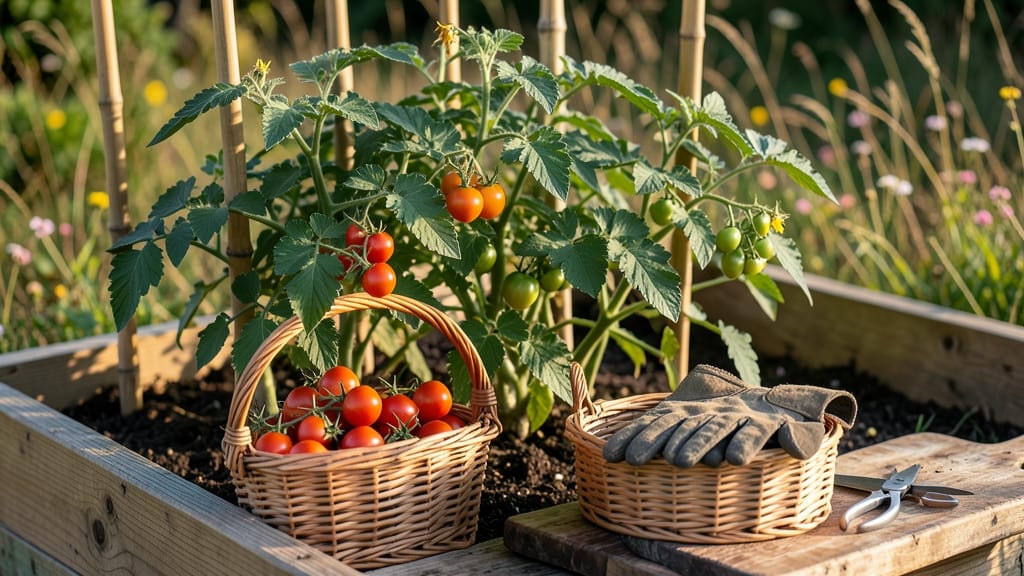
Cherry tomato storage properly keeps them tasting like summer for weeks—not just days. 🌱 The fridge ruins their sweetness, but I’ve perfected a method that preserves crispness and flavor without sacrificing texture. No more mealy, flavorless tomatoes that taste like they’ve been sitting since July.
You only need a few things: a breathable container (like a paper bag or mesh produce bag), a cool but not cold spot (50–60°F is ideal), and patience. The key is avoiding moisture buildup—condensation turns tomatoes soft and mushy.
Store them stem-side up to prevent bruising, and keep them away from ethylene-producing fruits like apples or bananas.
With this method, your tomatoes stay vibrant and juicy for 2–3 weeks—long enough to enjoy them in salads, snacks, or sauces without losing that garden-fresh taste. The secret? Mimicking their natural growing conditions: dry, well-ventilated, and just cool enough to slow ripening.
If you end up with overripe tomatoes, don’t toss them—blend into salsa, roast for pasta sauce, or freeze for winter smoothies. Waste nothing! Here’s how to keep every tomato at peak flavor until you’re ready to use it.
📚 In This Guide
- What you need
- Instructions
- Tips and common mistakes
- Wrapping up and next steps
What you need
- ● Cherry tomatoes: Fresh, unwashed, and unbruised (1 pint to 1 lb, depending on your needs).
- ● Paper towels: 2-3 sheets (for drying and absorbing excess moisture).
- ● Air-tight container: A single-layer container (like a glass or plastic container with a lid) or a resealable plastic bag with tiny holes (use a pin or toothpick to poke 3-4 holes if needed).
- ● Ventilation option: A paper bag or breathable mesh produce bag (for room-temperature storage).
- ○ Optional: A humidity-controlled crisper drawer (if storing in the fridge for longer than 3-4 days).
- ○ Optional: Silica gel packets (1-2) or uncooked rice (½ cup) to absorb excess moisture in containers.
- ● Clean, dry hands (to avoid transferring bacteria).
- ● A cool, dark place (like a pantry or basement) for room-temperature storage.
- ● Refrigerator set to 35–40°F (2–4°C) for cold storage.
- ● Patience! Proper storage takes 5–10 minutes of prep time.
How to store cherry tomatoes for maximum freshness
Here's the method I swear by to keep your cherry tomatoes tasting like they just came from the vine.
🪴 Step 1: Select and Prepare Your Tomatoes
Start by choosing tomatoes that are firm, vibrant, and free of blemishes. The riper they are at storage, the faster they'll spoil. I always sort through my harvest and set aside the perfect ones for immediate use while saving the slightly underripe ones for storage—they'll finish ripening beautifully.
Gently rinse the tomatoes with cool water to remove any dirt or debris, then pat them dry thoroughly with a clean towel or paper towels. Moisture speeds up mold growth, so this step can't be skipped. Handle them carefully—squeezing or bruising will create soft spots where rot starts.
💧 Step 2: Choose the Right Storage Method
For short-term storage (up to 5 days), place your tomatoes in a single layer on a paper towel-lined plate or tray. The airflow prevents moisture buildup, which is key to maintaining crispness. I like to keep them in a cool, dark pantry—never the fridge at this stage, as cold temperatures can turn their flavor bland.
If you need longer storage (up to 2 weeks), switch to a paper bag with a few small holes punched in it. The bag traps ethylene gas, which helps ripen any slightly green tomatoes while keeping the ones already ripe fresh. Store the bag in a 55-60°F spot—basements or cellars work perfectly if you have them.
☀️ Step 3: Monitor and Rotate Regularly
Check your stored tomatoes every 2-3 days and remove any that show signs of softening or mold. A single bad tomato can spoil its neighbors quickly. I rotate the tomatoes in the bag or on the tray so all sides get equal exposure to air and light, preventing uneven ripening or spoilage.
Watch for condensation inside the bag or moisture on the tomatoes—this is your signal that airflow isn't sufficient. If you see this, open the bag or tray and let everything air out for a few hours before resealing. The goal is to keep them dry but not dehydrated; they should feel firm but not rock-hard.
⏰ Step 4: Ripen and Use at Peak Freshness
When you're ready to use your stored tomatoes, move them to a room-temperature spot for 12-24 hours before eating. This lets them soften slightly and develop their full flavor. I often place them on my kitchen counter in a single layer the night before I plan to use them—it's amazing how much brighter their taste becomes after this simple step.
Use your stored tomatoes within 2 weeks of harvest for best quality. If they're still firm but not quite ripe, let them sit at room temperature until they reach your desired ripeness level. Once they soften or develop wrinkles, eat them immediately—they won't improve after that point.
🌱 Step 5: Revive Stored Tomatoes
If your stored tomatoes have lost some of their crispness, don't toss them! Place them in a bowl of ice water for 10-15 minutes to rehydrate. This works wonders for bringing back that vine-ripe texture. After reviving, pat them dry and use them immediately in dishes where texture matters most.
For flavor revival, I sometimes sprinkle a tiny pinch of salt on the tomatoes and let them sit for 5 minutes before rinsing. The salt draws out excess moisture and helps concentrate their natural sugars, making them taste almost as fresh as day one. This trick works especially well for tomatoes that have been stored for a week or more.
Tips & tricks for perfect cherry tomato preservation
Real talk: These little tricks will help you extend your cherry tomatoes' life without sacrificing that just-picked flavor.
Selection is Everything: When choosing tomatoes for storage, look for ones that are firm with a slight give—like a ripe avocado. Avoid any with soft spots, cracks, or wrinkles, as these will spoil faster. I've learned the hard way that even one slightly bruised tomato can accelerate rot in the whole batch. Sort them carefully before storing.
Ethylene Gas Strategy: The paper bag method in Step 2 works because it traps ethylene gas—nature's way of ripening fruit. For best results, punch holes just big enough to let air circulate but not so large they defeat the purpose. I use a toothpick to make tiny holes—about the size of a pencil tip—around the bag. This balances ripening and airflow perfectly.
Temperature Matters: Never store cherry tomatoes in the fridge—cold temperatures break down their cell structure, turning them mealy. Aim for a consistent 55-60°F environment, like a basement or pantry. If your kitchen runs warm, consider a cool closet or even a shaded windowsill away from direct sunlight. The goal is to mimic their natural growing conditions as closely as possible.
Revival Technique: That ice water trick in Step 5 is a game-changer for wilted tomatoes. The cold water shocks the cells back to life, but don't overdo it—10-15 minutes max. After reviving, I always pat them completely dry with paper towels to prevent any surface moisture that could lead to mold. This method works best for tomatoes that have lost crispness but still have good flavor.
Pro Tips for Cherry Tomato Storage
- Real talk: These little tricks will help you extend your cherry tomatoes' life without sacrificing that just-picked f...
- Selection is Everything: When choosing tomatoes for storage, look for ones that are firm with a slight give—like a ri...
- Ethylene Gas Strategy: The paper bag method in Step 2 works because it traps ethylene gas—nature's way of ripening fr...
Frequently asked questions
Got questions about keeping your cherry tomatoes fresh and flavorful?
Here are answers to the most common queries—so you can enjoy them at their best, whether you're snacking or cooking!
How long do cherry tomatoes last in the fridge?
Unwashed cherry tomatoes stay fresh in the fridge for 3–5 days when stored in a paper towel-lined container. If they’re already cut, wrap them tightly in plastic wrap or store in an airtight container—they’ll last 2–3 days but may soften faster. For whole, uncut tomatoes, room temperature is actually better for short-term storage (1–2 days).
Can I store cherry tomatoes in the fridge without washing them?
Yes!
Washing tomatoes before refrigeration speeds up spoilage by introducing moisture. Instead, gently pat them dry with a paper towel to remove dirt or debris. This keeps them crisp and extends their shelf life. Plus, it prevents that dreaded soggy texture.
What’s the best way to revive slightly soft cherry tomatoes?
If your tomatoes feel mealy or soft, don’t toss them! Place them in a single layer on a paper towel in the fridge for a few hours to firm up. For extra crispness, sprinkle them lightly with cornstarch or salt before storing—they’ll absorb moisture and perk up. Best for salads or quick cooking!
Are there alternatives to fridge storage for cherry tomatoes?
For whole, uncut tomatoes, store them in a cool, dark pantry (like a crisper drawer) or a breathable mesh bag for up to 3–4 days. Avoid plastic bags—they trap ethylene gas, speeding up ripening. If you’ve got a ventilated produce box, that’s ideal too!
Why do my cherry tomatoes turn mushy in the fridge so fast?
Mushiness usually happens from excess moisture or ethylene gas buildup. Fix it by:
- Storing them unwashed and dry in a paper towel-lined container.
- Avoiding plastic bags (they trap humidity).
- Keeping them away from ethylene-producing fruits (like apples or bananas).
- Using them within 3 days for peak texture.
Wrapping up and next steps
Storing cherry tomatoes the right way keeps them tasty, crisp, and vibrant—no more mealy or flavorless bites! Whether you opt for the fridge, countertop, or creative hacks like vinegar soaks or paper towel wrapping, the key is minimizing moisture and ethylene exposure.
With these tips, you’ll enjoy garden-fresh quality for days (or even weeks) without compromise.
Now that you’re a cherry tomato storage pro, put your skills to the test! 🌱 Try experimenting with different methods to see what works best for your kitchen.
And next time you’re prepping a salad, snack plate, or skewers, you’ll know exactly how to keep those little jewels at their peak. Happy storing—and happy eating! 🍅✨