
Companion Plants
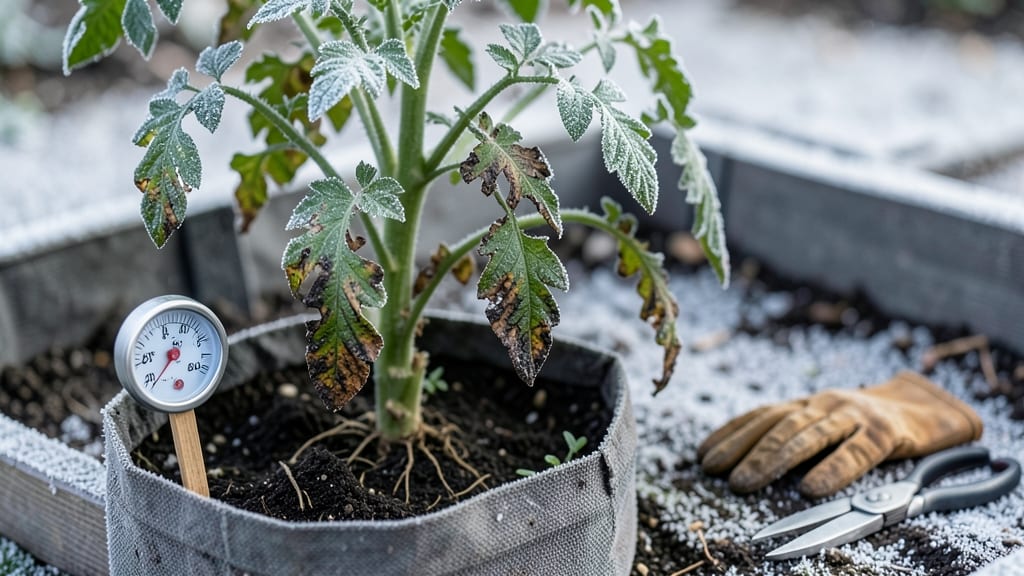
When cold damage hits your tomato plants, you can often revive them in just 24 hours—but only if you act fast. 🌱 I’ve nursed back plants that looked completely done for after a late frost, and the key is recognizing the symptoms early: limp leaves, dark spots, or stunted growth.
The good news? Most damage isn’t fatal if you respond quickly with the right steps.
First, focus on protection and warmth. Move potted plants to a sheltered spot or cover them with frost cloth, and for in-ground plants, pile on 3-4 inches of straw mulch to insulate roots.
If leaves are crispy, trim them back to healthy growth—this helps the plant redirect energy. Avoid watering until new growth appears, as damp soil can worsen stress.
Within a day, you’ll see signs of recovery: leaves perking up, new shoots emerging, or even flowers forming again.
The plants might take a few weeks to fully bounce back, but with consistent care—like keeping soil moist and avoiding heavy fertilizers—they’ll often produce a second flush of fruit just as strong as the first.
For next season, harden off plants gradually and choose cold-tolerant varieties like ‘Stupice’ or ‘Mountain Merit’ if your area gets unpredictable chills. And if your plants just can’t recover? Pull them and replant with a fast-growing variety like cherry tomatoes—they’ll still give you a harvest before frost.
📚 In This Guide
- What you need
- Instructions
- Tips and common mistakes
- Wrapping up and next steps
What you need
- ● Watering can or hose (with a gentle spray nozzle for hydration)
- ● Pruning shears or sharp scissors (sterilized with rubbing alcohol)
- ● Compost or well-aged manure (1–2 gallons per plant)
- ● Mulch (straw, grass clippings, or shredded leaves) (2–3 inches thick)
- ○ Plant cloche or frost blanket (optional but helpful for overnight protection)
- ● Epsom salt (magnesium sulfate) (1 tablespoon dissolved in 1 gallon of water)
- ● Fertilizer (balanced 10-10-10 or tomato-specific) (1 teaspoon per plant)
- ● Fungicide (copper-based or neem oil spray) (to prevent mold if leaves are wet)
- ● Garden twine or stakes (to support weakened stems)
- ● Thermometer (to monitor soil temp—ideal: above 50°F)
- ● Aspirin water solution (1 crushed aspirin + 1 gallon water for stress relief)
How to revive tomato plants after cold damage
Cold snaps can turn your thriving tomatoes into sad, wilted messes—but recovery is faster than you think.
🌱 Step 1: Assess and Protect the Plant Immediately
Start by examining the damage: cold-stressed leaves will look limp, discolored, or slightly curled. If the stems feel mushy or blackened, the plant may be beyond saving. For most cases, though, you'll just see wilting—not death. Gently shake the plant to check for brittle stems; if it snaps easily, it's severely damaged. Move the plant to a sheltered spot—like a garage or under a porch—out of wind and direct sunlight for 24 hours. This prevents further shock while allowing the plant to recover.
If you can't move it, drape a lightweight frost blanket over the plant during the day to buffer temperature swings. Avoid plastic sheets—they trap moisture and can rot the plant faster. Instead, use a breathable fabric that lets air circulate. This step is critical: plants recover best when they're not fighting additional stress.
💧 Step 2: Hydrate Gently Without Overdoing It
Cold damage often dehydrates the plant, but overwatering now will drown it. Wait until the top inch of soil feels dry to the touch before watering. Use lukewarm water—cold water shocks the roots further. Water deeply at the base, avoiding the leaves, until it drains from the bottom of the pot or container. You'll know it's enough when the soil feels evenly moist but not soggy. This step prevents root rot while reviving the plant's water balance.
If the plant is in the ground, water slowly around the base in the early morning. Avoid evening watering—wet foliage overnight invites fungal diseases like early blight. You'll see improvement within 12-24 hours if the roots are still healthy. Watch for new growth at the stem's base; that's your sign the plant is pulling through.
☀️ Step 3: Gradually Reintroduce Sunlight and Warmth
After 24 hours of shelter, begin moving the plant back to its original spot—but don't rush it. Start with 2-3 hours of morning sun on the first day, then increase exposure by 1-2 hours daily. Full sun too soon will scorch recovering leaves. If you're using a frost blanket, remove it during the day but keep it handy for sudden temperature drops. The goal is to harden the plant back to normal conditions without overwhelming it.
At night, if temperatures dip below 50°F, cover the plant again. You'll notice new leaves unfurling within 3-5 days if the plant is resilient. If the plant remains wilted after 48 hours of care, it may need pruning: cut back any blackened or mushy stems with sterilized pruners, leaving only healthy green growth. This redirects the plant's energy toward recovery.
✂️ Step 4: Fertilize Lightly to Boost Recovery
Wait 5-7 days before fertilizing—stressed plants can't process nutrients yet. Once new growth appears, use a balanced, water-soluble fertilizer (like 10-10-10) at half the recommended strength. This gives the plant a gentle energy boost without burning its roots. Mix the fertilizer into 1 gallon of water and apply it directly to the soil, not the leaves. You'll see stronger stems and deeper green leaves within a week of this step.
If the plant is still struggling after two weeks, consider a foliar spray with seaweed extract or fish emulsion. These natural tonics contain growth hormones that help damaged plants bounce back. Avoid heavy nitrogen fertilizers—they promote leafy growth at the expense of root recovery. Instead, focus on potassium and phosphorus to strengthen roots and flowers.
⏰ Step 5: Monitor and Prevent Future Cold Stress
Keep an eye on the plant for another week to ensure it's fully recovered. Healthy recovery signs include firm stems, new leaf growth at the top, and vibrant color. If the plant starts wilting again, it may need staking or caging to support weak stems. Use soft ties to avoid damaging the plant as it regains strength. This step ensures the plant can handle future weather shifts without collapsing.
To prevent future cold damage, consider mulching the base of the plant with 2-3 inches of straw or shredded leaves. This insulates the roots and keeps soil temperatures stable. If you live in a cold climate, wait until after the last frost date to transplant seedlings outdoors. Even a few degrees of cold can set back a young plant for weeks. With these steps, your tomato plant will be back to thriving in no time.
Tips & tricks for reviving cold-damaged tomato plants
Here's what nobody tells you—these tricks make all the difference when your tomato plants look like they've seen better days.
Assessment Accuracy: In Step 1, when checking for brittle stems, don't just look—give them a gentle twist. If the stem snaps like a dry twig, the plant's beyond saving. But if it bends slightly and stays intact, you've got a fighting chance. I learned this the hard way after trying to revive three plants that were actually dead. A quick stem test saves you time and heartache.
Temperature Matters: The 24-hour shelter period in Step 1 works best when temperatures stay above 50°F—that's your safety zone. If nights dip below this, bring the plant indoors temporarily or use a small space heater (on low) near the shelter. Cold stress compounds when plants can't recover from the initial shock. I keep a thermometer handy during recovery to avoid this pitfall.
Sunlight Transition: When reintroducing sunlight in Step 3, pay attention to the plant's response. If leaves start curling or turning yellow after just 2-3 hours of sun, you're moving too fast. Gradually increase exposure by 1 hour every other day instead of daily. Patience here prevents sunburn and sets the plant up for real recovery. Think of it like physical therapy—rush it and you'll set back progress.
Pruning Wisdom: If you need to prune damaged stems in Step 3, don't cut too aggressively. Remove only the blackened or mushy parts, leaving at least 2 inches of healthy green stem. The plant needs all its energy focused on recovery, not growing new stems from scratch. I've seen gardeners trim too much and end up with stunted plants that never fully bounce back.
Pro Tips for Cold Damage Tomato Plants
- Here's what nobody tells you—these tricks make all the difference when your tomato plants look like they've seen bett...
- Assessment Accuracy: In Step 1, when checking for brittle stems, don't just look—give them a gentle twist. If the ste...
- Temperature Matters: The 24-hour shelter period in Step 1 works best when temperatures stay above 50°F—that's your sa...
Frequently asked questions
How do I know if my tomato plant is just cold-stressed or actually dying?
Check for reversible signs like wilted but still-green leaves, slow growth, or blackened leaf edges. If stems are mushy or leaves turn brown and crispy, the damage may be severe. Cold stress often fades within 24–48 hours of warmth, but frostbite (frosted leaves) is permanent.
Can I save my tomato plants if frost hits overnight?
Act fast! Cover plants with breathable materials (row covers, old blankets) before frost forms. If frost has already hit, trim damaged leaves and move pots to a sheltered spot. Mulch heavily around the base to insulate roots. Sadly, if the stem blackens, the plant is likely beyond saving.
What’s the fastest way to revive wilted tomato leaves after cold damage?
Start with a warm water soak (60–70°F) for 10–15 minutes to shock the plant gently. Trim dead leaves with sterilized scissors, then apply a balanced fertilizer (10-10-10) to boost recovery. Keep soil moist but not soggy—stressed plants need hydration without root rot.
Should I prune damaged leaves now, or wait until spring?
Prune immediately if leaves are blackened or mushy—they won’t recover and can attract pests. For cold-stressed (not frozen) leaves, wait 3–5 days to see if they perk up. Avoid heavy pruning now; focus on supporting the plant’s core structure. Save pruned leaves for compost only if they’re disease-free.
Will my tomatoes still grow if the plant looks terrible after cold damage?
Yes! Tomato plants are resilient. If the main stem and roots are intact, new growth will emerge. Focus on protecting the plant from further cold, ensuring full sun, and fertilizing lightly. You may lose some fruit, but the plant will often rebound with time—and next year’s harvest could be even better!
Pro Tip:
Use a thermometer to monitor soil temps. Tomato roots suffer below 50°F (10°C), while leaves may frost at 28°F (-2°C). A simple min/max thermometer ($10–$15) can save your plants—and your sanity!
Wrapping up and next steps
Cold damage can be tough on your tomato plants, but with the right care, they often bounce back stronger than ever! 🌱 By acting fast—pruning damaged foliage, providing warmth, and boosting hydration—you’ll see those leaves perk up in no time. Don’t let a little chill stop your garden dreams!
Ready to give your tomatoes the TLC they deserve? Start by checking their progress tomorrow and adjust your care plan as needed. With patience and persistence, you’ll be enjoying homegrown tomatoes in no time!