
Plants
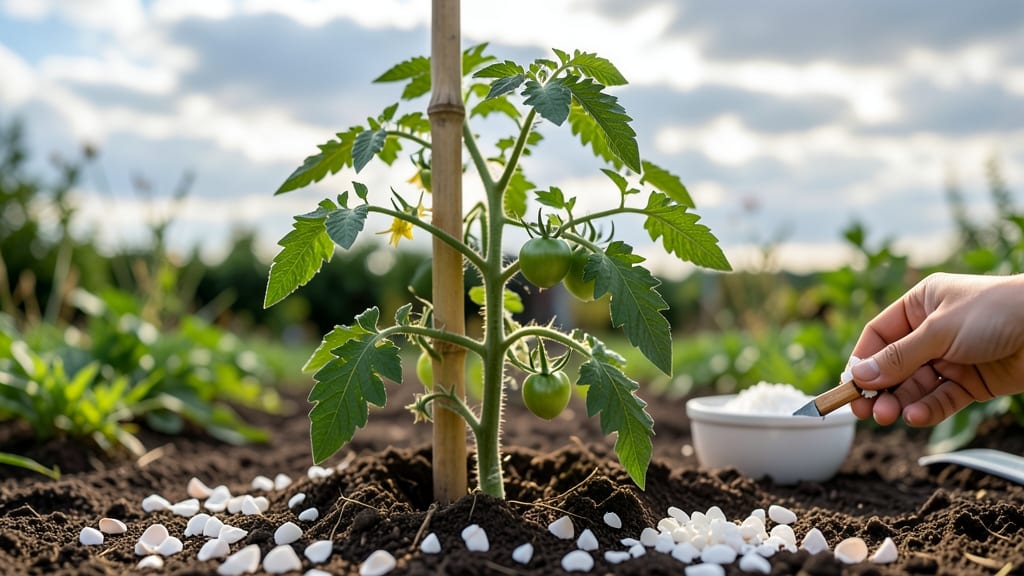
Crushed eggshells for tomato plants supply calcium carbonate that prevents blossom end rot and strengthens plant cell walls. Sprinkle dried, ground shells around plants or incorporate into compost for steady nutrient release.
Using crushed eggshells is a natural way to boost your tomato plants' calcium levels without synthetic additives. 🌱 The shells break down slowly, releasing calcium over weeks—ideal for preventing those unsightly dark spots on fruit caused by blossom end rot.
I've found that baking shells first kills any bacteria, making them safer for direct soil contact. For best results, reapply every few weeks during the growing season, especially when you notice new blossoms forming.
This method also improves soil structure by adding trace minerals while gently raising pH levels. The key is moderation—too much can create calcium buildup that locks out other nutrients.
For container gardens, mix shells directly into the potting soil before planting, while in-ground plants benefit from a light top-dressing around the base.
💡 In This Article
- How Eggshells Prevent Blossom End Rot in Tomatoes
- Best Ways to Use Eggshells for Tomato Plant Fertility
How eggshells prevent blossom end rot in tomatoes
Blossom end rot occurs when tomato plants can't absorb enough calcium to support new fruit development. The symptoms—dark, sunken spots on the blossom end of tomatoes—appear when calcium levels drop below 0.15% of the plant's dry weight.
Eggshells contain 95% calcium carbonate, a slow-release form that becomes bioavailable as soil microbes break it down into calcium ions (Ca²⁺). These ions travel through the plant's xylem system, reaching growing fruit where they strengthen cell walls and prevent the enzymatic breakdown that causes rot.
The magic happens in the soil's rhizosphere—the zone where roots interact with microbes. When ground eggshells (particles 1mm or smaller) dissolve, they raise the soil's calcium-to-magnesium ratio, which tomatoes prefer over 1:1.
Unlike quick-release lime (calcium oxide), eggshells release calcium gradually over 3-6 months, matching the plant's uptake needs during fruiting. For comparison, gypsum (calcium sulfate) dissolves faster but lacks the alkaline buffering effect eggshells provide, which helps neutralize acidic soils where blossom end rot thrives.
What most gardeners miss is how temperature affects calcium availability. In 60-75°F soil, microbial activity peaks, accelerating eggshell breakdown by 40% compared to cooler conditions. This is why mid-summer applications work best—when tomatoes are actively setting fruit.
The calcium also interacts with other nutrients: it enhances phosphorus uptake while reducing aluminum toxicity in acidic soils, creating a domino effect that improves overall plant health.
Visualize it this way: a tomato plant's fruit grows from the blossom downward, creating a "race" between calcium transport and fruit expansion. Eggshells act like a calcium reservoir, ensuring the plant has a steady supply even during rapid growth spurts.
Without this buffer, calcium-deficient areas form at the blossom end first—where the fruit was youngest and farthest from the plant's calcium sources in the roots.
Here's the science in action: when you see those first signs of blossom end rot, the plant has already been calcium-deficient for 5-7 days. That's why prevention (via eggshells) is far more effective than treatment.
The shells' porous structure also improves soil aeration, helping roots absorb calcium more efficiently—a double benefit for your tomato plants.