
Pests
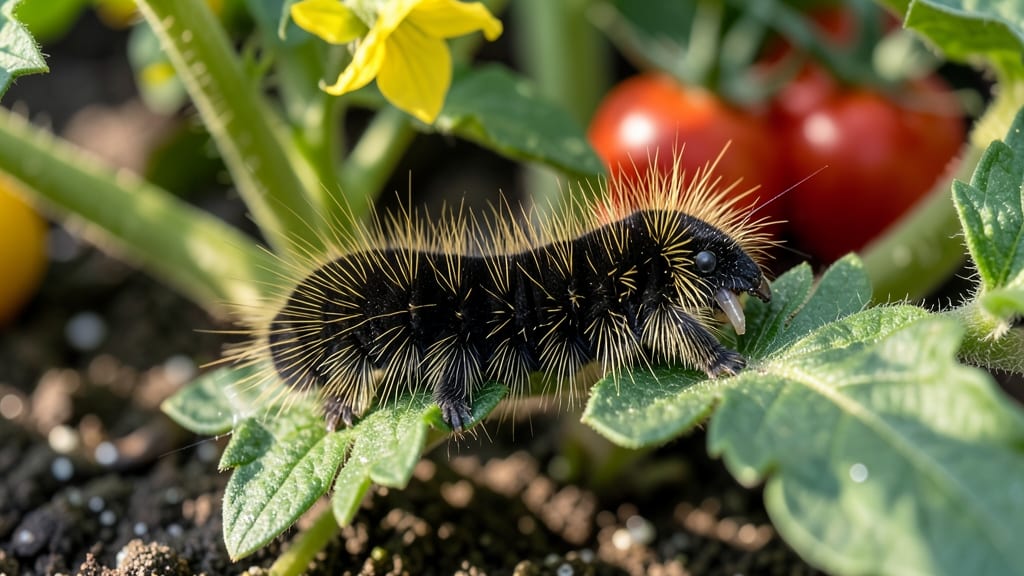
Groundhogs eat tomato plants by consuming leaves, stems, and fruit, often ruining young seedlings and reducing harvests in mature gardens. You'll spot their damage through jagged bite marks and chewed foliage, which stand out against other common garden pests.
Groundhogs aren't picky eaters—they'll happily munch through tomato foliage, stems, and even ripening fruit, especially when other food sources are scarce. 🌱 Their burrowing habits also disrupt root systems, weakening plants over time.
The damage is most noticeable during spring and summer when groundhogs are most active, making early prevention key for protecting your tomato crop.
What makes groundhog damage distinctive is the combination of chewed leaves and the characteristic jagged edges left behind. Unlike rabbits that tend to take clean bites or deer that browse larger areas, groundhogs create irregular patterns that can spread quickly if left unchecked.
Young tomato plants are particularly vulnerable, as their tender growth provides easy access for these hungry pests.
💡 In This Article
- How Groundhogs Damage Tomato Plants and Gardens
- Effective Groundhog Deterrents for Tomato Gardens
How groundhogs damage tomato plants and gardens
Groundhogs—also known as woodchucks—are particularly destructive to tomato plants because they combine voracious eating habits with burrowing behaviors that weaken plant health. Their feeding patterns start with the leaves, where they create irregular, jagged holes measuring about 1/4 to 1/2 inch wide, often leaving behind a characteristic "windowpane" effect.
Unlike deer or rabbits, groundhogs don't just nibble—they strip entire sections of foliage, which can defoliate young tomato plants in just a few days. 🌿
The real damage extends beyond the leaves, though. Groundhogs often gnaw on stems and even young tomato fruit, which can stunt growth or cause blossom-end rot by disrupting water uptake.
Their burrowing habits are equally problematic: a single groundhog can dig 10-15 feet of tunnels per season, severing roots and creating unstable soil conditions. This underground destruction is especially dangerous for established tomato plants, as it can lead to wilting or toppling even when the foliage appears healthy above ground.
Seasonal activity peaks during spring and early summer, when groundhogs are most active and tomato plants are most vulnerable. Young seedlings are particularly at risk because their tender stems are easy targets, while mature plants may suffer reduced yields if fruit is damaged.
What makes groundhog damage distinctive is the combination of chewed foliage and burrow entrances near the base of plants—unlike rabbits, which typically leave clean-cut edges, or deer, which tend to browse larger areas.
Groundhogs also have a preference for garden edges and low-lying areas where they can access both food and shelter. Their feeding patterns are opportunistic: they'll target tomato plants when other vegetation is scarce, particularly in drought conditions or after heavy rains when alternative food sources become limited.
This behavior makes prevention especially critical during dry spells, when groundhogs are more likely to raid gardens for moisture-rich plants like tomatoes. 💧
Another key difference from other pests is their size and strength. Groundhogs weigh 12-15 pounds and can dig with enough force to uproot small tomato plants entirely. Their burrows can also create pathways for other pests, like rodents, to access your garden.
The combination of above-ground feeding and below-ground destruction makes them one of the most challenging garden pests to manage once established in your yard.