
Plants
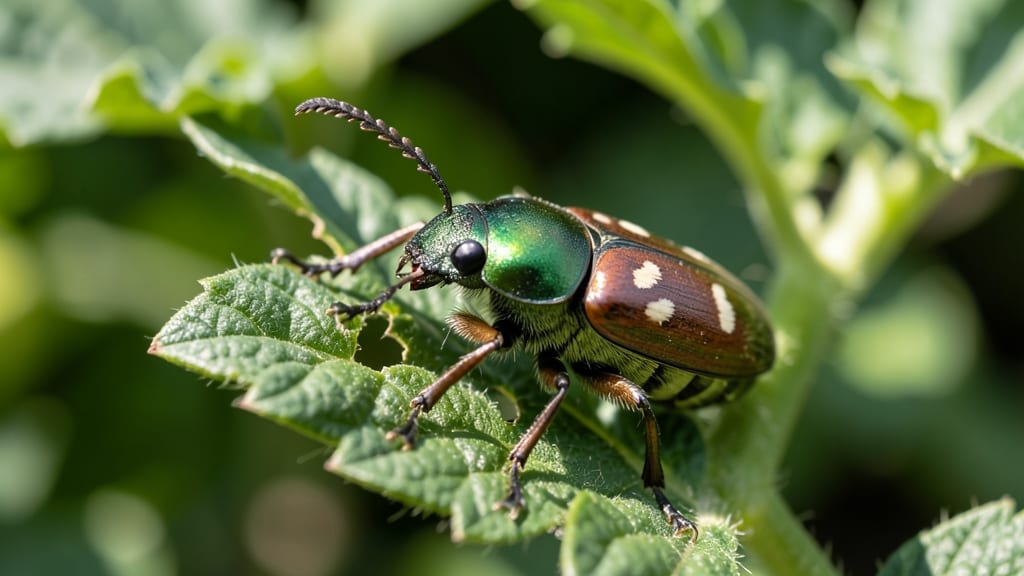
Do Japanese beetles eat tomato plants? Absolutely—they’ll devour your tomato plants faster than you can say "sauce disaster." 🌱 I learned this the hard way when my prized heirloom tomatoes turned into skeleton leaves overnight—unless you act fast, your harvest is at stake.
These shiny green-and-copper pests chew through foliage, flowers, and fruit, leaving behind jagged edges and a trail of destruction. The damage isn’t just cosmetic; severe infestations can slash yields by 50% or more, turning your garden into a beetle buffet. The good news?
Organic sprays like neem oil, kaolin clay, or pyrethrin-based products can stop them in their tracks. Handpicking in the morning (drop them in soapy water) also works—just be ready for a sluggish battle. Early intervention is key to saving your tomatoes.
You’ll protect your plants without harming pollinators or the environment. Here’s how to tackle them before they take over.
The Real Culprits Behind Beetle Attacks
Japanese beetles (Popillia japonica) don’t just randomly munch on tomato plants—they’re drawn to them for specific, science-backed reasons. Understanding these triggers is the first step to protecting your garden. Below, we break down the why behind their destructive habits, from their biology to environmental cues.
Japanese beetles are voracious feeders, and tomato plants are like an all-you-can-eat buffet for them. Here’s why:
- High nitrogen content: Tomatoes are rich in nitrogen, which beetles crave for protein to fuel their growth and reproduction. Pro tip: Beetles can detect nitrogen compounds from up to 30 feet away—your garden’s scent is basically a dinner bell! 🔔
- Soft, tender leaves: Unlike woody stems, tomato foliage is easy to chew. Beetles prefer plants with minimal structural defenses, making tomatoes a prime target. (We’ll cover how to make them think twice later!) <
- Sap-rich stems: Beetles also feed on the phloem sap (the plant’s nutrient-transport system). Tomato stems are packed with this sweet, sticky liquid—like a fast-food drive-thru for beetles. 🍔
Japanese beetles are warm-weather insects, and your tomato plants’ love for sunlight creates the perfect storm. Here’s how heat and light trigger their feeding frenzy:
| Factor | Why It Matters | Beetle Behavior |
|---|---|---|
| 🌞 Sun Exposure | Tomato plants thrive in full sun, which increases their metabolic rate—producing more volatile organic compounds (VOCs) that beetles can smell. | Beetles use their antennae to detect these scent trails, homing in like a GPS. ☕️🔍 |
| 🌡️ Warm Temperatures | Heat speeds up plant respiration, releasing more carbon dioxide and sugars—a double whammy for beetles. | Temperatures above 75°F (24°C) trigger peak feeding activity. That’s why late summer is their busiest time. ⏳ |
| 💧 Moisture Stress | Drought-stressed tomatoes emit distress signals (like increased ethylene gas), which beetles interpret as “weak prey.” | They’ll target struggling plants first, accelerating damage. 🚨 |
Japanese beetles are social feeders—they don’t just stumble upon your tomatoes. They recruit each other using pheromones (chemical signals) and visual cues. Here’s how it works:
- Pheromone trails: Once a few beetles find a tomato plant, they release aggregation pheromones to call reinforcements. It’s like a text chain for destruction. 📱💥
- Visual markers: Beetles are drawn to damaged leaves (the jagged edges left by early feeders). They see this as a “safe zone” with easy access to food.
- Flower nectar lure: Beetles often start on flowers (like roses or grapes) before moving to tomatoes. The sugar-rich nectar gives them energy to then attack your veggies. 🍯
Japanese beetles aren’t picky—they’re opportunistic. If your garden has certain plants or conditions, you’re basically rolling out the welcome mat. Check for these red flags:
- Grassy lawns: Beetles emerge from soil in late spring/early summer, often from turfgrass. A lush lawn = more beetles nearby. ⛳
- Nearby wooded areas: Beetles overwinter in forest edges and migrate to gardens as crops mature. If you’re near trees, you’re in their flight path. 🌳✈️
- Lack of natural predators: Birds, toads, and parasitic wasps keep beetle populations in check. If your garden lacks these, beetles thrive unchecked. 🐦🐸
Now that you know why they’re targeting your tomatoes, the next step is how to stop them in their tracks—without harsh chemicals. Stay tuned!
Beat Back Beetles Naturally
Japanese beetles can turn your tomato plants into a buffet, but don’t despair—there are effective, organic ways to reclaim your garden without harsh chemicals. Below, we’ve mapped common causes to practical fixes, plus prevention tips to keep those shiny invaders away for good.
Cause: Small infestations or early signs of damage. Fix:
- When to act: Early morning or late evening when beetles are sluggish.
- How to do it: Fill a bucket with soapy water (1 tbsp dish soap per gallon) and pluck beetles off leaves and flowers by hand. Drop them in the bucket—no mercy! 🦟💀
- Pro tip: Wear gloves to avoid skin irritation from their secretions.
Cause: Moderate to heavy beetle activity on foliage or fruit. Fix:
- Mix: 2 tbsp neem oil + 1 tsp mild liquid soap + 1 quart water. Shake well.
- Apply: Spray all surfaces (top/bottom of leaves, stems) in the early morning or evening (avoid direct sun—it burns leaves).
- Reapply: Every 5–7 days or after rain. Bonus: Neem deters egg-laying too!
- ⚠️ Warning: Test on a small leaf first—some plants are sensitive.
Cause: Beetles landing on plants but not yet causing severe damage. Fix:
- Use: Surround WP (kaolin clay) or DIY mix (1 cup clay powder + 1 gallon water).
- Apply: Spray evenly on leaves and stems. The white film confuses beetles’ scent receptors, making your plants unappetizing.
- Reapply: Every 7–10 days or after rain. Safe for pollinators! 🐝
Cause: Large-scale infestations or beetles congregating in the garden. Fix:
- Set up: Bury a shallow dish (like a yogurt container) in the soil, filled with beer or apple cider vinegar. Leave 1–2 inches above ground.
- Why it works: Beetles are drawn to fermented scents, drown, and die. Place traps 10–15 feet from tomato plants to avoid luring more.
- Maintain: Refresh the liquid every 2–3 days. Best for late afternoon when beetles are active.
Cause: Recurring beetle problems year after year. Fix:
- Milky spore: A bacteria-based soil treatment that targets beetle grubs. Apply in early spring or fall—results take 1–2 years but last decades!
- How: Mix with water and water into soil around plants.
- Beneficial nematodes: Microscopic worms that paralyze and kill grubs. Apply in evening (they hate sunlight).
- How: Follow package instructions—usually a water-based spray over moist soil.
- 💡 Plant companions: Interplant tomatoes with garlic, basil, or marigolds—beetles dislike these scents.
- 🔥 Early pruning: Remove yellowing leaves (beetles lay eggs on them) and fallen fruit (attracts more beetles).
- 🎯 Row covers: Use floating row covers (lightweight fabric) over young plants to block adults while allowing pollination.
- ✨ Clean garden: Remove weeds and grass clippings—beetles hide in them over winter.
Final Note: Combine 2–3 methods for best results (e.g., hand-picking + neem oil + beer traps). Consistency is key—beetles return if you drop your guard! With these tactics, your tomato plants will thrive while those metallic menaces get the boot. 🚫🦟🍅
Frequently asked questions
What do Japanese beetle damages look like on tomato plants?
Japanese beetles leave distinctive jagged edges on leaves, often starting from the outer edges. Look for skeletonized foliage (where only the veins remain) and chewed flowers. They also create small, irregular holes in fruit, though they prefer leaves and blossoms first.
Can Japanese beetles kill tomato plants?
While they won't kill healthy tomato plants outright, severe infestations can stress plants enough to reduce yields by 50%+. The real danger comes from defoliation (losing too many leaves) and flower damage, which prevents fruit production. Weakened plants become vulnerable to diseases too.
Why do Japanese beetles target tomatoes over other garden plants?
Tomatoes are beetle favorites because of their high nitrogen content and soft leaves. Beetles can detect these plants from 30+ feet away using scent trails. They also release pheromones to recruit more beetles once they find a good food source.
How long does it take for neem oil to work on Japanese beetles?
Neem oil starts working within 6-12 hours but requires 3-5 days of consistent application for full effectiveness. For best results, spray in the early morning or evening when beetles are active but temperatures are cooler. Reapply after rain.
Are Japanese beetles worse in certain seasons?
Yes! Peak activity occurs from late June through August when temperatures exceed 75°F (24°C). They emerge from soil in spring, but don't cause major damage until summer. Early intervention in June can prevent full-blown infestations later.