
Companion Plants
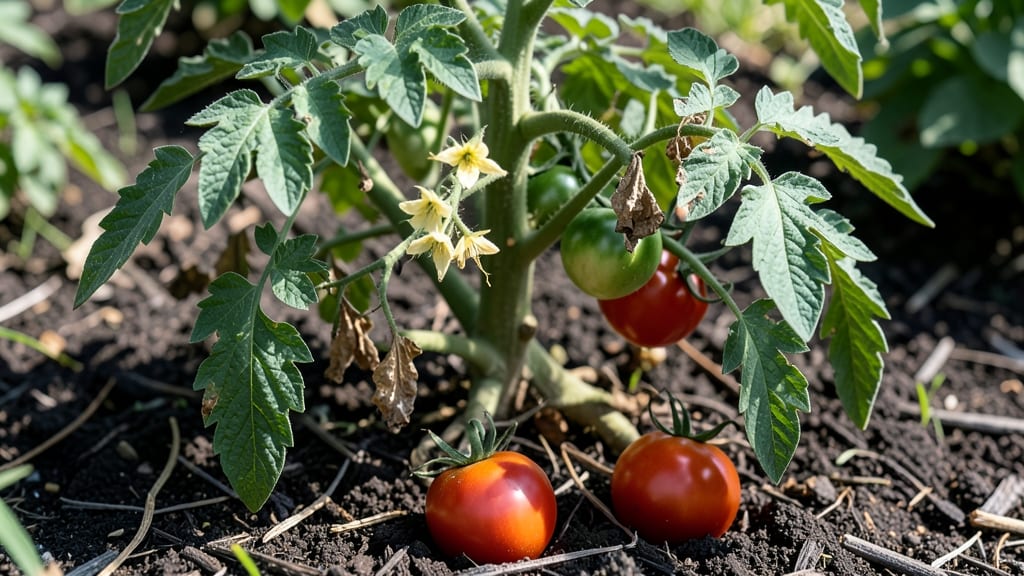
Tomato plants don’t die immediately after fruiting but gradually weaken as they exhaust their energy reserves, with their lifespan varying by type, care, and growing conditions. Indeterminate varieties may keep producing until frost, while determinate plants often decline shortly after their main harvest.
After tomatoes ripen, the plant redirects energy from growth to fruit production, which eventually drains its resources. 🌱 This process is especially noticeable in determinate varieties, which produce all their fruit at once before fading.
Indeterminate types, however, can continue flowering and fruiting until cooler weather or pests intervene. Proper care—like balanced fertilization and disease prevention—can help extend their productive life.
What many gardeners don’t realize is that ethylene gas, a natural plant hormone, accelerates aging in tomato plants after fruiting. This is why you’ll often see leaves yellowing or wilting as the plant shifts focus from growth to seed production.
Pruning spent flowers and leaves can redirect energy back to the plant’s core, sometimes giving it a second wind for late-season harvests.
💡 In This Article
- Why Tomato Plants Slow Down or Perish After Harvest
- How to Prolong Tomato Plant Life and Maximize Yield
Why tomato plants slow down or perish after harvest
The decline of tomato plants after fruiting begins with a biological shift in energy allocation. When tomatoes ripen, the plant prioritizes fruit development over vegetative growth, redirecting nutrients from leaves and stems to the developing fruit.
This process depletes the plant's stored carbohydrates and nitrogen reserves—similar to how a marathon runner exhausts glycogen stores during a race. For determinate varieties, this depletion happens rapidly after their single harvest, causing leaves to yellow and stems to weaken within 2-4 weeks. 🌱
Hormonal changes play a critical role too. As fruit matures, the plant produces more ethylene gas, a natural aging hormone that triggers senescence (the plant's version of aging). This is why you'll notice older leaves curling or dropping first—they're essentially "sacrificing" themselves to preserve the plant's core.
Indeterminate varieties, which grow continuously, manage this better by spreading energy across multiple fruit cycles, but even they eventually succumb to nutrient exhaustion by late summer or early fall.
Environmental factors accelerate this process. High temperatures above 90°F increase metabolic demands, while inconsistent watering stresses the plant further. Determinate varieties, which produce all their fruit at once, are particularly vulnerable to blossom end rot (a calcium deficiency) during this stage, as calcium is diverted to fruit development.
The result? Stunted growth, wilted leaves, and a plant that looks more like a dried-up skeleton than a thriving vine.
Signs of decline are often subtle at first but become obvious as the plant shifts from production to preservation mode. Look for yellowing lower leaves (a sign of nitrogen deficiency), stunted new growth, or blossoms dropping off without setting fruit.
These are clear indicators the plant is redirecting its last reserves to seed production rather than sustaining itself. In extreme cases, fungal diseases like early blight exploit this weakened state, further hastening the plant's decline.
Interestingly, the plant's response varies by variety. Heirloom indeterminate types, like 'Brandywine' or 'Cherokee Purple', often continue producing fruit until frost because their genetic makeup allows for prolonged flowering.
In contrast, hybrid determinate varieties, such as 'Roma' or 'Celebrity', are bred to focus all energy on a single harvest, making them more prone to rapid decline afterward. This genetic difference explains why some tomato plants seem to "give up" sooner than others.
What most gardeners overlook is that this decline isn't always a death sentence—it's a natural transition. The plant is essentially entering a "resting" phase, similar to how deciduous trees shed leaves in autumn.
With the right care, you can sometimes coax a few more weeks of productivity out of even determinate varieties, especially in warmer climates where frost isn't an immediate threat. 🌿