
Plants
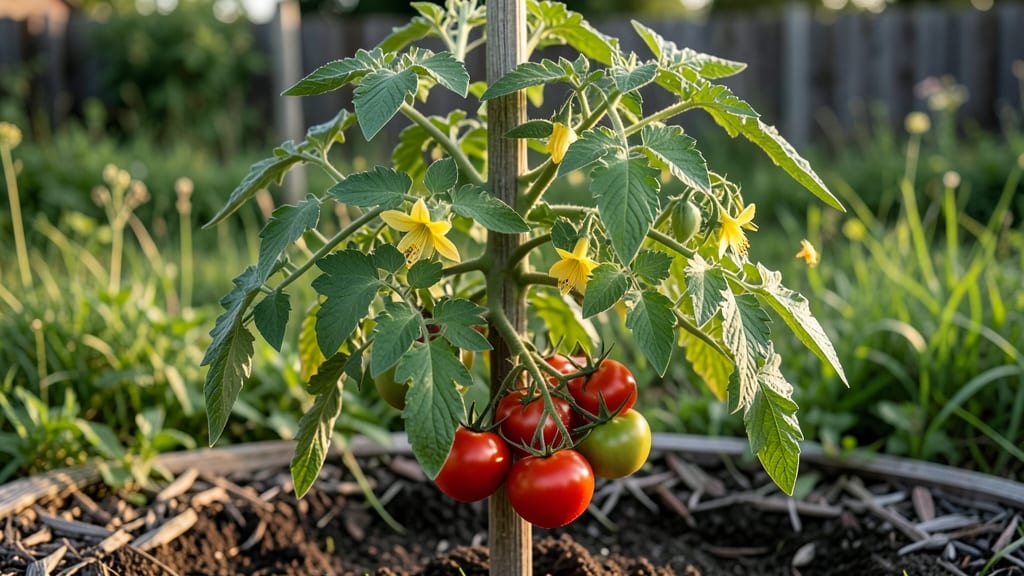
Do tomato plants like full sun? The answer is a resounding yes—they love it more than almost any other vegetable 🍅 and crave 6 to 8+ hours of direct light daily to grow strong, set fruit, and produce the juicy harvests you’re dreaming of.
If your tomato plants are stretching toward the sky like they’re reaching for a high-five or producing tiny, tasteless fruits, they’re probably begging for more sunlight.
The truth is, tomatoes don’t just tolerate full sun—they thrive in it, but get it wrong, and you’ll end up with leggy stems or a sad lack of blossoms.
Here’s the game-changer: understanding how sunlight affects every stage of growth—from seedling to ripe fruit—and how to adjust your garden setup for the best results, whether you’re working with in-ground beds or container setups.
We’ll cover the exact light needs, warning signs of too little (or even too much) sun, and simple fixes to keep your tomatoes happy, productive, and ready for harvest from June through October.

How many hours of full sun tomato plants need (and what happens if they don’t get enough)
Tomatoes are sun-worshippers, and their love affair with sunlight isn’t just preference—it’s survival. These plants need 6 to 8+ hours of direct sunlight daily to grow strong, produce flowers, and develop sweet, flavorful fruit.
Without enough light, they’ll stretch toward the sun, produce fewer tomatoes, and become vulnerable to diseases. Think of sunlight as their energy drink: skip it, and you’ll get weak, leggy plants instead of robust vines bursting with fruit.
The science behind this is simple: sunlight powers photosynthesis, the process that turns water and CO₂ into sugars for growth. Tomato plants also need light to trigger flowering and fruit set.
When they don’t get enough, they’ll focus energy on growing taller (to reach the sun) rather than producing fruit. This is why your neighbor’s tomato plants might look like jungle vines while yours stay small and sparse—it’s not just luck; it’s light exposure.
🌱
| Tomato Type | Sunlight Needs | Growth Impact | Fruit Quality |
|---|---|---|---|
| Cherry Tomatoes | 6-8 hours | Compact, bushy growth | Sweet, abundant fruit |
| Beefsteak | 8+ hours | Tall, sturdy vines | Large, meaty tomatoes |
| Dwarf/Container | 6-7 hours | Slower growth, needs support | Smaller yield, but flavorful |
| Heirloom | 7-9 hours | Indeterminate growth | Complex flavors, needs heat |
| All Tomatoes | Minimum 6 hours | Leggy, weak stems | Poor fruit set, bitter taste |
Not all sunlight is created equal. Direct sunlight (where rays hit the leaves directly) is what tomatoes crave, while partial shade (filtered light through trees or buildings) can stunt their growth.
For example, a tomato plant in morning sun and afternoon shade might survive but will produce fewer tomatoes than one basking in full sun all day. If you’re growing tomatoes in containers or on balconies, rotate them every few days to ensure even light exposure on all sides.
Seasonal adjustments matter too. In summer’s intense heat, tomatoes can get sunburned if they’re not acclimated. Start by giving them 6 hours of sun in early summer, then gradually increase to 8+ hours as they mature.
Conversely, in spring or fall, when sunlight is weaker, you might need to supplement with a reflective mulch (like white gravel) or a south-facing wall to bounce extra light onto the plants.
🌿
What happens when tomatoes don’t get enough sun? The warning signs are clear: leggy stems (plants stretching toward light), fewer flowers (or none at all), and poor fruit development. You might also notice yellowing leaves or small, underdeveloped tomatoes that never ripen.
Even if your tomatoes do produce fruit in low light, they’ll often be tasteless, seedy, and watery—a far cry from the sweet, juicy tomatoes you’d get with proper sunlight.
Think of sunlight as the foundation for everything else in tomato care. Even the best soil, fertilizer, and watering won’t save a tomato plant starved for light.
If your garden spot gets less than 6 hours of sun, consider growing shade-tolerant varieties like ‘Solar Fire’ or ‘Mountain Merit,’ but don’t expect a bounty.
For the best results, place your tomatoes where they’ll get the most sun possible, and watch them reward you with a harvest that’s the envy of the neighborhood.
☀️
Pro tip: Use a sunlight tracker or app to monitor how much light your garden gets throughout the day.
Many free tools can help you map your yard’s sunlight patterns, so you can position your tomatoes in the sunniest spot—and avoid the shade traps that turn your tomato dreams into leggy disappointments.
Signs your tomato plants aren’t getting enough sun (and how to fix it)
Tomato plants crave full sun—that means 6 to 8+ hours of direct sunlight daily. When they don’t get enough, their growth patterns change dramatically. You might notice leggy stems stretching toward light sources or small, sparse leaves that look pale and weak.
Even worse, flowering slows down or stops entirely, leaving you with fewer tomatoes than you expected. The good news? These issues are fixable with simple adjustments to their environment.
If your plants are growing indoors or in shaded containers, the problem becomes even more pronounced. Without adequate light, tomatoes won’t set fruit at all, or the fruit that does form will be small and underdeveloped.
This is especially true for determinate varieties, which rely on consistent sunlight to produce a heavy yield in a short window. Let’s diagnose the signs and explore practical solutions to give your tomatoes the light they need to thrive.
⚠️ Tomato Plants Need Full Sun—Here’s What Happens When They Don’t
Leggy stems (stretching toward light) mean your plants are starving for sunlight. Without enough light, they grow tall and weak, wasting energy reaching upward instead of producing fruit. Few flowers or no fruit set are red flags—tomatoes need 6+ hours of direct sun to trigger flowering and fruit development. Even partial shade (like afternoon shade) can reduce yields by up to 50%.
One of the first signs your tomatoes aren’t getting enough sun is yellowing leaves, especially on the lower stems. This isn’t just a nutrient deficiency—it’s a light deprivation stress response. The plant prioritizes keeping its upper leaves alive to capture whatever light it can.
If you see this, check the position of your plants. Are they tucked behind taller plants, fences, or buildings? Even 3 feet of shade can cut sunlight by 30%, slowing growth.
For container growers, the challenge is even greater. Potted tomatoes in indoor spaces or on shady patios often suffer from stunted growth and poor fruit production. If you’re growing tomatoes in pots, consider reflective mulches (like white gravel or aluminum foil) to bounce extra light onto the plant.
Alternatively, supplement with grow lights for 12-14 hours/day to mimic full sun. LED grow lights are energy-efficient and can be placed just 6-12 inches above the plant for best results.
Another quick fix is pruning lower leaves to improve airflow and light penetration. Remove any leaves that are below the first flower cluster—this helps sunlight reach the fruit-bearing zones.
Pair this with strategic garden placement: move containers to sunnier spots during the day or rotate them every few days to ensure even light exposure. If your garden has morning shade, prioritize south-facing positions to maximize afternoon sun, which is the most intense.
Don’t overlook the power of seasonal adjustments. Early spring and late fall may offer longer daylight hours, but cloud cover or shorter days can still limit sunlight. Use a sunlight tracker (or even a simple app) to monitor daily light exposure.
If your tomatoes are struggling, consider relocating them temporarily to a sunnier area or adding a portable shade cloth with 30% openness to filter harsh midday sun while still allowing light through.
Remember, tomatoes won’t tolerate neglect when it comes to light. If you act quickly—whether by repositioning plants, pruning strategically, or supplementing with grow lights—you can often revive their growth and restore fruit production.
The key is observation and action: watch for the signs, diagnose the issue, and adjust before it’s too late. Your harvest depends on it! 🌱