
Planting
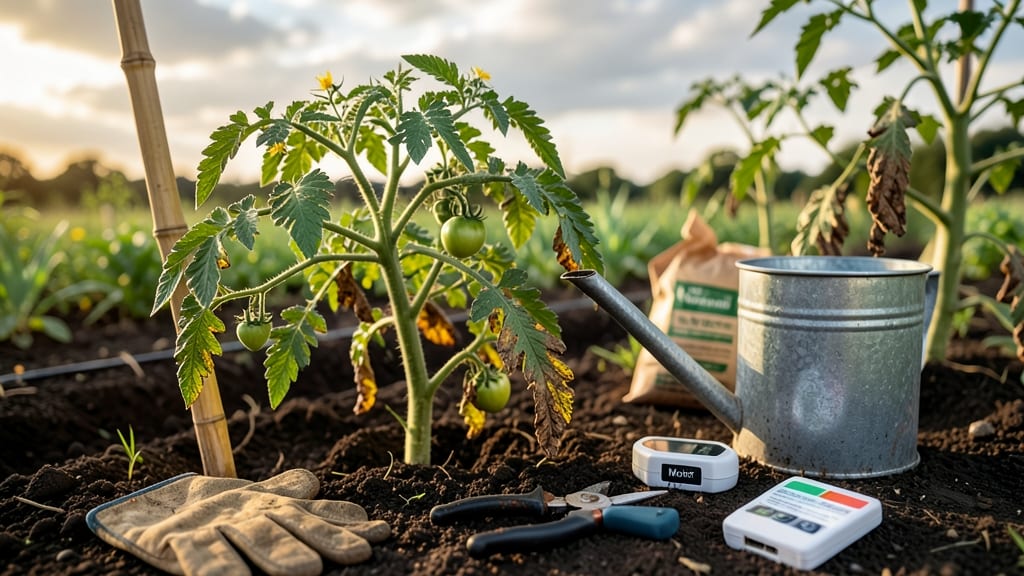
Your droopy tomato plant isn’t a death sentence—it’s a 5-minute wake-up call. 🌱 I’ve nursed back more than my fair share of limp stems, and the fix is simpler than you’d think.
Most of the time, it’s just a matter of checking three things: water, roots, and shade. The good news? You can often see improvement within hours, not weeks.
Overwatering is the #1 culprit, followed by underwatering that leaves roots gasping for moisture. Then there’s heat stress—those floppy stems are basically screaming for relief from midday sun.
I learned the hard way when my prized heirlooms wilted under a scorching July sky, but now I’ve got a foolproof routine to revive them fast. No fancy tools needed, just your hands and a little observation.
Start by checking the soil—it should feel like a damp sponge, not a swamp or a desert. If the roots are exposed or the soil smells sour, you’ve got a bigger issue to address.
Once you adjust the water and move the plant to cooler shade, you’ll often see those stems perk up within 30 minutes to 2 hours. The best part? This fix works for both container tomatoes and in-ground plants.
Prevention is where the real magic happens. Mulch heavily to keep roots cool, water deeply in the morning, and watch for those first signs of droop—because catching it early means no lost harvest. Trust me, your tomatoes will thank you with juicier, sweeter fruit by season’s end.
Root Causes Of Wilting Tomatoes
When your tomato plants start looking too relaxed—think droopy stems, limp leaves, or even a sad, floppy posture—it’s usually their way of screaming for help. 🚨 Understanding the why behind the wilt is half the battle in reviving them.
Let’s break down the most common culprits, backed by science, so you can diagnose and fix the issue fast.
Tomatoes are thirsty, but too much water can drown their roots. When soil stays soggy, oxygen can’t reach the roots, leading to anaerobic conditions—a fancy term for "roots suffocating." This disrupts nutrient uptake, causing the plant to wilt as it struggles to transport water and minerals upward.
Key signs:
- Yellowing leaves (especially lower ones)
- Mushy, blackened stems at the base
- Waterlogged soil that stays damp for days
Why it happens:
- Compacted soil prevents water from draining, trapping roots in a wet, oxygen-poor environment.
- Overzealous watering (especially in clay or heavy soils) can lead to root rot, where fungi or bacteria attack weakened roots.
- Lack of containers with drainage holes turns pots into water traps, mimicking a swamp for your plants.
Pro tip: 💡 Stick your finger 2 inches into the soil—if it’s damp, wait. If it’s dry, water deeply but only until the top 6 inches are moist. Raised beds or containers with perforated pipes improve drainage.
Tomatoes are heavy drinkers, especially during hot spells. When they don’t get enough water, their cells plasmolyze—a process where water leaves the plant tissues, causing leaves to curl and droop like a deflated balloon. 🎈
Why it happens:
- Inconsistent watering leads to moisture stress, where roots can’t keep up with the plant’s demand.
- High temperatures (above 90°F/32°C) increase transpiration—water evaporates faster than roots can absorb it.
- Shallow root systems (common in young plants or those in small containers) can’t reach deep water sources.
Key signs:
- Dry, crispy leaf edges
- Wilting that doesn’t recover after watering (a sign of permanent damage)
- Soil pulling away from pot edges (extreme dryness)
Pro tip: 🌡️ Water early in the morning to reduce evaporation, and use mulch (straw or wood chips) to retain moisture. For potted tomatoes, self-watering systems or drip irrigation keep roots consistently hydrated.
Tomatoes are nutrient hogs, especially when fruiting. A lack of key nutrients can weaken stems and leaves, leading to that classic droopy, exhausted look. The most common offenders?
Why it happens:
Nutrient
Role
Deficiency Signs
Fix It
Potassium (K)
Regulates water movement and cell strength
Yellowing leaf edges ("scorch"), weak stems, drooping even when soil is moist
Add potassium-rich fertilizer (like banana peel tea or greensand) or wood ash
Calcium (Ca)
Strengthens cell walls (prevents blossom end rot)
New leaves cup or curl, stems become soft and prone to snapping
Use crushed eggshells or lime (follow package rates)
Magnesium (Mg)
Helps chlorophyll production (energy for the plant)
Yellowing between leaf veins (starting on older leaves)
Apply Epsom salt (1 tbsp per gallon of water, spray on leaves)
Pro tip: ✨ Test your soil (kits are cheap!) before fertilizing—overdoing it can burn roots. Compost or worm castings provide a balanced, slow-release nutrient boost.
Sap-sucking pests and fungal infections can weaken tomato plants from the inside out, causing sudden wilting. Here’s how they sabotage your plants:
Why it happens:
- Aphids, spider mites, or whiteflies pierce leaves and stems, siphoning off sap and injecting toxins that disrupt water flow.
- Fungal diseases like Fusarium wilt or Verticillium wilt clog the plant’s xylem vessels (its water highways), cutting off hydration.
- Root-knot nematodes (microscopic worms) damage roots, reducing the plant’s ability to absorb water.
Key signs:
- Sticky residue on leaves (aphid "honeydew")
- Yellowing or crispy brown patches on leaves
- Wilting that spreads unevenly (e.g., one branch droops while others stay firm)
- Mushy stems or dark streaks inside the stem (fungal wilt)
Pro tip: 🔥 Isolate affected plants to prevent spread. For pests, neem oil or soapy water sprays work wonders. For fungal wilt, remove and destroy infected plants—there’s no cure, only prevention (use resistant varieties like 'Mountain Merit').
Now that you know the why, the next step is the how. Stay tuned for our 5-minute revival guide to get your tomatoes perking up again! 🍅✨
How to solve it
Seeing your once-vibrant tomato plant sagging like a deflated balloon? Don’t panic—most droopy tomato plants can bounce back with quick action! Below, we’ve mapped out the most common causes of floppiness and the easiest fixes to get your plant perky again.
Plus, we’ll share pro tips to keep your tomatoes thriving so you can enjoy a bountiful harvest. 🍅✨
Tomatoes are thirsty but hate soggy roots. If your plant is drooping, it might be overwatered (roots suffocating) or underwatered (cells wilting). Here’s how to diagnose and fix it:
- Check the soil: Stick your finger 1-2 inches deep. If it’s damp, wait to water. If dry, it’s time for a drink!
- Water deeply but less often: Give your plant 1-2 inches of water per week (more in extreme heat). Water at the base, not the leaves, to prevent disease.
- Improve drainage: If your pot lacks holes or soil stays soggy, mix in perlite or compost to aerate it.
- Mulch to retain moisture: Spread 2-3 inches of straw or shredded leaves around the base to keep soil evenly moist.
💡 Pro Tip: If your plant is severely overwatered, let the top 2-3 inches of soil dry out completely before watering again. Yellowing leaves? That’s a red flag for root rot—trim affected leaves and repot if needed.
Tomatoes love sun, but intense afternoon heat can cause wilting. If your plant looks crispy or limp in the hottest part of the day, it’s time to cool it down:
- Shade cloth to the rescue: Use a 30-50% shade cloth to block harsh midday rays (11 AM–3 PM). Secure it loosely so airflow isn’t blocked.
- Water in the morning: Deep watering early in the day gives roots time to absorb moisture before the heat peaks.
- Mist leaves (carefully): Lightly misting can help, but avoid wetting leaves at night to prevent fungal issues.
- Reflective surfaces: Place a white tray or board near the plant to bounce light away from the soil and roots.
🌡️ Pro Tip: If your area gets above 90°F (32°C), consider growing tomatoes in partial shade or use a row cover for extra protection.
Floppy stems can signal weak roots from poor soil or lacking nutrients. Tomatoes are heavy feeders—here’s how to give them a boost:
- Test your soil: A simple pH test kit (aim for 6.0–6.8) or a soil test from your local extension office can reveal deficiencies.
- Add compost or fertilizer:
- For nitrogen deficiency (yellow lower leaves): Use a balanced fertilizer (10-10-10) or compost tea.
- For potassium deficiency (weak stems, brown edges): Try a banana peel tea or wood ash.
- For phosphorus deficiency (purple stems): Add bone meal or rock phosphate.
- Top-dress with mulch: Spread a layer of well-aged compost around the base (but not touching the stem) to feed roots slowly.
- Repot if needed: If roots are circling or soil is compacted, move your plant to a larger container with fresh, nutrient-rich soil.
💡 Pro Tip: Epsom salt (1 tbsp per gallon of water) can help with magnesium deficiency, but use it sparingly—too much can harm plants.
Strong winds or rough handling can bruise stems or break branches, causing droopiness. Here’s how to reinforce your tomato:
- Stake or cage it: If your plant isn’t supported, install a sturdy stake, cage, or trellis immediately. Use soft ties (like old T-shirts) to avoid cutting into the stem.
- Prune damaged branches: Snip off any broken or wilted stems with clean pruners to redirect energy to healthy growth.
- Windbreaks for outdoor plants: Use a temporary fence, bamboo screen, or even a large cardboard box to block harsh winds.
- Hand-pollinate if needed: If flowers aren’t setting fruit due to wind, gently shake the plant or use a small brush to transfer pollen.
✨ Pro Tip: For determinate tomatoes (bush varieties), a tomato cage is your best friend—it provides built-in support and protection.
Pests like aphids, spider mites, or fungal infections can sap your plant’s strength, leading to droopiness. Act fast with these fixes:
- Identify the culprit:
- Aphids: Tiny green/black bugs on stems/leaves.
- Spider mites: Fine webbing on undersides of leaves.
- Early blight: Brown spots with yellow halos on lower leaves.
- Fusarium wilt: Sudden wilting (often in one branch), yellowing leaves.
- Remove pests manually:
- Spray soapy water (1 tsp mild soap per quart of water) on aphids.
- Wipe off spider mites with a damp cloth or spray with neem oil.
- Treat fungal diseases:
- Remove infected leaves and dispose of them (don’t compost!).
- Apply copper fungicide or a baking soda spray (1 tsp baking soda + 1 quart water + a drop of soap).
- Prevent future infestations:
- Rotate crops yearly to avoid soil-borne diseases.
- Water at the base to keep leaves dry.
- Plant marigolds or basil nearby to repel pests.
🔥 Pro Tip:
Frequently asked questions
Why does my tomato plant droop in the afternoon but perks up at night?
This classic pattern usually means heat stress or underwatering. During hot afternoons, your plant loses moisture faster than roots can replace it. Water deeply in the morning and use mulch to retain moisture. If the droop persists, provide afternoon shade with a 30-50% shade cloth during peak sun hours (11 AM–3 PM).
Can I save an overwatered tomato plant with droopy stems?
Yes, but act fast! Stop watering immediately and let the top 2-3 inches of soil dry out completely. If roots are healthy, the plant should recover in 1-2 days. For severe cases, trim yellow leaves and repot in fresh, well-draining soil with perlite. If the stem feels mushy or black, root rot has set in—remove the plant to prevent spreading.
How do I tell if my droopy tomato plant needs water or nutrients?
Check the soil first: if it's dry 2 inches deep, water deeply. If soil is moist but leaves are still limp, it's likely a nutrient deficiency. Look for these clues: Yellow lower leaves = nitrogen; brown leaf edges = potassium; purple stems = phosphorus. Try a balanced fertilizer or compost tea, and test your soil pH (aim for 6.0-6.8).
Will pruning help a droopy tomato plant recover?
Pruning alone won't fix the root cause, but it can help! Remove any wilted, yellow, or diseased leaves to redirect energy to healthy growth. Focus on cutting back suckers (side shoots) and any branches blocking airflow. For severely droopy plants, prune back by one-third to reduce stress, then address the underlying issue (water, heat, or nutrients).
Can I revive a tomato plant that's been droopy for more than a week?
It depends! If the stems feel soft or hollow, root damage may be permanent. However, if only leaves are limp but stems stay firm, recovery is possible. Start with deep watering, move to cooler shade, and fertilize with compost. Monitor for 24-48 hours