
Pests and Diseases
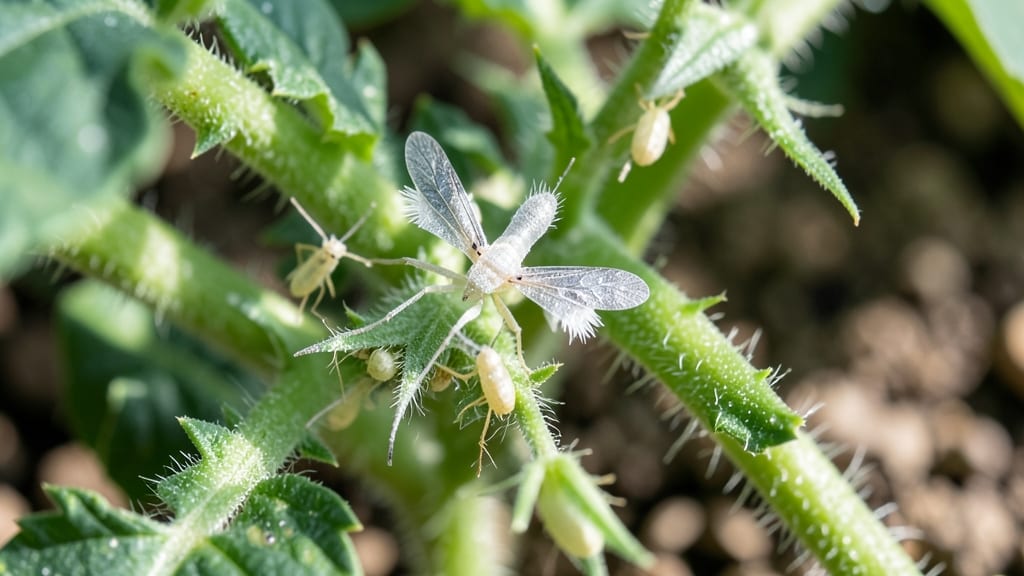
Whiteflies on tomato plants turn your thriving vines into sticky, sad shadows—until you know the right soap spray rescue. 🌿 I’ve battled these tiny white pests for years, and I’ll show you how to reclaim your plants with a simple, effective spray that works in minutes.
The key is acting fast: these pests multiply like crazy, and their sticky residue blocks sunlight. A homemade soap spray (just a few ingredients) disrupts their life cycle while being safe for your tomatoes.
You’ll see results after just one application, with plants looking healthier and more vibrant within a week. This method isn’t just about killing whiteflies—it’s about preventing future outbreaks too.
The soap spray creates a protective barrier that deters new pests, and you’ll avoid the heartbreak of watching your harvest shrink before your eyes. Best part? It works for container gardens, raised beds, and backyard plots alike. Let’s get those tomato leaves clean and those plants thriving again!
Root Causes of Tomato Plant Infestations
Whiteflies may seem like tiny, harmless nuisances, but they’re actually drawn to tomato plants for very specific—and often preventable—reasons. Understanding these triggers helps you take targeted action before an infestation spirals out of control. Let’s break down the science behind why these pests choose your tomatoes as their next meal.
Whiteflies thrive where plants are weak, and stressed or overcrowded tomato plants are prime targets. Here’s why:
- Poor Air Circulation – When tomato plants grow too close together, humidity rises and airflow stagnates. Whiteflies love this environment because it keeps their eggs moist and slows natural predators like ladybugs. - Nutrient Deficiencies – Plants lacking nitrogen, phosphorus, or potassium are less resilient.
Weak foliage emits volatile organic compounds (VOCs) that attract whiteflies, signaling "easy prey." - Root Stress – Compacted soil, drought, or overwatering disrupt root systems, forcing plants to divert energy to survival instead of defense. Stressed roots can’t produce enough sticky resin (a natural pest deterrent).
Actionable Fix: ✅ Prune plants to improve airflow (aim for 12–18 inches between stems). ✅ Test soil pH (ideal: 6.0–6.8) and amend with compost for balanced nutrients. ✅ Water deeply but infrequently to avoid root rot.
Whiteflies don’t just feed on sap—they’re drawn to the byproducts of other pests. Here’s the vicious cycle:
- Aphids & Spider Mites First – These pests damage leaves, creating "wounds" that ooze sap.
The sugary residue (honeydew) attracts whiteflies, which then lay eggs in the sticky mess. - Fungal Lures – Honeydew also feeds sooty mold, which blackens leaves and further stresses the plant, making it more appealing to whiteflies. - Chemical Signals – Damaged plants release alarm pheromones that whiteflies detect from up to 20 feet away.
Actionable Fix: 🔥 Break the cycle by treating aphids/mites first with neem oil or insecticidal soap. 🌡️ Wipe down leaves with a damp cloth to remove honeydew and disrupt egg-laying sites.
Whiteflies are tropical pests at heart—they need specific conditions to survive:
- Temperature Preferences – They thrive in 75–90°F (24–32°C). Greenhouses, black plastic mulch, or south-facing gardens create ideal heat traps. - Underside Leaf Havens – Whiteflies cluster on the bottom of leaves where it’s darker and more humid.
They avoid direct sunlight, which dries out their waxy coating. - Wind Protection – Fences, walls, or dense foliage block natural wind, reducing evaporation and keeping humidity high—perfect for egg development.
Actionable Fix: ✨ Increase airflow with fans or strategic pruning. 🎯 Reflective mulch (like aluminum foil) can raise soil temps but lower leaf surface temps, making plants less appealing. 🌿 Rotate plants to expose all sides to sunlight.
Even well-meaning gardeners can unintentionally invite whiteflies:
- Contaminated Tools/Soil – Reusing pots, trellises, or soil from infested areas transfers eggs or pupae. - Nearby Host Plants – Whiteflies love cucumbers, peppers, and weeds (like lambsquarters).
These act as "nursery grounds" before migrating to tomatoes. - Overuse of Broad-Spectrum Pesticides – Chemicals kill beneficial insects (like parasitic wasps) that control whitefly populations naturally.
Actionable Fix: 💡 Quarantine new plants for 2 weeks before introducing them to your garden. 🔪 Remove weeds within a 10-foot radius of tomato beds. 🛡️ Use targeted sprays (e.g., pyrethrin-based) only when necessary, and pair them with beneficial insect releases.
Whiteflies follow a predictable (but adaptable) schedule:
- Peak Seasons – They surge in late spring to early fall when nights stay warm.
In warmer climates (Zones 8–11), they may infest year-round. - Dry Climates – Low humidity forces whiteflies to seek out the most water-rich plants—often tomatoes with thick, juicy leaves. - Urban Heat Islands – Concrete and pavement radiate heat, creating microclimates that extend the whitefly season by 2–4 weeks.
Actionable Fix: 📊 Monitor local pest reports (via [University Extension Services](https://www.extension.org/)) to time interventions. 🌡️ Use shade cloth (30–50% coverage) in peak summer to reduce stress and attractiveness to pests.
Key Takeaway: Whiteflies don’t choose tomato plants randomly—they’re responding to environmental cues you can control. By addressing stress, breaking pest cycles, and disrupting their ideal conditions, you’ll make your garden a less appealing buffet. 🚫🍽️
How to Fix Sticky Tomato Plant Pests
Now that you know what’s causing those pesky whiteflies to invade your tomato plants, it’s time to take action! These tiny insects may seem harmless, but they can quickly turn your lush garden into a sticky, yellowed mess. The good news?
With the right strategies, you can banish whiteflies for good—and keep your tomatoes thriving. Below, we’ll break down targeted solutions based on the root causes, from quick fixes to long-term prevention. Grab your gloves and let’s get started!
When whiteflies strike, speed is key. These pests multiply rapidly, so act within 24–48 hours of spotting them to prevent an outbreak.
🍳 DIY Soap Spray: The Gardeners’ Secret Weapon
Whiteflies hate soap—literally. A homemade soap spray disrupts their protective wax layer, dehydrating them on contact. Here’s how to make it:
What You’ll Need:
- 1 tbsp mild liquid dish soap (like Dawn—avoid harsh detergents!)
- 1 quart lukewarm water
- Optional: 1 tsp neem oil (for extra pest-deterring power)
How to Apply:
- Mix gently in a spray bottle (neem oil may need shaking).
- Spray directly on the undersides of leaves (where whiteflies love to hide).
- Reapply every 5–7 days until pests disappear.
- Test on a small leaf first—some plants are sensitive to soap!
✨ Pro Tip: Spray early in the morning or late evening to avoid harming beneficial insects like ladybugs.
👨🍳 Yellow Sticky Traps: Lure & Trap
Whiteflies are drawn to yellow—use this to your advantage with sticky traps. Hang them near but not touching your plants to catch adults before they lay eggs.
How to Set Up Traps:
- Buy pre-made yellow sticky cards (available at garden centers) or make your own with yellow cardstock + sticky glue.
- Place 1–2 traps per 100 sq. ft. of garden.
- Check traps daily and replace when saturated with pests.
💡 Prevention Hack: Hang traps before whiteflies appear—this can prevent infestations entirely in high-risk areas.
🥘 Neem Oil Spray: Natural & Effective
Neem oil is a powerhouse for whiteflies because it disrupts their life cycle (eggs, larvae, and adults). It’s also safe for most plants when used correctly.
DIY Neem Oil Recipe:
- 1 tbsp neem oil
- 1 tsp honey or dish soap (as an emulsifier)
- 1 quart water
Application Tips:
- Spray evenly on all leaf surfaces, focusing on undersides.
- Reapply every 7–10 days or after rain.
- Avoid spraying in direct sunlight (can burn leaves).
⚠️ Warning: Neem oil may harm beneficial insects like bees—apply only in the evening.
Prevention is far easier than treatment. Once you’ve kicked out the current infestation, fortify your garden to keep whiteflies away for good.
🌡️ Optimize Growing Conditions
Whiteflies love heat and stress—so stress-proof your tomatoes!
- Water deeply but infrequently (let soil dry slightly between waterings).
- Mulch around plants to retain moisture and regulate soil temp.
- Avoid over-fertilizing with nitrogen (weakens plants, making them pest magnets).
🌱 Plant Smart: Interplant tomatoes with basil, marigolds, or garlic—these repel whiteflies naturally.
🎯 Introduce Beneficial Predators
Nature’s free pest control? Ladybugs, lacewings, and parasitic wasps devour whiteflies! Order them online or attract them with:
- Dill, fennel, or cilantro (lure for beneficial insects).
- A shallow water dish with pebbles (hydration station for predators).
🔥 Bonus: Release predators at dusk when they’re most active.
🛡️ Physical Barriers: Keep Whiteflies Out
If your garden is chronically plagued, block whiteflies before they land:
- Fine mesh netting over tomato cages (especially for greenhouse or container growers).
- Row covers (lightweight fabric) for young plants.
✨ Genius Hack: Reflective mulch (like aluminum foil) confuses whiteflies and deters them from landing.
If your tomato plants are severely infested (yellowing leaves, stunted growth, sooty mold), don’t panic—but act fast.
For large-scale gardens, consider: - Systemic insecticides (like imidacloprid)—use as a last resort (can harm pollinators). - Professional pest control if whiteflies are part of a larger pest ecosystem.
Final Thought: Whiteflies may be annoying, but they’re not invincible. With soap sprays, sticky traps, neem oil, and smart gardening, you’ll reclaim your tomato plants in no time. Stay vigilant, keep your garden healthy, and enjoy those juicy tomatoes—pest-free! 🍅💪
Frequently asked questions
How do I know if my tomato plants have whiteflies?
Look for tiny white moth-like insects on the undersides of leaves, especially near new growth. You’ll also spot their sticky honeydew residue on leaves and a black sooty mold growing where the honeydew collects. Shake plants over white paper—whiteflies will flutter away, confirming the infestation.
Can I use regular dish soap to make a whitefly spray?
Yes, but use mild liquid dish soap like Dawn (avoid harsh detergents). Mix 1 tablespoon with 1 quart of lukewarm water and spray directly on affected areas. Test on a small leaf first—some plants are sensitive to soap. Reapply every 5-7 days until pests disappear.
Will neem oil harm my tomato plants?
Neem oil is generally safe for tomatoes when used correctly. Mix 1 tablespoon with 1 teaspoon of soap and 1 quart of water, then spray on leaves. Avoid applying in direct sunlight (can cause leaf burn) and don’t use during flowering if you want to preserve pollinators. Always test on a small area first.
How long does it take for whitefly treatments to work?
You should see noticeable improvement after 3-5 days of consistent treatment, with significant reduction in 1-2 weeks. For severe infestations, combine methods (soap spray + sticky traps + neem oil) for faster results. Monitor plants daily and reapply treatments as needed.
Can whiteflies spread to other plants in my garden?
Whiteflies easily migrate to nearby plants, especially cucumbers, peppers, and weeds. Remove all infested plants immediately and quarantine new plants for 2 weeks before introducing them to your garden. Place yellow sticky traps around the garden perimeter to catch migrating adults.