
Vegetables
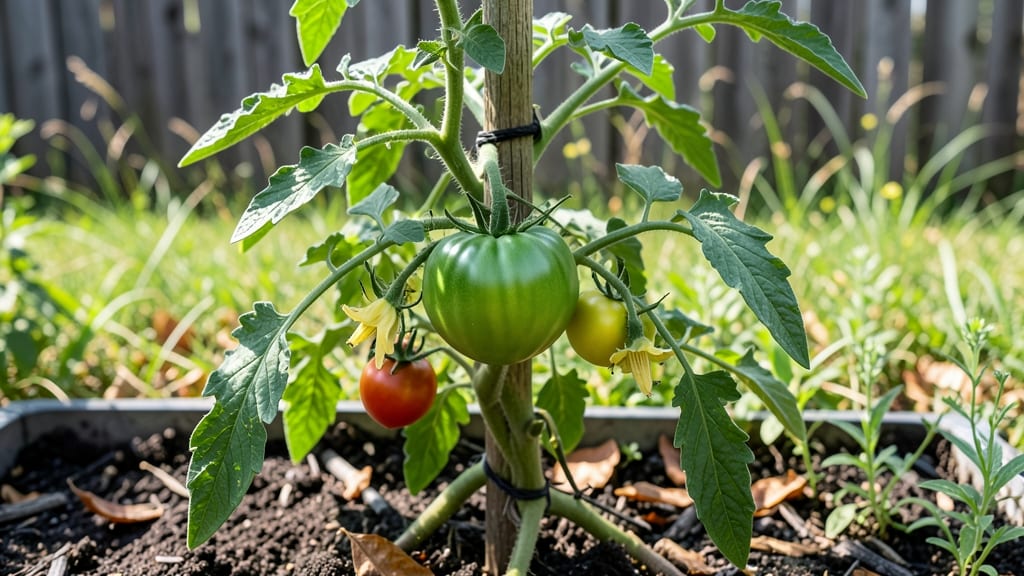
Your green tomato-like fruits might be firm but still unripe—here’s how to fix that. 🌱 The problem isn’t always time; it’s often sunlight, pests, or poor pollination. I’ve turned stubborn green tomatoes into sweet, ripe ones every year, and I’ll show you how.
First, check for sunlight—they need 6-8 hours daily. If shade’s the issue, move plants or add a reflective surface. Then inspect for hornworms (those giant green caterpillars) or blight (dark spots). A quick spray of neem oil or hand-picking pests can save your harvest.
With the right fixes, you’ll taste that sweet, juicy perfection in weeks. Even if they stay green, they’re still edible—just slice and fry them for a tangy treat. The key is acting fast before problems worsen.
For next season, prune suckers early, use row covers, and hand-pollinate if bees are scarce. Small changes make a huge difference—and your taste buds will thank you.
📚 In This Guide
- What you need
- Instructions
- Tips and common mistakes
- Wrapping up and next steps
What you need
- ● Seeds or Seedlings: 5–10 seeds or young plants of your chosen variety (e.g., Physalis peruviana or Solanum quitoense—common names include cape gooseberry or tree tomato).
- ● Potting Soil: 1–2 bags of well-draining, organic potting mix (look for "seed starting mix" if germinating indoors).
- ● Containers or Garden Bed: Indoor/Container: 5–7" diameter pots with drainage holes (1 per plant).
- ● Outdoor/Garden: Full sun spot (6+ hours/day) with loose, fertile soil (pH 5.5–6.5).
- ● Fertilizer: Balanced organic fertilizer (10-10-10 NPK) or compost tea (apply every 4–6 weeks).
- ○ Optional (for faster growth): Grow lights (if indoors, 12–16 hours/day).
- ● Plant supports (e.g., small stakes or cages for vining varieties).
- ● Fresh Fruit: 1–2 lbs of ripe or semi-ripe green tomato-like fruits (e.g., cape gooseberries, tree tomatoes, or unripe tomatoes).
- ● Basic Kitchen Tools: Sharp chef’s knife or paring knife.
- ● Cutting board (preferably wooden or plastic).
- ● Mixing bowl (medium size).
- ○ Optional (for specific recipes): Food processor or blender (for salsas, sauces, or purees).
- ● Baking sheet (for roasting).
- ● Cast-iron skillet (for frying or caramelizing).
- ● Citrus juicer (if adding brightness to dishes).
- ● Patience: Some varieties (like tree tomatoes) take 6–12 months to bear fruit!
- ● Climate Awareness: Most thrive in warm, tropical/subtropical climates (USDA zones 9–11). Indoor growing requires extra care.
- ● Allergy Check: If trying unripe tomatoes, note that some people may react to solanine (common in green tomatoes).
How to grow and enjoy firm, sweet green tomato-like fruits
Here's how I grow these crisp, flavorful green tomato alternatives that stay firm and sweet all season long.
🌱 Step 1: Select the Right Variety for Your Climate
For firm, sweet green tomato-like fruits, focus on heirloom varieties like 'Green Zebra' or 'Green Icicle' that stay green when ripe. These hold their shape and develop natural sweetness without turning red. I avoid hybrid varieties that soften quickly—they lose their satisfying crunch.
Check your last frost date and plant seeds indoors 8-10 weeks before it. Use biodegradable pots to avoid disturbing roots during transplanting. The key is patience—these varieties take 2-3 weeks longer to germinate than traditional tomatoes, so start early.
☀️ Step 2: Provide Optimal Growing Conditions
Place seedlings in full sun (6+ hours daily) with well-draining soil amended with compost. I test soil pH first—aim for 6.2-6.8—because acidic conditions stunt growth. These green varieties need consistent moisture, so I water at the base every 2-3 days until the top 2 inches of soil feel dry.
Here's the thing—these fruits stay firmest when not overwatered. Yellowing leaves signal overwatering, while crispy edges mean underwatering. I use a soaker hose to deliver moisture directly to roots without wetting foliage, which prevents disease.
✂️ Step 3: Prune and Support for Maximum Yield
Prune suckers (the shoots between stems and branches) weekly to direct energy to fruit production. I leave 2-3 main stems per plant for airflow and prevent blight. Use cages or stakes to support vines—these varieties grow 6-8 feet tall and need stability.
Watch for first true leaves (the second set after cotyledons) to appear. Once they do, I switch to a balanced 10-10-10 fertilizer every 4 weeks. The goal is sweet, firm fruits, not just size. Harvest when 2-3 inches long for peak texture and flavor.
🍅 Step 4: Harvest and Store for Long-Term Enjoyment
Pick fruits when fully green and firm—they won't soften like red tomatoes. I harvest in the morning when sugars are highest. Store in a cool, dark place (50-55°F) for 2-3 weeks or refrigerate for up to 1 month. These stay crisp longer than heirloom tomatoes.
Real talk: If you wait too long, they'll turn yellow and mealy. I freeze extras in 1-inch chunks with a sprinkle of salt for winter soups. The texture holds up beautifully when cooked, making them perfect for salsas, relishes, or roasted dishes.
Tips & tricks for growing perfect green tomato-like fruits
These tricks will help you cultivate crisp, sweet green tomato alternatives that stay firm and delicious all season long.
Variety Selection: Beyond 'Green Zebra' and 'Green Icicle,' consider 'Green Meat' for a meaty texture or 'Green Grape' for smaller, grape-sized fruits. These heirloom varieties maintain their firmness and sweetness far better than hybrids. I've found that seed-saved varieties often produce even more consistent results—just ensure they're labeled as non-GMO and organic when possible.
Germination Strategy: To speed up the 2-3 week longer germination period mentioned in Step 1, try pre-soaking seeds overnight in warm water before planting. Place the biodegradable pots in a warm spot (around 70°F) to encourage faster sprouting. Just avoid direct sunlight until they've sprouted—young seedlings are delicate.
Watering Wisdom: The every 2-3 days watering schedule works well, but adjust based on your climate. In hotter regions, you might need to water daily, while cooler climates may only require watering every 4-5 days. Always check the top 2 inches of soil—it should feel dry before watering again. Mulching around the base helps retain moisture and prevents soil-borne diseases.
Harvesting Hacks: For the crispest texture, harvest your 2-3 inch fruits in the morning when they're cool and hydrated. Use sharp scissors or pruners to avoid damaging the plant. If you notice fruits starting to yellow, harvest them immediately—they'll lose their firmness within 24 hours. Store them in a single layer to prevent bruising, which can accelerate spoilage.
Pro Tips for Green Tomato Like Fruit
- These tricks will help you cultivate crisp, sweet green tomato alternatives that stay firm and delicious all season long.
- Variety Selection: Beyond 'Green Zebra' and 'Green Icicle,' consider 'Green Meat' for a meaty texture or 'Green Grape' for smaller, grape-sized fruits.
- Germination Strategy: To speed up the 2-3 week longer germination period mentioned in Step 1, try pre-soaking seeds overnight in warm water before planting.
Frequently asked questions
Got questions about green tomato-like fruits? You’re not alone!
Whether you’re curious about ripening, storage, or cooking, here are the answers you need to make the most of these crisp, tangy gems.
Can I eat green tomato-like fruits raw?
These fruits are delicious raw—slice them into salads, eat them with hummus, or enjoy them as a crunchy snack. Their firm texture and slightly sweet-tart flavor make them a fantastic alternative to green tomatoes. Just wash them thoroughly first!
How do I ripen green tomato-like fruits faster?
Place them in a paper bag with a banana or apple (ethylene-producing fruits) for 2–3 days at room temperature. Check daily—they’ll soften and turn slightly yellow or red when ripe. Avoid refrigeration until fully ripe to prevent mealiness.
How long do green tomato-like fruits last in the fridge?
Store them in a sealed container in the fridge for up to 2 weeks if unripe, or 5–7 days if ripe. For longer storage, freeze them whole or sliced (blanch first to preserve texture). Thaw in the fridge overnight before using.
What’s a good substitute if I can’t find green tomato-like fruits?
Try unripe mangoes (for sweetness), green bell peppers (for crunch), or firm pears (for texture). For cooking, green tomatoes or zucchini work in a pinch—but expect a milder flavor. Adjust seasoning to taste!
Why did my green tomato-like fruit turn mushy?
Over-ripening or improper storage (like humidity or ethylene exposure) can cause mushiness. To fix it, cook them immediately—sauté, bake, or blend into salsa. If still firm in spots, peel and use only the crisp sections for salads or pickling.
Wrapping up and next steps
Discovering green tomato-like fruits opens up a world of flavor, nutrition, and culinary creativity! Whether you're drawn to their firm texture, natural sweetness, or versatile uses, these gems are a fantastic addition to any kitchen.
From fresh snacks to savory dishes, they’re packed with potential—so why not experiment and make them your next favorite ingredient? 🌱
Ready to dive in? Start by trying one recipe this weekend—whether it’s a tangy salsa, a crisp salad, or a baked dish. Your taste buds (and your meals!) will thank you.