
Vegetables
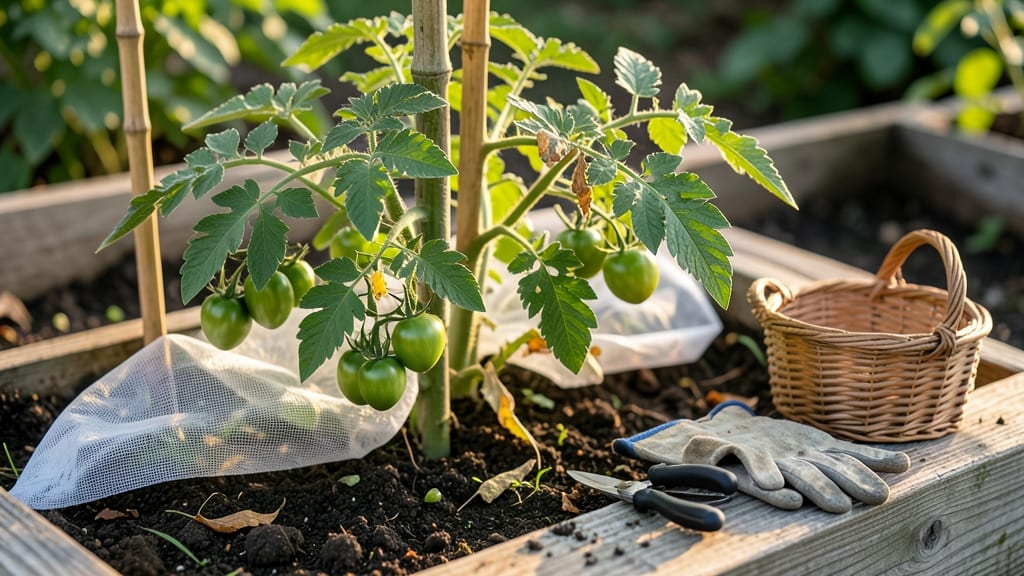
Green tomato season is your chance to salvage flavor before frost hits — but timing it right means the difference between a burst of sweetness and a wasted harvest.
Struggling to decide when to harvest those vibrant green tomatoes before they ripen? Timing is everything — pick too early, and you’ll miss peak flavor; wait too long, and you risk losing them to frost or overripening.
In USDA Zone 6a, where spring planting starts around April 15 and frost arrives by October 15, green tomatoes often peak in late August or September. That’s when you’ll need to act fast to avoid losing your crop to cooler nights.
Below, I’ll break down the exact harvest window for your region, how to ripen green tomatoes indoors for perfect flavor, and pro tips to extend your tomato-growing season — so you never have to choose between flavor and frost again.
Optimal green tomato harvesting timeline by climate zone
Timing your green tomato harvest depends on your USDA climate zone and first frost dates. In Zones 3-5, where summers are short, tomatoes often ripen by late August, but frost risks mean you may need to harvest green by early October.
Meanwhile, Zones 6-10 enjoy longer growing seasons, allowing for later harvests—sometimes even into November. Understanding these regional differences helps you balance flavor preservation and crop loss.
For early harvests, aim to pick green tomatoes when they reach mature size but remain firm—typically 60-75 days after transplanting. This trade-off ensures you salvage edible fruit before frost, though flavor won’t be as rich as vine-ripened.
In contrast, late harvests in warmer zones can yield fully ripe tomatoes, but delaying too long risks overripening or disease.
Here’s how to align your harvest with your climate zone and frost dates for maximum success:
| USDA Zone | Avg. Last Frost | Ideal Harvest Window | Green Harvest Cutoff | Notes |
|---|---|---|---|---|
| Zones 3-4 | Mid-May to early June | Late July to early August | Early September | Short season; prioritize early varieties. |
| Zones 5-6 | Late April to mid-May | Mid-August to mid-September | Late September | Harvest green 2-3 weeks before frost. |
| Zones 7-8 | Mid-March to early April | Late August to October | Mid-October | Longer season; extend with row covers. |
| Zones 9-10 | No frost or rare | September to November | Late November (if needed) | Frost-free; focus on disease prevention. |
In Zones 3-5, where summers are brief, I recommend planting early-maturing varieties like 'Early Girl' or 'Stupice'. These can produce harvestable fruit in as few as 50-60 days, giving you a head start before early frost arrives.
For Zones 6-8, varieties like 'Better Boy' or 'Cherokee Purple' thrive with longer seasons, but watch for late blight in humid climates.
If you’re in a frost-prone zone, start harvesting green tomatoes when they reach 70% of their mature size. This ensures they’re edible and storable while avoiding overgrowth that can lead to cracking.
In warmer zones, delay harvesting until tomatoes show color changes—even if it means picking in October or November.
One critical tip for all zones: Monitor weather forecasts closely. A 5-day frost warning means it’s time to act—harvest all green tomatoes, even if they’re small. You can ripen them indoors later for better flavor than leaving them on the vine to rot.
In my experience, preemptive harvesting saves more tomatoes than waiting for the perfect red hue.
For Zones 9-10, where frost is rare, focus on disease management rather than frost dates. Southern blight and powdery mildew are bigger threats, so prioritize pruning and spaced planting to improve air circulation.
Harvest green tomatoes only if a heatwave or storm damages the plants—otherwise, let them ripen fully on the vine for peak sweetness.
Protecting your green tomato harvest also means knowing when to stop fertilizing. In Zones 5-8, cease nitrogen-heavy feeds by mid-August to encourage fruit ripening over leafy growth.
This shift helps redirect the plant’s energy toward maturing existing tomatoes rather than producing new ones that won’t ripen in time.
Finally, don’t overlook regional microclimates. A south-facing wall or urban heat island can extend your harvest window by 2-3 weeks. Use row covers
How to ripen green tomatoes indoors for perfect flavor
Frost is nipping at your tomato plants, but those green tomatoes still clinging to the vine aren't ready to harvest. Don't toss them! With the right techniques, you can ripen them indoors for that vine-ripened flavor you love.
The key is understanding how to trigger natural ripening using simple household items and proper storage conditions.
Green tomatoes contain ethylene gas, a natural plant hormone that signals ripening. By creating an environment that boosts ethylene production, you can transform those firm green fruits into sweet, red (or yellow, or orange) tomatoes in just a few days.
This method works for Heirloom, Roma, or Cherry varieties alike, making it perfect for your late-season harvest.
Step-by-Step Ripening Guide
- 1 Select the right tomatoes: Choose firm, mature green tomatoes with no soft spots or bruises. Smaller tomatoes ripen faster than larger ones.
- 2 Create an ethylene-rich environment: Place tomatoes in a paper bag with 2-3 ripe bananas or an apple. Seal the bag loosely (leave a small opening for airflow).
- 3 Store in a warm, dark place: Keep the bag in a cool (60-70°F) spot like a pantry or closet. Avoid refrigeration—it slows ripening.
- 4 Check daily for ripeness: Open the bag every 1-2 days to test for ripening. A ripe tomato will yield slightly when gently squeezed and develop color.
- 5 Remove and store properly: Once ripe, transfer tomatoes to the countertop (not fridge) for 2-3 days to develop full flavor. Use within 1 week for best taste.
For faster ripening, try adding a small piece of ripe apple or a dried orange peel to the bag. These natural ethylene sources accelerate the process, especially for large heirloom varieties that need extra time. Just remember: never refrigerate ripening tomatoes—cold temperatures halt the process and ruin texture.
If you're dealing with a large harvest, spread tomatoes on a single-layer tray in a warm, dark cupboard. This prevents rot and allows even ripening. With patience, you'll enjoy tomatoes that taste almost as good as vine-ripened ones—without the waste!
Pro tip: Use ripened tomatoes in salsas, sauces, or fried green tomatoes to maximize their flavor. The key is acting fast once they're ripe to preserve that fresh-picked taste you worked so hard to achieve!