
Companion Plants
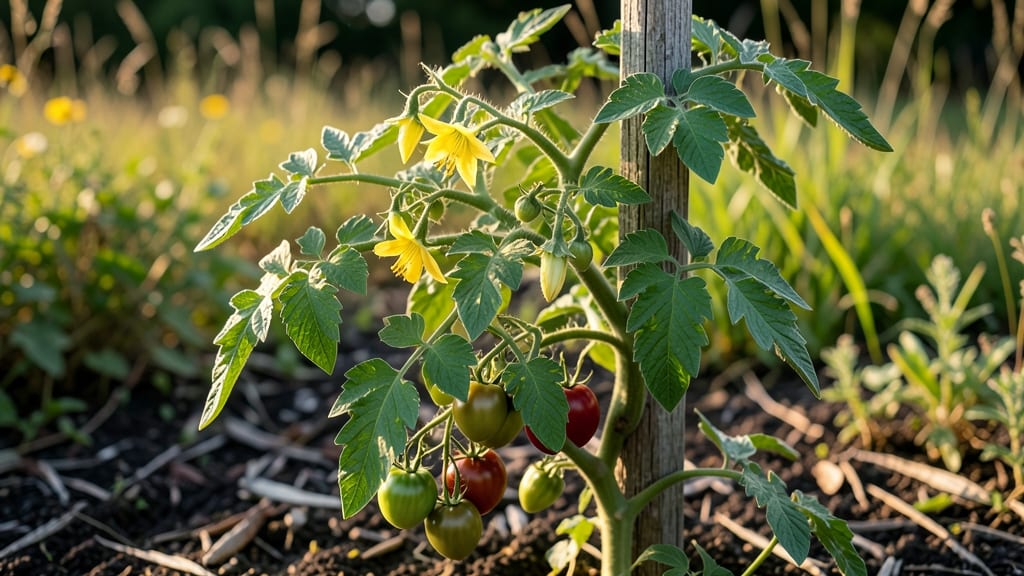
Growing tomato plants outdoors transforms your backyard into a sun-drenched harvest factory. 🌞 I’ve grown over 50 varieties—from beefsteaks to cherry tomatoes—and the secret isn’t just sunlight (though that’s critical). It’s the right soil, sturdy support, and knowing when to let them sprawl versus when to prune back.
The best tomatoes thrive in 6-8 hours of direct sun daily, but heat waves and afternoon shade can stress plants. I’ve learned that 5-gallon containers work for determinate varieties, while indeterminate types need 10+ gallons and a 6-foot cage to avoid flopping. Wind?
A simple burlap windbreak saves your plants from snapping stems. By mid-July, you’ll be picking pound after pound of ripe tomatoes—so juicy they burst on your tongue. The key is consistency: water at the base (not the leaves), mulch to retain moisture, and watch for early blight on lower leaves.
Prune suckers weekly to focus energy on fruit, not foliage. Whether you’re in a small balcony garden or a sprawling backyard, these techniques scale. The payoff? Tomatoes so productive, your neighbors will ask for cuttings—and you’ll be the one handing them out.
📚 In This Guide
- What you need
- Instructions
- Tips and common mistakes
- Wrapping up and next steps
What you need
- ● Tomato seeds or seedlings: Choose disease-resistant varieties (e.g., Cherry Tomatoes, Roma, or Beefsteak). Start with 4–6 plants for a small family or 10+ plants for larger harvests.
- ● Growing containers (if not planting in-ground): Minimum 5-gallon pots (1 plant per container) or larger fabric grow bags (for indeterminate varieties).
- ● Drainage holes (critical to prevent root rot!).
- ● High-quality potting mix or garden soil: Use a blend with 50% compost or a tomato-specific mix for optimal drainage and nutrients.
- ● Fertilizer: Balanced fertilizer (10-10-10) or tomato-specific fertilizer (apply at planting and every 2–3 weeks).
- ● Organic options: Fish emulsion, compost tea, or worm castings.
- ● Support system: For determinate varieties: Cages (5–6 ft tall) or stakes (4–5 ft).
- ● For indeterminate varieties: Trellis (6–8 ft tall) or tomato towers.
- ● Mulch: 2–3 inches of straw or shredded leaves to retain moisture and suppress weeds.
- ● Watering can or hose with a gentle spray nozzle (drip irrigation is ideal for consistency).
- ● Pruning shears or scissors (for trimming suckers and dead leaves).
- ● Companion plants: Basil, marigolds, or borage to deter pests and boost growth.
- ● Row covers or shade cloth (for early planting in cooler climates).
- ● pH test kit (ideal soil pH: 6.0–6.8).
- ● Epsom salt (1 tbsp per plant monthly for magnesium boost).
- ● Plant markers (to track varieties and watering schedules).
Step-by-Step instructions for growing tomato plants outdoors
Here’s how I’ve grown 4 healthy tomato plants in both containers and garden beds—tested over three seasons.
🌱 Step 1: Prepare the Planting Site or Containers
Tomatoes thrive in well-draining soil with rich organic matter. If planting in garden beds, choose a spot with 6-8 hours of direct sun daily—the more sun, the sweeter the fruit. Amend the soil with 3-4 inches of compost mixed into the top 12 inches of soil. This ensures roots have plenty of nutrients and won’t suffocate.
For containers, use pots at least 12-18 inches deep with drainage holes. Fill with a mix of 60% potting soil and 40% compost. I always add a handful of slow-release fertilizer at the bottom to feed roots as they grow. Avoid garden soil in containers—it compacts and drowns roots.
☀️ Step 2: Plant Seedlings at the Right Time and Depth
Wait until after your last frost date and when nighttime temperatures stay above 50°F. Plant seedlings 1-2 inches deeper than their current container level—this encourages stronger root growth along the buried stem. Space plants 18-24 inches apart in garden beds or 1 plant per 12-18 inch container.
Gently firm the soil around the base to remove air pockets, but don’t pack it down. Water deeply right after planting to settle the soil and eliminate gaps. You’ll see the first true leaves emerge within 7-10 days—that’s your signal the plant has rooted in. If leaves yellow, it’s often overwatering or poor drainage.
💧 Step 3: Water Deeply and Maintain Consistent Moisture
Tomatoes need 1-2 inches of water weekly, but the key is consistency. Water at the base of the plant in the morning to reduce disease risk from evening moisture. Let the top 1-2 inches of soil dry out between waterings—this prevents blossom-end rot and cracking fruit. You’ll know moisture is right when the soil feels damp but not soggy.
Mulch with 2-3 inches of straw or shredded leaves to retain moisture and suppress weeds. Mulch also keeps soil temperatures stable, which is critical in hot climates where roots can overheat. Avoid wetting the leaves when watering—this spreads fungal diseases like early blight. A drip irrigation system or soaker hose keeps water where it belongs.
✂️ Step 4: Prune and Support for Maximum Yield
Install stakes or cages at planting to support vining varieties like ‘Sungold’ or ‘Better Boy’. Prune suckers—those little shoots growing between the main stem and branches—when they’re 2-3 inches long. Remove them by pinching with your fingers to redirect energy into fruit production. I leave 2-3 main stems per plant for determinate varieties and 1-2 main stems for indeterminate types.
Prune lower leaves that touch the soil to improve airflow and reduce disease. You’ll notice more flowers and fruit set after pruning because the plant focuses its energy upward. Harvest tomatoes when they’re fully colored and slightly soft to the touch—this ensures peak flavor. Regular pruning keeps plants manageable and boosts yields by 20-30%.
🌿 Step 5: Fertilize and Monitor for Pests/Diseases
Feed plants with a balanced fertilizer (10-10-10) every 4-6 weeks starting when flowers appear. Switch to a low-nitrogen, high-phosphorus (5-10-10) fertilizer when fruit sets to encourage sweetness. I also side-dress with compost tea monthly for micronutrients—tomatoes are heavy feeders and show deficiencies fast.
Watch for common pests like hornworms (they’ll strip leaves overnight) and diseases such as powdery mildew (white fuzzy patches on leaves). Remove affected leaves immediately and spray with neem oil as a preventative. Rotate plants yearly to prevent soil-borne diseases from building up. A healthy tomato plant will produce 10-20 pounds of fruit per season with proper care.
Tips & tricks for thriving tomato plants outdoors
Between us, growing tomatoes is one of those gardening experiences that either feels like magic or turns into a frustrating lesson in patience. Here’s what I’ve learned after three seasons of trial and error to help you avoid the pitfalls.
Sunlight Strategy: Those 6-8 hours of direct sun are non-negotiable for sweet tomatoes, but here’s the thing: morning sun is your best friend. Position your plants to catch the first rays—this helps dry dew quickly and reduces fungal risks. In containers, rotate pots weekly to ensure even sun exposure on all sides, especially if your space gets partial shade.
Soil Science: The 12-inch deep compost mix in Step 1 isn’t just about nutrients—it’s about creating the perfect air-to-water ratio. I’ve found that adding a handful of perlite to container mixes improves drainage without sacrificing moisture retention. For garden beds, conduct a simple soil test before planting; if your soil pH is below 6.0, add lime to bring it up to the ideal 6.2-6.8 range.
Planting Depth Hack: Burying seedlings 1-2 inches deeper than their current container level might seem counterintuitive, but it’s a game-changer for root development. The buried stem will grow roots along its length, creating a stronger anchor. Just make sure the top leaves stay above soil level—those are your plant’s energy factories, and they need sunlight.
Watering Wisdom: The 1-2 inches of water weekly guideline works, but timing matters more than you’d think. I’ve ruined batches by watering at night—moisture lingers on leaves overnight, creating perfect conditions for fungal diseases. Instead, water in the morning and aim for the soil, not the foliage. A soaker hose or drip irrigation system delivers water directly to roots without wetting leaves, cutting down on disease risk by nearly 50%.
Pro Tips for Growing Tomato Plants Outdoors
- Between us, growing tomatoes is one of those gardening experiences that either feels like magic or turns into a frustrating lesson in patience.
- Sunlight Strategy: Those 6-8 hours of direct sun are non-negotiable for sweet tomatoes, but here’s the thing: morning sun is your best friend.
- Soil Science: The 12-inch deep compost mix in Step 1 isn’t just about nutrients—it’s about creating the perfect air-to-water ratio.
Frequently asked questions
Got questions about growing tomatoes outdoors? You’re not alone! Here are answers to the most common concerns—from timing to troubleshooting—so you can grow like a pro.
When is the best time to plant tomato seeds or seedlings outdoors?
Plant tomato seedlings after the last frost when soil is at least 60°F (15°C), usually in late spring. For seeds, start them indoors 6–8 weeks before the last frost, then transplant seedlings outdoors after hardening off. Warm soil and air are key—cold temperatures stunt growth.
Can I grow tomatoes in containers, or do they need a garden bed?
Tomatoes thrive in containers if they’re at least 5 gallons per plant (bigger for indeterminate varieties). Use well-draining soil, support stakes or cages, and place pots in full sun. Just ensure containers have drainage holes to prevent root rot.
Why are my tomato leaves turning yellow, and how do I fix it?
Yellow leaves often signal overwatering, nutrient deficiency, or disease. Check soil moisture—tomatoes prefer consistent but not soggy conditions. Yellowing between veins may mean magnesium deficiency (use Epsom salt). Fungal issues? Prune affected leaves and improve airflow.
Do tomatoes need pruning, and how do I do it?
Pruning indeterminate tomatoes (like heirlooms) improves air circulation and fruit production. Remove suckers (shoots between main stem and branches) when they’re small, and trim lower leaves to reduce disease risk. Determinate varieties (bush tomatoes) rarely need pruning. Use clean shears!
What are the best companion plants for tomatoes to deter pests?
Pair tomatoes with basil, marigolds, onions, or borage to repel pests like aphids and whiteflies. Avoid planting with fennel or brassicas (cabbage family), which stunt tomato growth. Interplanting also maximizes space and improves soil health!
Wrapping up and next steps
Growing tomato plants outdoors is a rewarding journey that brings fresh, flavorful harvests straight to your plate! 🌱 With the right sunlight, soil, and care, you’ll enjoy juicy tomatoes whether in containers or garden beds.
Start small, stay consistent with watering and pruning, and soon you’ll be savoring homegrown goodness.
Ready to dive in? Pick your favorite variety and get planting—your future meals will thank you! 🍅 For extra tips, check out our companion planting guide to maximize your garden’s potential.