
Companion Plants
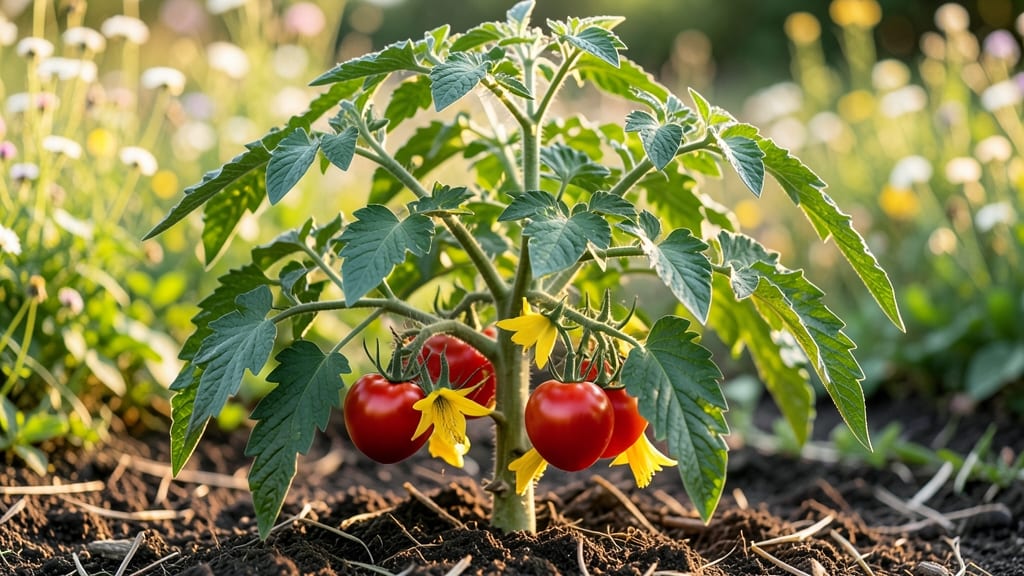
When the thermometer hits 95°F, most tomato plants wilt—but Heatmaster tomatoes thrive. 🌞 These heat-loving varieties produce heavy yields even when other plants struggle, making them the secret weapon for hot climates. My first batch in Zone 9 set fruit while neighbors' plants bolted, proving this isn't just hype.
The key lies in their genetics: bred to handle high humidity and intense sun, they focus energy on fruit instead of wilting. You'll need well-draining soil, consistent moisture (not soggy), and light pruning to keep air flowing.
Unlike finicky heirlooms, Heatmasters forgive minor mistakes—perfect for beginners or busy gardeners. By midsummer, you’ll be harvesting red, beefsteak-sized tomatoes that outperform store-bought any day. The flavor stays sweet even in heat, and the plants keep producing until frost. No more sad, sunburnt tomatoes—just reliable harvests when others give up.
Works in containers or in-ground, from Texas to Florida. Here’s how to set them up for maximum success—no greenhouse needed.
📚 In This Guide
- What you need
- Instructions
- Tips and common mistakes
- Wrapping up and next steps
What you need
- ● Heatmaster tomato seeds or seedlings: Choose disease-resistant varieties like Heatmaster 444 or Heatmaster 455 (available at garden centers or online seed suppliers).
- ● Well-draining potting mix: 10–15 lbs (4.5–7 kg) of high-quality, organic potting soil (e.g., Miracle-Gro Potting Mix or FoxFarm Ocean Forest).
- ● Containers or garden beds: For containers: 5-gallon pots (1–2 per plant) with drainage holes.
- ● For in-ground: Raised beds or full sun garden spots (6–8 hours of sunlight daily).
- ● Fertilizer: Balanced organic fertilizer (10-10-10 or 5-5-5) or compost (1–2 cups per plant).
- ● Mulch: Straw or shredded leaves (2–3 inches thick) to retain moisture.
- ● Support structures: Cages (5–6 ft tall) or stakes (6 ft long) for vining varieties.
- ● Gloves (gardening or nitrile) for handling soil and plants.
- ● Trowel or small shovel for transplanting.
- ● Watering can or hose with a gentle spray nozzle.
- ● Pruning shears (for trimming suckers and dead leaves).
- ○ Optional but helpful: pH test kit (ideal soil pH: 6.0–6.8).
- ● Shade cloth (30–50% coverage for seedlings in extreme heat).
- ● Drip irrigation system for consistent watering.
- ● Climate: Heatmaster tomatoes thrive in zones 4–11 but prefer temperatures between 70–95°F (21–35°C).
- ● Sunlight: Full sun exposure (minimum 6 hours/day).
- ● Water access: Regular watering (1–2 inches per week) without waterlogging.
- ● Patience: These plants take 70–85 days to mature—plan accordingly!
Step-by-step guide to growing Heatmaster tomato plants
This heat-tolerant variety rewards patience with prolific yields—here’s how to maximize its potential in your climate.
🌱 Step 1: Select the Right Location and Prepare Soil
Heatmaster tomatoes thrive in full sun (8+ hours daily), but they need protection from extreme afternoon heat. Choose a spot with morning sun and afternoon shade, especially in regions where temperatures exceed 90°F. If you must plant in full sun, use shade cloth (30-50%) during peak heat.
Amend your soil with 2-3 inches of compost mixed into the top 12 inches of soil. Heatmaster varieties benefit from well-draining, slightly acidic soil (pH 6.0-6.8). Work in a handful of balanced fertilizer (10-10-10) at planting time—this ensures strong root development before the heat sets in. Test your soil first; if it’s heavy clay, add 1 part perlite to 3 parts soil to improve aeration.
☀️ Step 2: Plant Transplants at the Right Time and Depth
Wait until soil temperatures reach 60°F before transplanting, even if nighttime temps are still chilly. Heatmaster tomatoes grow best when transplanted into the garden 2-3 weeks after your last frost date, but they tolerate heat better than most varieties once established. Dig holes twice as wide as the root ball but only slightly deeper—burying too deep can cause stem rot.
Gently remove the plant from its container, loosen the roots if they’re circling, and place it in the hole so the top of the root ball sits ½ inch below soil level. This encourages strong root growth without smothering the stem. Water deeply immediately after planting to eliminate air pockets and help roots establish contact with the soil.
💧 Step 3: Water Deeply and Consistently During Heatwaves
Heatmaster tomatoes demand 1-1.5 inches of water per week, but shallow watering leads to weak roots and blossom-end rot. Water early in the morning (6-8 AM) to allow foliage to dry before evening, reducing disease risk. Use drip irrigation or soaker hoses to deliver water directly to the soil—avoid overhead sprinklers, which can spread fungal spores.
Check soil moisture by sticking your finger 2 inches deep; if it feels dry, water again. Mulch with 2-3 inches of straw or wood chips to retain moisture and keep roots cool. During extreme heat (95°F+), increase watering to 2 inches per week and monitor for wilting. Heatmaster varieties are drought-tolerant but won’t produce well if stressed.
✂️ Step 4: Prune and Support for Maximum Yield
Prune suckers (the small shoots that form in the leaf axils) weekly to redirect energy to fruit production. Heatmaster tomatoes benefit from open-center pruning: remove all suckers below the first flower cluster, but leave some on the lower stem to encourage bushiness. This variety naturally grows determinate, so limit pruning to removing only diseased or crossing branches.
Install sturdy cages or stakes at planting time—Heatmaster tomatoes can get top-heavy with fruit. Use 4-foot-tall cages or bamboo stakes tied with soft twine to avoid damaging stems. Prune leaves shading the fruit only if they’re blocking sunlight, but avoid heavy pruning, which can stress the plant during heat.
🌿 Step 5: Monitor for Heat Stress and Adjust Care
Heatmaster tomatoes show stress through yellowing leaves, dropped blossoms, or fruit that turns pale and stops growing. If temps exceed 95°F for more than 3 days, provide afternoon shade with shade cloth (30-40%) to prevent sunscald on fruit. Avoid fertilizing during extreme heat—nitrogen promotes leafy growth at the expense of fruit.
Harvest fruit as soon as it reaches full color and slightly softens. Heatmaster tomatoes ripen unevenly, so check plants every 2-3 days during peak season. Pick overripe fruit immediately to encourage more production. Store harvested tomatoes in a cool, dry place (55-65°F) for up to 2 weeks—they won’t ripen further off the vine.
Tips & tricks for growing Heatmaster tomatoes successfully
These heat-tolerant tomatoes reward careful attention—here's how to maximize their potential without common pitfalls.
Soil Preparation Insight: When amending your soil with 2-3 inches of compost, mix in a handful of egg shells (crushed) for an extra calcium boost. Heatmaster varieties are prone to blossom-end rot, and this simple addition prevents that frustrating issue without altering the soil pH. The calcium becomes available to the plant roots over time, creating a natural defense against the condition.
Transplanting Timing Strategy: The 60°F soil temperature threshold is non-negotiable, but I've found waiting until morning hours (afternoon temps are lower) makes the transplanting process even smoother. The cooler morning air reduces stress on the plant, and you'll notice less wilting in the days immediately following transplant. This is especially important in regions where afternoon temperatures regularly exceed 90°F.
Heat Stress Prevention: At the first sign of heat stress (yellowing leaves or pale fruit), don't wait until temperatures hit 95°F before taking action. I recommend installing shade cloth at the 90°F threshold—this gives your plants a buffer period to recover. Position the shade cloth to provide afternoon shade (1-3 PM) when the sun is most intense, while still allowing morning sunlight for photosynthesis. This approach mimics their natural habitat where they receive filtered sunlight.
Pruning Technique: When pruning suckers weekly, focus on removing only those that appear below the first flower cluster. I've seen gardeners accidentally prune too aggressively, which can actually reduce fruit production. Leave some suckers on the lower stem to maintain the plant's natural bushiness—this creates a more stable structure that can support the weight of Heatmaster's prolific fruit load without requiring heavy pruning.
Pro Tips for Heatmaster Tomato Plants
- These heat-tolerant tomatoes reward careful attention—here's how to maximize their potential without common pitfalls.
- Soil Preparation Insight: When amending your soil with 2-3 inches of compost, mix in a handful of egg shells (crushed) for an extra calcium boost.
- Transplanting Timing Strategy: The 60°F soil temperature threshold is non-negotiable, but I've found waiting until morning hours (afternoon temps are lower) makes the transplanting process even smoother.
Frequently asked questions
Got questions about growing Heatmaster tomato plants?
You’re not alone! Here are some of the most common concerns—and their straightforward solutions—to help you cultivate a bountiful harvest in even the hottest climates.
What makes Heatmaster tomatoes different from regular varieties?
The Heatmaster variety is bred specifically to thrive in high temperatures (up to 100°F/38°C) and humidity, unlike many standard tomatoes that bolt or struggle in heat. They produce large, red fruit even when other plants wilt—perfect for hot climates like the Southeast or tropical regions. Plus, they’re disease-resistant, so you’ll spend less time battling blight or mildew!
When is the best time to plant Heatmaster tomatoes?
Plant Heatmaster tomatoes after the last frost when soil temps hit 60°F (15°C)—usually late spring or early summer in most zones. If you’re in a very hot area (like Zone 10+), you can even plant in fall for a winter harvest. Just avoid planting in peak summer heat (above 90°F/32°C) unless you’re using shade cloth or mulch to protect seedlings.
How often should I water Heatmaster tomatoes in extreme heat?
Consistent moisture is key—aim for 1–1.5 inches of water per week, delivered at the base of the plant (not the leaves) to prevent disease. In scorching temps (above 95°F/35°C), water early morning or late evening to reduce evaporation. Mulch heavily with straw or black plastic to lock in moisture and keep roots cool. Drip irrigation is ideal over sprinklers!
Can I grow Heatmaster tomatoes in containers?
Heatmaster tomatoes thrive in containers if the pot is at least 5-gallon (bigger is better for indeterminate types). Use a well-draining potting mix with added compost, and place the container in full sun. Just ensure the pot has drainage holes and stake or cage the plant early—container-grown tomatoes need extra support to handle heat stress.
Why are my Heatmaster tomatoes cracking or turning yellow?
Cracking often happens when soil moisture fluctuates wildly (e.g., drought followed by heavy watering). To fix it, water consistently and use mulch. Yellowing leaves? Check for overwatering (roots need oxygen!) or nutrient deficiency—feed with a balanced fertilizer (like 10-10-10) every 3–4 weeks. Pests like aphids can also stress plants, so inspect leaves regularly.
Do Heatmaster tomatoes need pruning in hot weather?
Light pruning helps in heat—remove suckers (side shoots) to improve airflow and focus energy on fruit production. However, avoid heavy pruning in extreme heat, as it can stress the plant. Pinch off flowers if temps exceed 95°F (35°C) to redirect energy to root growth. Once temps drop, the plant will rebound and produce even more tomatoes!
Wrapping up and next steps
Growing Heatmaster tomato plants isn’t just possible—it’s a rewarding adventure, even in scorching climates! 🌞 With the right companion plants, shade strategies, and care, you’ll enjoy bountiful harvests of juicy, flavorful tomatoes year after year.
Whether you’re a seasoned gardener or just starting, this heat-loving variety proves that hot weather doesn’t have to mean poor yields.
Now that you’re armed with tips and tricks, take the next step: plant your Heatmaster tomatoes today and watch your garden thrive! 🌱 Start small, experiment with companions, and soon you’ll be sharing your sun-kissed tomatoes with friends and family. Happy gardening!