
Planting
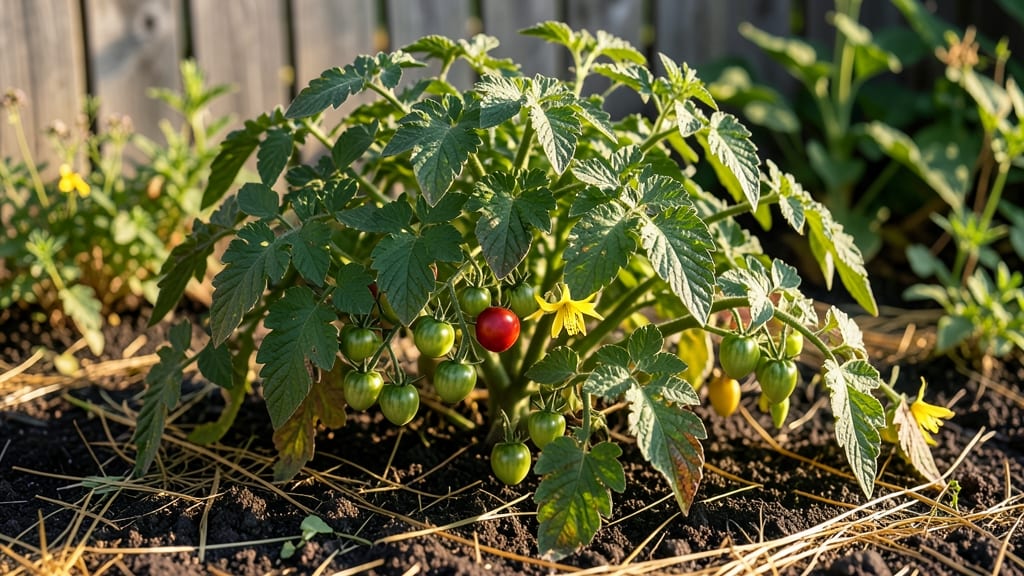
Growing the husky cherry tomato plant means cold-hardy, high-yield harvests even when summer feels reluctant to arrive. 🌱 I've grown them in my Zone 4 garden for years, and they're the only tomato that reliably ripens before the first frost—sometimes producing fruit well into October.
The secret lies in their ability to handle cooler temperatures and their vigorous growth habit.
These plants thrive in well-draining soil with plenty of organic matter, and they demand 6-8 hours of sunlight daily—though they tolerate partial shade better than most tomatoes. Plant seeds 1/4 inch deep, 18-24 inches apart, and watch for true leaves before transplanting.
The key to their success is consistent moisture without waterlogging, especially during fruit set.
You'll harvest pint-sized, sweet cherries starting around 55-60 days after transplanting, with plants producing up to 1 pound of fruit per plant if properly supported. Prune suckers regularly to improve airflow, and stake or cage them early—these plants get 4-5 feet tall and heavy with fruit.
The real magic? Their disease resistance means fewer chemical sprays and more time enjoying the harvest.
Common issues like blossom end rot disappear with proper calcium and mulch, while pests rarely become a problem. Even my black thumb can't kill these—just give them space, sunlight, and steady water. By mid-summer, you'll be snipping clusters of tomatoes for salads, sauces, or fresh eating straight from the vine.
📚 In This Guide
- What you need
- Instructions
- Tips and common mistakes
- Wrapping up and next steps
What you need
- ● Husky Cherry Tomato Seeds or Seedlings: 5–10 seeds (if starting from scratch) or
- ● 3–5 healthy seedlings (if transplanting)
- ● Containers or Garden Bed: 5-gallon pots (1 per plant) or
- ● Well-draining garden soil with 6.0–6.8 pH
- ● Potting Mix: 1 bag (2–3 cubic feet) of lightweight, organic potting mix (avoid garden soil—it compacts too easily!)
- ● Fertilizer: Balanced 10-10-10 or 5-10-10 granular fertilizer (1–2 tbsp per plant)
- ● OR slow-release tomato fertilizer pellets
- ● Support System: Cage (5–6 ft tall) or
- ● Trellis/bamboo stakes (for indeterminate varieties)
- ● Watering Supplies: Watering can or hose with gentle spray nozzle
- ○ Drip irrigation kit (optional but highly recommended for consistent moisture)
- ● Pruning Shears: Small, sharp pair for trimming suckers and dead leaves
- ● Mulch: Straw or shredded leaves to retain moisture and suppress weeds
- ● Epsom Salt: 1 tbsp dissolved in water (monthly) for magnesium boost
- ● Row Covers: Frost blankets for early/late-season protection
- ● pH Test Kit: To monitor soil acidity (especially in containers)
- ● Compost: For enriching soil before planting
How to grow Husky cherry tomatoes in northern climates
This cold-resistant variety thrives where others fail—here's the exact method I use for robust, early harvests.
🌱 Step 1: Start Seeds Indoors 8-10 Weeks Before Last Frost
Husky cherry tomatoes need a head start to handle shorter northern seasons. Fill 4-inch biodegradable pots with sterile seed-starting mix (never garden soil—it's too dense). Plant 2 seeds per pot at ¼-inch depth using a toothpick to avoid disturbing the soil surface. I always label my trays immediately since Husky seedlings look identical to other cherry varieties.
Cover the pots with a humidity dome and place on a seedling heat mat set to 75-80°F. Germination takes 7-14 days—patience is key since cooler northern starts often delay sprouting. Remove the dome once 50% of seeds emerge to prevent damping-off. Watch for first true leaves (the second set after the initial seed leaves) before hardening off.
☀️ Step 2: Provide 14+ Hours of Light Daily
Northern light conditions are weak, so supplement with a full-spectrum LED grow light within 2-3 inches of seedlings. Without enough light, Husky plants grow leggy (tall and weak) with pale stems—a sure sign of light deprivation. Rotate pots quarter-turn daily to prevent leaning toward the light source. You'll notice compact, dark green growth when light is adequate.
When seedlings reach 4-5 inches tall and show 4-5 true leaves, begin hardening off by placing them outside in partial shade for 1 hour daily. Gradually increase exposure over 10-14 days, ending with full sun for the last 2 days before transplanting. This prepares Husky plants for northern temperature swings—40-85°F—without shock.
🪴 Step 3: Transplant After Soil Warms to 55°F
Husky cherries tolerate cooler soils than most tomatoes, but wait until nighttime temperatures stay above 50°F for best results. Dig holes twice as wide as the root ball to encourage root spread. Plant 18-24 inches apart in rows 3 feet apart—crowding reduces airflow and invites disease. I always add a handful of compost to each hole for extra nutrients.
Water deeply at planting to settle soil around roots, then let the top 1 inch dry before watering again. Mulch with 2-3 inches of straw to retain moisture and suppress weeds. Husky plants benefit from cage support or stakes early—before vines get heavy. You'll see new leaves forming within 5-7 days if transplanting was successful.
💧 Step 4: Water Deeply 2-3 Times Weekly
Consistent moisture is critical for Husky cherries, especially in northern climates where soil dries faster. Water at the base (never overhead) to prevent fungal spores from splashing onto leaves. Let the top 1-2 inches of soil dry between waterings—wilting leaves mean you've waited too long. Drip irrigation works best for even moisture distribution.
Fertilize every 3-4 weeks with a balanced 10-10-10 formula once flowers appear. Too much nitrogen early delays fruiting. Prune suckers (the small shoots in leaf axils) to encourage upward growth and improve air circulation. You'll notice first flowers in 6-8 weeks after transplanting—pinch them off if night temperatures dip below 55°F to prevent blossom drop.
✂️ Step 5: Harvest When Fruit Reaches Full Color
Husky cherries ripen earlier than most tomatoes—expect first harvests 70-80 days after transplanting. Pick when fruit is fully red (some varieties stay orange-yellow). Gently twist or cut stems to avoid damaging vines. Regular harvesting stimulates more production—I pick every 2-3 days during peak season to keep plants productive.
Extend the season by covering plants with row fabric when nights drop below 50°F. Husky cherries tolerate light frosts better than most tomatoes, but blackened leaves signal it's time to harvest remaining fruit. Store picked tomatoes at room temperature for 3-5 days or refrigerate for up to 2 weeks. You'll know you've succeeded when your plants keep producing until first frost—something most northern gardeners only dream of.
Tips & tricks for growing cold-hardy cherry tomatoes
Northern climates demand special attention—these tricks will help you coax the most from your Husky cherry tomato plants.
Germination Strategy: The 75-80°F heat mat temperature is crucial for consistent germination, but don't be surprised if cooler northern starts take the full 14 days. I've found that placing pots on a sunny windowsill during the day (when indoor temps rise) while keeping them on the heat mat at night can help bridge the gap when your thermostat struggles to maintain that lower temperature range.
Lighting Hack: Those 14+ hours of light are non-negotiable, but here's the thing about northern light: quality matters more than quantity. Position your full-spectrum LED grow light just 2-3 inches above the seedlings—closer than you might think. Watch for that dark green, compact growth as your signal of success. If you notice leggy stems with pale leaves, it's time to either move the light closer or extend the daily hours.
Transplanting Timing: The 55°F soil temperature guideline is perfect, but here's what nobody tells you—watch the nighttime lows more closely than daytime highs. Husky plants can handle cooler soils better than most, but if nights dip below 50°F after transplanting, you'll see stunted growth or even blossom drop. I've had success using a simple soil thermometer to double-check before planting, especially in spring when mornings can be deceptive.
Harvest Extension: When you see those first flowers appear in 6-8 weeks, don't panic if they drop when nights dip below 55°F—this is normal! The real harvest magic happens when you cover plants with row fabric during cool snaps. I've extended my season by 3-4 weeks this way, and the tomatoes that do set after a cold spell often develop sweeter flavors from the stress response. Just be ready to harvest before blackened leaves appear.
Pro Tips for Husky Cherry Tomato Plant
- Northern climates demand special attention—these tricks will help you coax the most from your Husky cherry tomato pla...
- Germination Strategy: The 75-80°F heat mat temperature is crucial for consistent germination, but don't be surprised ...
- Lighting Hack: Those 14+ hours of light are non-negotiable, but here's the thing about northern light: quality matter...
Frequently asked questions
How cold can Husky Cherry tomato plants tolerate?
Husky Cherry tomatoes are one of the most cold-hardy varieties, surviving light frosts down to 28°F (-2°C). Young plants can handle 50°F (10°C) nights, making them ideal for early spring or late fall planting in cooler climates. Just avoid planting when temps dip below 40°F (4°C)—they’ll sulk until it warms up!
When should I plant Husky Cherry tomatoes in my zone?
For cool climates (Zones 3-5), start seeds 6-8 weeks indoors before your last frost date, then transplant after soil reaches 50°F (10°C). In warmer zones (6-10), direct-sow after frost risk passes (around 55-60°F (13-15°C)). Pro tip: Use black plastic mulch to warm soil faster!
Why are my Husky Cherry tomatoes cracking?
Cracking usually happens when plants get too much water after a dry spell or uneven soil moisture. Keep soil consistently moist (not soggy) and mulch to stabilize hydration. For extra insurance, prune lower leaves to improve airflow and reduce stress.
Can I grow Husky Cherry tomatoes in containers?
These compact plants thrive in 5-gallon containers or larger, with 12-18 inches of depth. Use a well-draining potting mix and place pots in full sun (6+ hours daily). Just fertilize regularly—container-grown tomatoes need more nutrients than in-ground plants.
What pests should I watch for with Husky Cherry tomatoes?
Keep an eye out for hornworms, aphids, and whiteflies. Handpick hornworms (they’re sneaky!) and spray aphids with soapy water. For whiteflies, use yellow sticky traps. Prevention tip: Encourage ladybugs and lacewings by planting nearby herbs like basil or dill!
Wrapping up and next steps
Growing Husky Cherry Tomato plants is a rewarding experience, especially for gardeners in cooler climates! Their cold-hardiness and sweet flavor make them a standout choice, whether you're a beginner or a seasoned pro.
With the right care—like proper spacing, support, and consistent watering—you’ll enjoy a bountiful harvest of juicy, vine-ripened tomatoes that’ll elevate your meals and snacks.
Ready to get started? Head to your local nursery or order seeds online to bring these resilient plants to life in your garden this season! 🌱🍅