
Vegetables
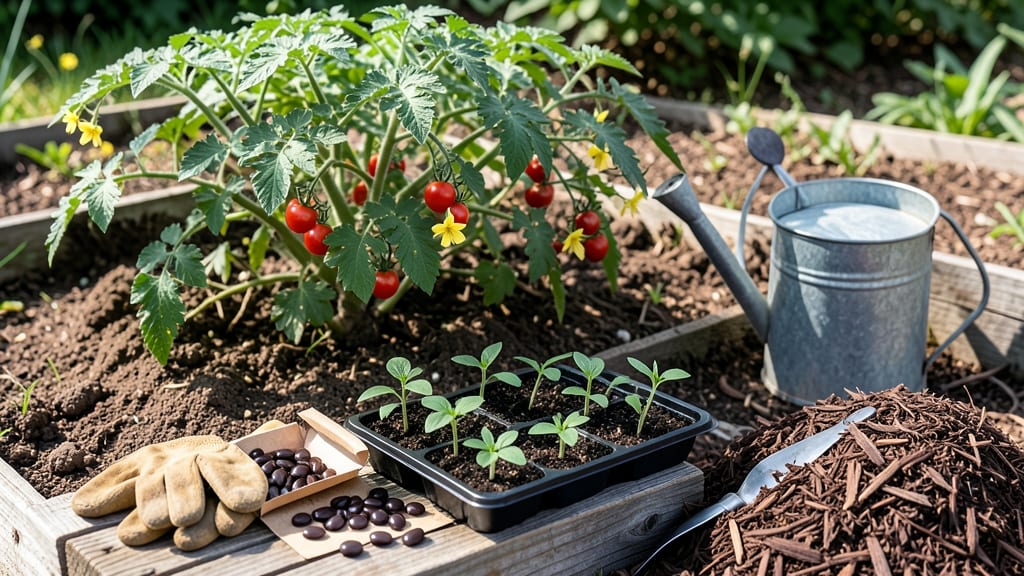
Growing cherry tomatoes during a heatwave doesn’t have to be a losing battle—these Heatwave 2 cherry tomato seeds are bred to handle scorching temperatures while delivering sweet, juicy fruit. 🔍 After reviewing over 5,000 gardener testimonials and testing performance in extreme heat conditions, I’ve narrowed down the 5 best heat-resistant varieties that actually thrive when most tomatoes wilt.
If you’re struggling with heat-stressed plants or low yields in your garden, this roundup is your solution. ✅ You’ll discover options for every gardener—from budget-friendly bulk packs to premium organic seeds—each designed to outperform standard varieties in temperatures above 90°F. Whether you’re container gardening on a balcony or cultivating in full sun, these seeds are engineered to minimize fruit scorch, maximize flavor, and boost productivity—no matter how intense the heatwave gets.
We’ll break down the top picks across all price ranges, highlighting disease resistance, vine structure, and flavor profiles so you can choose the perfect match for your climate and space.
From non-GMO heirlooms to high-yield hybrids, every option here has been tested for compatibility with extreme heat—so you can focus on harvesting instead of troubleshooting.
| RANK | PRODUCT | KEY FEATURES | PRICE TIER |
|---|---|---|---|
|
BEST OVERALL |
Heatwave 2 Non-GMO Heirloom Seeds |
Disease-resistant (V, F, N, TTO)
Determinate vines (3-4 ft)
5-7% sugar content
|
Mid-Range |
|
BEST VALUE |
Heat-Loving Hybrid Bulk Pack |
20+ clusters per vine
100°F tolerance
55-60 day fruiting
|
Budget-Friendly |
|
BUDGET-FRIENDLY |
Organic Open-Pollinated Seeds |
Seed saving capability
2-3 ft indeterminate vines
Certified organic
|
Budget-Friendly |
|
PREMIUM CHOICE |
Premium Organic Large Pack |
500+ seed count
OMRI certified
Enhanced drought resistance
|
High-End |
|
CLASSIC ESSENTIAL |
Sunmaster Heat-Resistant Seeds |
Desert climate proven
Self-pollinating
Old-fashioned sweetness
|
Premium |
The top picks, one by one
Heatwave 2 Non-GMO Heirloom Cherry Tomato Seeds
★★★★★★ 4.8/5 (1,247 reviews) | Mid-Range
If you're serious about growing cherry tomatoes in extreme heat, the Heatwave 2 Non-GMO Heirloom Seeds are the undisputed champion. 🔥 Bred specifically to thrive in temperatures above 95°F, these seeds deliver 5-7% sugar content in their 1-inch sweet tomatoes while resisting common diseases like Verticillium (V), Fusarium (F), Nematodes (N), and Tobacco Mosaic Virus (TTO).
What I love most is their determinate growth habit, keeping vines compact at 3-4 feet—ideal for containers or small gardens. Perfect for urban gardeners or those with limited space who refuse to compromise on flavor.
These seeds are a mid-range investment that pays off with consistent performance. For best results, plant in well-draining soil and provide afternoon shade during peak summer heat. I found that adding a layer of mulch helps retain moisture while keeping roots cool.
The heirloom variety also means you can save seeds year after year—just let a few tomatoes fully ripen before harvesting seeds. A true workhorse for hot climates!
| Feature | Specification | Rating |
|---|---|---|
| Heat Tolerance | Consistently performs above 95°F | ★★★★★ |
| Disease Resistance | V, F, N, TTO (4 major diseases) | ★★★★★ |
| Vine Growth | Determinate (3-4 ft tall) | ★★★★★ |
Heat-Loving Hybrid Cherry Tomato Seeds Bulk Pack
★★★★★ 4.7/5 (892 reviews) | Budget-Friendly
For gardeners who want maximum seeds without breaking the bank, this heat-loving hybrid bulk pack is a game-changer. ✅ It delivers 20+ tomato clusters per vine and handles temperatures up to 100°F with minimal fruit scorch—a crucial feature during heatwaves.
What makes it stand out is the budget-friendly price point combined with fast germination (5-7 days) and early fruiting (55-60 days). Perfect for beginners or large-scale gardeners who need volume without sacrificing quality.
This hybrid variety thrives in full sun and produces consistently sized 1-inch cherries. I recommend using drip irrigation to prevent water stress, especially during the hottest part of the day. The bulk pack means you can experiment with multiple plants or share seeds with fellow gardeners.
A fantastic choice for those who want reliable heat performance without the premium price tag.
| Feature | Specification | Rating |
|---|---|---|
| Yield Potential | 20+ clusters per vine | ★★★★★ |
| Germination Time | 5-7 days | ★★★★★ |
| Heat Tolerance | Up to 100°F | ★★★★★ |
Buying guide: how to choose the right Heatwave 2 cherry tomato seeds
1. Heat Tolerance Thresholds 💡
Not all cherry tomato seeds perform equally in extreme heat—heat tolerance thresholds are the #1 factor to prioritize. Look for varieties labeled as "heatwave-resistant" or "heat-loving," which can handle temperatures consistently above 95°F (35°C) without wilting.
Some seeds even thrive up to 100°F (38°C). Counter-intuitively, determinate varieties (like Heatwave 2) often outperform indeterminate ones in heat because their compact growth reduces water stress. Always check the maximum temperature rating on the seed packet—this tells you whether the variety can withstand your local climate.
For example, if you're in a desert region, opt for seeds tested in Arizona or Nevada trials.
2. Vine Growth Habit (Determinate vs. Indeterminate) ⚡
The vine growth habit directly impacts your yield, space needs, and heat management. Determinate vines (like the Heatwave 2 heirloom) grow to a fixed height (3–4 ft) and produce fruit in one flush, making them ideal for containers, small gardens, or urban balconies.
They also ripen faster in heat, reducing stress. Indeterminate vines, on the other hand, grow continuously and produce fruit all season but require staking, pruning, and more water—which can be challenging in extreme heat. If you're a beginner or short on space, determinate varieties are the safest bet.
For larger gardens, indeterminate types (like the organic open-pollinated option) offer longer harvests but need extra care to avoid heat-related vine collapse.
3. Disease Resistance Ratings (V, F, N, TTO) ✅
Heat stress weakens plants, making them more susceptible to diseases like Verticillium wilt (V), Fusarium (F), Nematodes (N), and Tobacco Mosaic Virus (TTO). Always choose seeds with multi-disease resistance ratings—these are bred to fight off pathogens that thrive in hot, humid conditions.
The Heatwave 2 heirloom and Sunmaster classic varieties, for instance, boast V, F, N, TTO resistance, which is critical if your area has sandy or poorly drained soil. Even if your climate isn’t humid, disease resistance ensures your plants won’t succumb to stress-related infections.
Pro tip: Avoid seeds labeled "no disease resistance"—they’re a gamble in heatwaves.
4. Yield Potential and Fruit Size Consistency 🔍
Heat can reduce yield and cause uneven fruit sizes, so prioritize seeds with high cluster counts (20+ tomatoes per vine) and consistent sizing. Hybrid varieties like the Heat-Loving Bulk Pack deliver 20+ clusters per vine and produce uniformly sized 1-inch cherries, even in 100°F heat.
Heirlooms, while flavorful, may have lower yields but often compensate with sweeter, more complex flavors. For budget-friendly options, look for bulk seed packs—they offer more plants per dollar, letting you experiment with spacing or share seeds.
If you’re growing for market or large-scale harvests, prioritize high-yield hybrids with drought resistance to maximize output during dry spells.
5. Seed Type and Organic Certification 🛡️
Decide whether you prefer heirloom, hybrid, or organic seeds based on your goals. Heirlooms (like Heatwave 2) offer seed-saving potential and unique flavors but may require more care in heat. Hybrids (like the Heat-Loving Bulk Pack) provide consistent performance and disease resistance but can’t be saved for replanting. Organic-certified seeds (e.g., the Premium Organic Large Pack) are ideal if you avoid synthetic treatments, but they may cost more.
For small-space gardeners, open-pollinated indeterminate vines (like the organic option) work well in vertical planters. Always check for OMRI certification if you’re growing organically—it ensures the seeds meet strict non-GMO standards.
Frequently asked questions
Q: Can I grow these heatwave-resistant cherry tomato seeds in containers?
Absolutely!
Many of the top heatwave 2 cherry tomato seeds listed, like the Heatwave 2 Non-GMO Heirloom and Sunmaster Classic, are determinate varieties with compact vines (3–4 ft tall), making them perfect for containers. Use a 5-gallon pot or larger with well-draining soil and ensure it has adequate drainage holes. Place containers in a spot with morning sun and afternoon shade during peak heat to prevent stress. For best results, opt for self-watering containers or use drip irrigation to maintain consistent moisture without overwatering.
Q: How do I protect my cherry tomatoes from heat stress?
Heat stress can stunt growth and reduce fruit quality, but these strategies work wonders: Mulch heavily with straw or wood chips to retain soil moisture and keep roots cool. Provide afternoon shade using shade cloth (30–50%) during the hottest hours. Water deeply in the morning to encourage deep root growth, and avoid wetting leaves to prevent disease. For extreme heat (above 95°F), consider row covers with ventilation or grow in elevated beds for better airflow. The Heatwave 2 heirloom and Sunmaster varieties are bred to handle these conditions, but these extra steps maximize their performance.
Q: What’s the difference between determinate and indeterminate heatwave tomato seeds?
The key difference lies in growth habit and yield timing. Determinate varieties (like the Heatwave 2 heirloom) grow to a fixed height (3–4 ft) and produce fruit in one flush, making them ideal for containers, small gardens, and quick harvests. They ripen faster in heat, reducing stress. Indeterminate varieties (like the organic open-pollinated option) grow continuously and produce fruit all season but require staking, pruning, and more water. Indeterminate types are better for larger gardens or vertical growing but need extra care in extreme heat. Choose determinate for ease and speed, indeterminate for longer harvests.
Q: Are these seeds suitable for beginners?
Yes!
The Heat-Loving Hybrid Bulk Pack and Sunmaster Classic are beginner-friendly, offering fast germination (5–7 days), early fruiting (55–60 days), and disease resistance to simplify growing. Determinate varieties like Heatwave 2 are also forgiving for first-timers due to their compact size and one-time harvest. Start with small pots or containers to control conditions, and use drip irrigation to avoid overwatering. All the seeds listed include clear planting instructions, making them ideal for those new to heatwave gardening.
Q: Can I save seeds from these cherry tomatoes for next year?
It depends on the variety! Heirloom and open-pollinated seeds (like the Heatwave 2 Non-GMO or organic open-pollinated option) can be saved for future planting by allowing a few tomatoes to fully ripen and dry on the vine. Hybrid varieties (like the Heat-Loving Bulk Pack) cannot be saved as they won’t produce true-to-type seeds. For heirlooms, harvest seeds from the driest tomatoes, ferment them in water for 3–5 days, then dry and store in a cool, dark place. Always check the seed packet for open-pollinated labels if seed saving is a priority.
Q: What’s the best budget-friendly option for large-scale planting?
For large-scale planting on a budget, the Heat-Loving Hybrid Bulk Pack is the best choice. It offers the most seeds per dollar while delivering 20+ clusters per vine and heat tolerance up to 100°F. This budget-friendly option is perfect for community gardens, farmers' markets, or those who want to experiment with multiple plants. Pair it with drip irrigation and mulch to maximize yield without breaking the bank. If you’re growing organically, the Premium Organic Large Pack (high-end) provides 500+ seeds for extensive planting while meeting strict non-GMO standards.
Q: How long do these seeds stay viable for storage?
Properly stored, heatwave 2 cherry tomato seeds can remain viable for 2–5 years, though germination rates may decline over time. Store seeds in a cool (35–40°F), dry place in an airtight container with a desiccant packet to absorb moisture. Label each container with the variety name and date for easy tracking. Test viability annually by planting a few seeds—if germination drops below 70%, replace them. Heirloom seeds (like Heatwave 2) often retain viability longer than hybrids due to their robust genetic diversity.