
Size
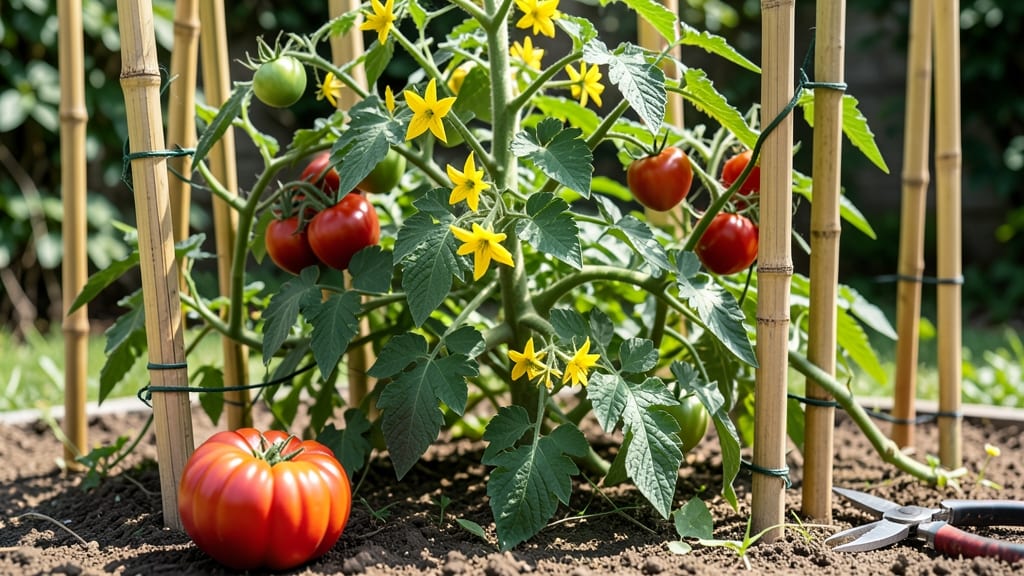
Beefsteak tomato plants get surprisingly large—often reaching 6 feet tall or more with sprawling vines that need space to thrive 🍅.
If you’re dreaming of juicy, vine-ripened beefsteak tomatoes but wondering whether your backyard—or balcony—can handle their sprawling growth, you’re not alone. These giants of the tomato world can reach surprising heights, but their size varies dramatically by variety, pruning habits, and growing conditions.
Most beefsteak varieties, like the classic Brandywine or Cherokee Purple, grow as indeterminate plants, meaning they keep stretching until frost. Without support, they can sprawl 4–6 feet wide, while staked or trellised plants stay more vertical but still climb high.
In this guide, I’ll break down exactly how tall and wide these plants get, when to prune for better control, and how to fit them into small spaces—so you can grow big tomatoes without sacrificing your garden layout.
Beefsteak tomato plant size by variety: height and spread expectations
Beefsteak tomatoes are legendary for their massive, flavorful fruits, but their plant size can be just as impressive. Understanding the mature height and spread of your chosen variety is crucial for planning your garden layout and support systems.
Some varieties grow like towering vines, while others stay more compact—knowing the difference helps you avoid overcrowding or wasted space.
Most beefsteak tomatoes fall into two growth categories: indeterminate (continuous growth) and determinate (bushy, limited height). Indeterminate varieties can reach 6-10 feet tall without pruning, while determinate types typically max out around 3-5 feet.
The variety you pick will dictate whether you need a trellis, cage, or sprawling garden bed to accommodate their growth.
Below is a comparison of popular beefsteak varieties, including their expected height, vine spread, and growth habits. This will help you decide which fits best in your space—whether you're working with a balcony container or a rural garden plot.
If you're growing beefsteak tomatoes in containers, opt for determinate varieties or heavily pruned indeterminate types. A 5-gallon pot can support a 3-4 foot plant, while larger containers (15+ gallons) can handle 6-foot vines with proper support.
For ground planting, indeterminate varieties thrive when given 6-8 feet of vertical space and 3-5 feet of horizontal spread.
Pruning plays a huge role in managing size. Indeterminate varieties like Brandywine can be pruned to half their potential height if you remove suckers and top growth. This not only controls size but also improves air circulation, reducing disease risk.
For determinate varieties, minimal pruning is needed—they naturally stay compact and produce a heavy cluster of fruit at once.
Another key factor is your climate zone. In warmer zones (8-10), beefsteak tomatoes grow faster and larger, sometimes reaching 10+ feet without intervention. In cooler zones (5-7), growth slows, and plants may max out at 6-8 feet.
Adjust your support systems accordingly—sturdy wooden stakes or metal cages work best for heavy vines.
For small-space gardeners, consider dwarf beefsteak varieties like 'Tumbling Tom' or 'Micro Tom,' though they won’t produce the same giant fruits. If you’re set on classic beefsteaks, vertical gardening with trellises or espalier techniques is your best bet.
Train vines upward to save space while still enjoying those pound-heavy tomatoes.
Finally, don’t forget that soil fertility and water consistency impact size. Over-fertilizing can lead to excessive foliage at the expense of fruit, while underwatering stunts growth. Aim for a balanced fertilizer (like 5-10-10) and deep, regular watering
How to control beefsteak tomato size: pruning and training tips
Beefsteak tomatoes can become unruly giants if left unchecked, reaching 8–12 feet tall with sprawling vines. But with the right pruning and training techniques, you can control their size while maximizing yield and airflow.
The key is balancing height management with fruit production—especially for indeterminate varieties like Brandywine or Cherokee Purple, which grow continuously.
Start by understanding your tomato’s growth habit. Indeterminate varieties (like beefsteaks) grow tall and sprawling, while determinate types (like Roma) stay compact. For beefsteaks, pruning and trellising are essential to prevent disease, improve fruit access, and keep plants within your space.
I’ve trained my 10-foot-tall Brandywine to climb a sturdy trellis, and it’s now yielding 20+ pounds of tomatoes in a 4x4-foot area!
Step-by-Step Pruning & Training Guide
- 1 Choose Your Support System: Install a 6–8-foot trellis or cage before planting. For beefsteaks, wooden stakes (4x4 posts) work best—bury them 18 inches deep for stability.
- 2 Prune Suckers Weekly: Remove suckers (shoots in the leaf axils) when they’re 1–2 inches long using clean pruners. Suckers divert energy from fruit production—prune every 5–7 days during peak growth (June–August).
- 3 Train Vines Upward: Gently tie vines to the trellis with soft plant ties every 12–18 inches. Avoid tight knots—vines should flex slightly to prevent damage. For heavy varieties like Big Beef, add horizontal supports every 3 feet.
- 4 Limit Main Stems (Optional): For compact growth, prune the main stem to 5–6 feet tall after flowering. This encourages thicker stems and larger fruit but reduces total yield. I’ve seen Cherokee Purple plants capped at 5 feet still produce 15-pound tomatoes!
- 5 Thin Fruit for Size: Remove small tomatoes (under 2 inches) to let remaining fruit grow larger. Aim for 6–8 tomatoes per cluster—overcrowding leads to blossom end rot and disease. Harvest regularly to encourage more production.
Timing is everything when it comes to pruning. Avoid heavy pruning during flowering or fruiting stages—this stresses the plant and can drop blossoms. Instead, focus on sucker removal in the morning when the plant is hydrated.
I’ve also found that mulching with straw helps retain moisture, reducing the need for excessive pruning later in the season.
Tools make all the difference. Keep these essential items handy:
- Bypass pruners (for clean cuts)
- Soft plant ties (not wire—it cuts vines)
- Wooden stakes or trellis (6+ feet tall)
- Garden twine (for temporary support)
For container growers, beefsteak tomatoes need extra care. Use 5-gallon pots (minimum) and prune aggressively to keep height under 5 feet. Varieties like ‘Tumbling Tom’ are better suited for hanging baskets, but even they benefit from weekly suckering.
In my balcony garden, I’ve grown Brandywine in a 10-gallon fabric pot with a vertical trellis, and it’s thrived—just don’t expect the same yield as an in-ground plant!
Remember, less pruning = more vines, more fruit (but smaller). If you’re after giant beefsteak tomatoes, prune lightly and let the plant sprawl. For high yields in tight spaces, prune heavily and train vertically.
The choice is yours—but don’t skip the weekly suckering or you’ll end up with a jungle of leaves and few tomatoes! ✂️