
How To
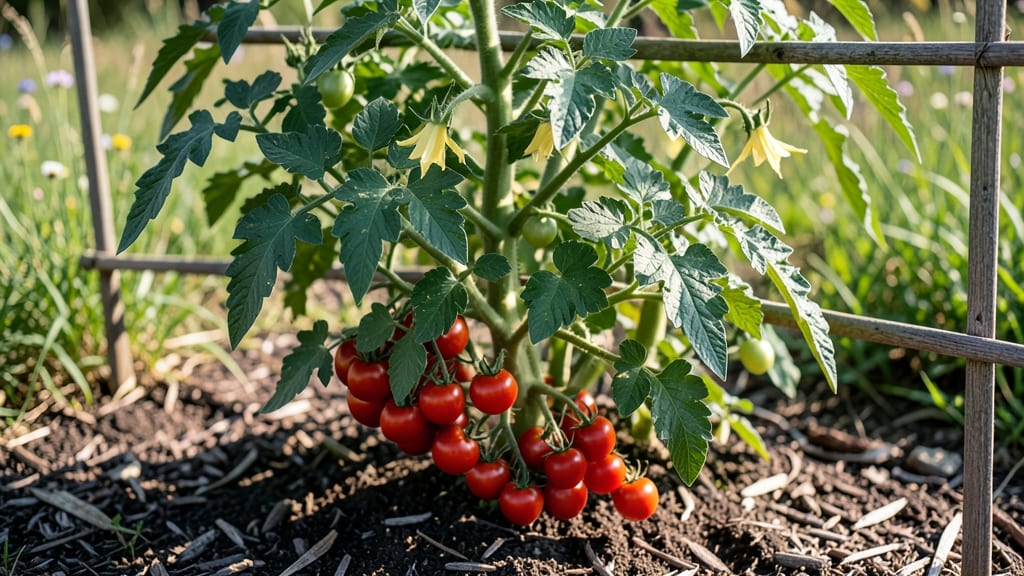
Grape tomato plants grow anywhere from 2 feet tall to towering 6-foot vines, depending on the variety and how you train them 🍅 — and knowing their mature size is the difference between a tidy garden and a tangled mess.
Picture this: one year, my compact 'Tiny Tim' grape tomatoes sprawled into a 4-foot bush without a single support, while my indeterminate 'Black Cherry' climbed a trellis until it hit the roof.
That’s the kind of growth swing you’re dealing with, and it all comes down to whether you’re growing a bush type or a vine.
For garden planning, this means spacing your plants 18 to 36 inches apart (closer for bush types, wider for vines) and choosing supports early. Containers? You’ll need deep pots for vining varieties, but even those can be pruned back to stay manageable.
The right setup turns a potential headache into a high-yielding, space-smart harvest.
Below, I break down the height ranges by variety, how to control sprawl with pruning and trellising, and why some plants need more elbow room than others. No more guessing whether your grape tomatoes will stay small or stretch for the sky.
Grape tomato plant height by variety: compact vs. vining types explained
Grape tomatoes are a gardener’s dream for their compact size and prolific fruit production, but not all varieties grow the same. Some stay neatly contained in 5-gallon containers, while others send out 8-foot vines that need serious support.
The key difference lies in their growth habits: determinate (bush) types stay compact, while indeterminate (vining) varieties keep growing until frost. Knowing which is which helps you plan your space, choose the right support structures, and maximize your harvest.
If you’re working with limited space or prefer container gardening, compact varieties like 'Tiny Tim' or 'Patio Princess' are ideal—they top out at 2-3 feet tall and thrive in pots.
On the other hand, varieties like 'Sungold' or 'Sweet Million' can reach 6-10 feet if left unchecked, making them perfect for trellises or cages in larger gardens.
Let’s break down the most popular varieties by their mature height and spread, so you can pick the perfect fit for your growing setup.
Pro Tip: Always check seed packets or plant tags for mature size estimates, as even within the same growth habit, varieties can vary. For example, 'Sweet 100' (indeterminate) might stay around 5 feet with pruning, while 'Black Cherry' (also indeterminate) can easily exceed 8 feet without training. Your choice of support system—whether a stake, cage, or trellis—will directly impact how tall your plants grow.
🌱 Grape Tomato Varieties: Height & Spread Comparison
| Variety | Growth Habit | Mature Height | Spread | Best Support |
|---|---|---|---|---|
| Tiny Tim | Determinate | 2-3 ft | 1-2 ft | 5-gal container or small cage |
| Patio Princess | Determinate | 2-3 ft | 1.5-2 ft | Balcony planter or stake |
| Sweet Million | Indeterminate | 6-10 ft | 3-5 ft | Trellis or tomato cage |
| Sungold | Indeterminate | 6-8 ft | 4-6 ft | Strong trellis or A-frame |
| Black Cherry | Indeterminate | 8-12 ft | 5-7 ft | Tall trellis or stake |
| Sweet 100 | Indeterminate | 5-7 ft | 3-4 ft | Cage or stake |
| Cherry Sweet | Determinate | 3-4 ft | 2-3 ft |
How to control grape tomato plant size: pruning, training, and support hacksGrape tomato plants can grow wildly if left unchecked, reaching heights of 6+ feet with sprawling vines. But with the right pruning techniques and support systems, you can keep them compact—even in containers. The key is understanding when to prune and how to train vines for maximum yield without sacrificing space. Start by choosing the right support structure for your variety. Determinate types (like 'Tiny Tim') stay bushy at 3-4 feet, while indeterminate varieties (like 'Black Cherry') need trellises to climb 8+ feet. Without support, vines sprawl, reducing airflow and increasing disease risk. Let’s break down the steps to manage their size effectively. Step-by-Step Guide to Controlling Grape Tomato Size
For container gardening, choose dwarf varieties like 'Tumbling Tom' or 'Micro Tom' (max 2 feet tall). Use 5-gallon pots with tomato cages and fertilize every 2 weeks to compensate for limited root space. Mulch with straw to retain moisture and reduce stress. Remember, pruning too aggressively can reduce yield, while under-pruning leads to sprawl and disease. Balance is key—aim to keep vines 2/3 supported and 1/3 pruned for optimal fruit production. With these techniques, you’ll enjoy bountiful harvests without sacrificing garden space! 🌱 |