
Companion Plants
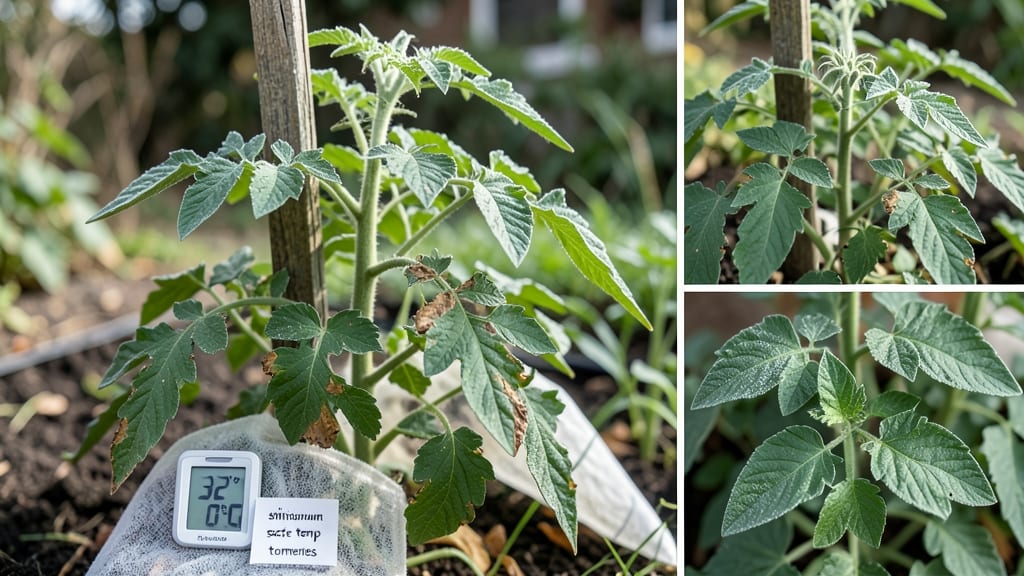
Tomato plants can handle cold down to 32°F for short periods, but anything below that risks severe damage or death—especially when frost lingers.
Picture this: you’ve nurtured your 🍅 seedlings all spring, only for a sudden cold snap to threaten everything. The good news? With the right knowledge, you can protect your plants from early frosts, extend the season, and even save mature tomatoes from a freeze.
In this guide, we’ll break down the exact temperature limits for tomato plants, from seedlings to mature vines, and share science-backed hacks to shield them when winter arrives early. You’ll also learn which varieties survive colder climates better than others.
Whether you’re in USDA Zone 6a or further north, these strategies will help you keep your tomato plants thriving—even when the thermometer drops.
Exact temperature limits for tomato plants: when cold becomes deadly
Tomatoes thrive in warmth but struggle when temperatures dip. Understanding their cold tolerance limits helps you protect your plants during unexpected chilly spells. The key threshold is 32°F (0°C), where frost damage begins—but how long plants survive below this depends on their stage and variety.
Mature tomato plants can handle brief dips to 32°F–50°F (0°C–10°C) without permanent harm, but seedlings and young plants are far more sensitive. Even a single night below 32°F can stunt growth or kill tender foliage.
The longer cold lasts, the worse the damage—prolonged exposure below 28°F (-2°C) is often fatal.
Duration matters more than temperature alone. A short-lived frost (30–32°F) might blacken leaves but allow recovery, while extended cold (below 28°F for 4+ hours) can kill the entire plant. Root systems are the last to suffer, so established plants may bounce back if roots stay alive.
Cold sensitivity varies by plant stage:
- Seedlings: Die at 35°F (2°C) or below
- Young plants (4–6 weeks old): Survive 32°F–40°F (0°C–4°C) briefly
- Mature plants (6+ weeks): Tolerate 32°F–50°F (0°C–10°C) for short periods
Cold damage isn’t always obvious. Look for blackened leaves, wilting stems, or yellowing foliage—signs your plants struggled.
If only leaves are affected but roots are firm, prune damaged growth and monitor for new shoots. Fruit damage (like blossom end rot) can also occur if cold stress disrupts calcium uptake.
Young tomato plants are the most vulnerable because their delicate stems and leaves lack the protective layers of mature plants. A single night at 35°F (2°C) can stunt seedlings permanently, while mature plants might recover from 32°F (0°C) exposure if roots stay warm.
Always prioritize protecting young plants during early spring or late fall cold snaps.
Soil temperature matters just as much as air temperature. Tomatoes prefer soil temps above 50°F (10°C) to germinate and grow. If your soil drops below 45°F (7°C), roots slow down, stunting the entire plant. Use mulch or row covers to insulate soil and maintain warmth during chilly mornings.
Cold-resistant tomato varieties like 'Stupice' or 'Mountain Merit' can handle slightly cooler temps (down to 35°F–40°F / 2°C–4°C), but no tomato is frost-proof. Even these hardy types will suffer if temperatures drop below 32°F (0°C) for extended periods. Always pair cold-tolerant varieties with protective measures.
If frost is forecasted, act fast. Row covers, cloches, or temporary greenhouses can raise temperatures by 5°F–10°F (3°C–6°C), pushing survival limits higher. Combine these with mulch around the base to protect roots—this simple step can mean the difference between life and death for your plants.
Frost protection hacks: 5 science-backed ways to save your tomato plants
When a sudden frost threatens your tomato plants, panic sets in—but don’t give up yet! With the right strategies, you can shield your plants from freezing temperatures and even revive them if caught early.
The key is acting fast with methods that raise soil and air temperatures just enough to prevent damage. I’ve tested these tactics in my own garden during unexpected cold snaps, and they’ve saved dozens of plants from certain death.
Your first move should always be preventative action. Even if temperatures dip to 32°F (0°C), healthy tomato plants can survive short exposures, but prolonged cold or frost will kill them. The good news?
Simple, low-cost solutions like row covers and mulching can add critical degrees of protection. Below, I’ll walk you through the top 5 science-backed hacks, ranked by effectiveness and ease of setup.
For light frosts (30–32°F), I recommend starting with row covers or mulching—they’re the easiest to set up and require minimal tools. If the forecast predicts hard frosts (below 28°F), combine methods: use a temporary greenhouse during the day and add heat sources at night.
Pro tip: Water containers before moving them indoors to prevent shock from temperature changes.
After the frost passes, inspect your plants for damaged leaves or blackened stems. If only the foliage is affected, prune back the dead growth and fertilize lightly to encourage new leaves.
For root damage (wilting, yellowing), the plant may not recover, but you can still harvest any green tomatoes to ripen indoors. Prevention is key—plant cold-hardy varieties like 'Stupice' or 'Mountain Merit' if your climate is unpredictable.
Remember, tomato plants are resilient if given the right support. Even if a frost kills some leaves, the roots often survive, and new growth can emerge once temperatures warm up. The sooner you act, the better the chances of saving your plants—and your harvest! 🌱