
How To
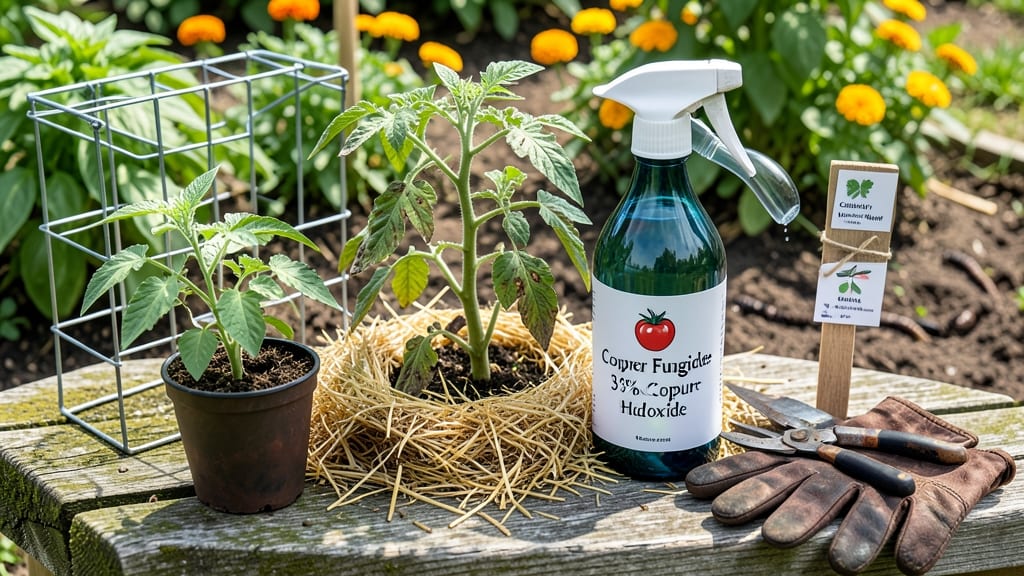
How do you prevent tomato blight? The answer lies in turning lush vines into a fortress against this relentless disease—before it turns your harvest season into a sad, browned mess. 🌱 The copper spray shield method I perfected after losing half my garden to blight keeps plants healthy and productive all season long—no more wilting leaves or rotting fruit. This isn’t just about spraying copper; it’s about timing, spacing, and choosing the right varieties to outsmart the disease before it starts.
Blight thrives in crowded, damp conditions, so proper spacing (18-24 inches apart) and good air circulation are your first line of defense. I also swear by disease-resistant varieties like 'Mountain Merit' or 'Defiant PhR,' which I plant alongside my heirlooms as a buffer.
Copper spray works best when applied preventively—every 10-14 days during humid weather—as a shield, not a cure.
You’ll spot early signs—dark, greasy spots on leaves or stems—before the plant collapses. At that point, remove infected foliage immediately (don’t compost it!) and treat with copper fungicide again. The goal is to catch blight before it spreads, turning your garden from a battleground into a thriving, healthy tomato paradise.
This method works for both organic and conventional gardeners, adapting to your preferred approach. The key is consistency—don’t skip sprays during rainy seasons, and always clean tools between plants. With these steps, you’ll protect your tomatoes without sacrificing flavor or yield.
The Hidden Triggers Behind Tomato Blight
Tomato blight—specifically late blight (Phytophthora infestans) and early blight (Alternaria solani)—isn’t just a random plant attack. It thrives when specific conditions align like a perfect storm.
Understanding these triggers is your first line of defense. Let’s break down the science behind why your tomatoes fall victim to these fungal invaders.
Blight spores love moisture—think of them as tiny, hungry aquatic creatures. Here’s how water fuels their spread:
- Prolonged Leaf Wetness: Spores need 4–10 hours of moisture on leaf surfaces to germinate and infect.
Heavy dew, rain, or overhead watering (especially in the evening) creates the ideal breeding ground. Early blight thrives in warm, dry conditions but still requires moisture to spread, while late blight spreads explosively in cool (60–75°F), damp environments. - Poor Air Circulation: Dense foliage or crowded plants trap humidity, giving spores a cozy, humid microclimate.
This is why staking or pruning isn’t just about aesthetics—it’s about airflow. - Splashing Water: Rain or irrigation water splashing from soil onto leaves can launch spores onto new plant surfaces, turning your garden into a blight transmission zone.
Pro Tip: 💡 Use drip irrigation (not sprinklers) and water early in the day so leaves dry quickly. If rain is forecast, cover plants with row fabric to reduce leaf wetness.
Blight isn’t a one-size-fits-all pest—it has temperature preferences:
| Blight Type | Optimal Temp for Spread | Why It Matters |
|---|---|---|
| Late Blight | 60–75°F (15–24°C) | Cooler temps (50–60°F) slow growth, but humidity + 60–75°F = blight explosion. |
| Early Blight | 75–90°F (24–32°C) | Thrives in hot, dry days but needs moisture to spread. Nighttime temps drop? Spores get a second chance. |
Key Insight: Late blight is the most aggressive in unseasonably cool, wet springs—exactly the conditions many gardeners face. Early blight, meanwhile, loves summer heat but still needs moisture to take hold.
Blight doesn’t just appear out of nowhere—it’s always lurking, waiting for the right moment:
- Surviving Over Winter: Spores can hibernate in soil, plant debris, or even infected potato tubers (yes, Phytophthora infestans is the same fungus behind the Irish Potato Famine!).
If you didn’t clean up last year’s garden, you’re basically rolling out the welcome mat. - Windborne Spread: A single infected plant can release millions of spores in 48 hours.
Wind carries them miles, which is why blight outbreaks can hit entire regions. - Tool and Hand Transmission: Pruners, gloves, or even your hands can transfer spores from plant to plant. That’s why sterilizing tools with bleach (1 part bleach to 9 parts water) is non-negotiable.
Pro Tip: ✨ Rotate crops—don’t plant tomatoes, potatoes, or peppers in the same spot yearly. Blight spores can persist for years in infected soil.
Stressed tomatoes are blight’s favorite snack. Common weaknesses that invite infection:
- Nutrient Deficiencies: Low potassium (K) or phosphorus (P) weakens cell walls, making them easier for fungi to penetrate. A soil test can reveal if your garden is deficient. - Physical Damage: Bug bites, hail, or even rough handling create entry points for spores.
That’s why row covers protect young plants from pests and blight. - Overcrowding: Plants competing for light and nutrients grow slow, weak, and susceptible. Aim for 18–24 inches of space between tomato plants. - Poor Drainage: Waterlogged soil stresses roots and invites fungal growth.
Raised beds or amending soil with compost improves drainage.
Pro Tip: 💪 Feed your plants with a balanced fertilizer (like 10-10-10) and mulch with straw to retain moisture without creating soggy conditions.
You might not see blight until it’s too late because:
- Symptoms take 3–5 days to appear after infection.
- Underside of leaves often show white, fuzzy mold (late blight) or concentric rings (early blight) before brown spots emerge on top.
- Stems and fruit can rot internally without visible signs—until it’s too late to save the plant.
Red Flag: If you see dark, greasy-looking spots on leaves or soft, mushy stems, isolate the plant immediately. Blight spreads faster than you can say “copper spray.”
Blight doesn’t discriminate—it targets healthy and struggling plants alike. But here’s the good news: Knowledge is your best weapon. By controlling moisture, improving airflow, and keeping your garden clean, you’re starving out the conditions blight needs to thrive.
Next up? Actionable steps to stop it in its tracks. 🚀
Quick Fixes for Blighted Tomatoes
Now that you understand the root causes of tomato blight, let’s tackle the problem head-on with practical, actionable solutions. Whether you’re dealing with early signs of leaf spots or full-blown fungal infections, these methods will help you save your plants and prevent future outbreaks.
Start with immediate fixes, then shift to long-term prevention strategies to keep your garden thriving.
If you catch tomato blight in its early stages, you can often stop it in its tracks with minimal damage. Here’s how:
🔥 Remove Infected Plant Parts Immediately
The first rule of blight battle? Don’t let it spread!
- 👨🍳 Snip or prune any leaves, stems, or fruits showing brown spots, black edges, or yellowing.
- 🔪 Use sterilized shears (wipe with rubbing alcohol between cuts) to avoid transferring spores to healthy parts.
- 🗑️ Dispose of infected debris in the trash (not compost)—blight spores can survive in compost piles and reinfect your garden.
🌡️ Boost Airflow to Dry Out Fungi Blight thrives in humid, stagnant conditions.
Improve airflow around your plants to dry them out faster: - 🌿 Space plants 18–24 inches apart (if they’re crowded, thin them out). - 💨 Use a fan on low setting near your plants for 10–15 minutes daily (especially after watering). - 🌞 Prune lower leaves to allow sunlight to reach the plant’s center, reducing moisture buildup.
💧 Adjust Your Watering Habits Overhead watering is a blight magnet.
Switch to: - 💦 Watering at the base (use a drip irrigation system or soaker hose). - 🕒 Watering early in the morning (so leaves have all day to dry). - 🚫 Avoiding evening watering (nighttime moisture = fungal party time).
Copper-based fungicides are one of the most effective organic treatments for tomato blight. They disrupt fungal spores’ ability to infect plants without harming beneficial insects (when used correctly).
🍳 How to Apply Copper Spray Properly
- 🛒 Choose the right product:
- Look for copper sulfate pentahydrate or copper hydroxide sprays (e.g., Bonide Copper Fungicide, Garden Safe Copper Fungicide).
- Avoid copper soap—it can burn leaves if overused.
- 🌿 Apply preventatively AND reactively:
- Prevention: Spray every 7–10 days during rainy or humid seasons (even if no signs appear).
- Treatment: Spray at first sign of blight, then repeat every 5–7 days until the threat passes.
- 👨🍳 Cover all surfaces:
- Focus on undersides of leaves, stems, and fruit stems (blight loves to hide there).
- Spray early in the morning on a calm day to avoid drift.
- ⏰ Timing is everything:
- Best applied in the evening (reduces leaf burn from sunlight).
- Avoid spraying when rain is forecast within 24 hours (it’ll wash off).
💡 Pro Tips for Copper Spray Success
- 🌡️ Mix with a sticker spray (like soap or horticultural oil) to help it adhere better.
- 🔄 Rotate with other fungicides (like neem oil or baking soda spray) to prevent resistance.
- ⚠️ Wear gloves and a mask—copper can irritate skin and lungs.
If you prefer to avoid chemicals, these organic methods can help suppress blight (though they’re less effective in severe outbreaks):
🥄 Baking Soda Spray (Mild Prevention)
- 🍳 Mix: 1 tsp baking soda + 1 tbsp vegetable oil + 1 tsp dish soap + 1 gallon water.
- 🌿 Spray on leaves every 7–10 days (best for prevention, not treatment).
- ⚠️ Test on a few leaves first—some plants are sensitive.
🌿 Neem Oil (Fungal Disruptor)
- 🍳 Mix: 1 tbsp neem oil + 1 tsp mild soap + 1 quart water.
- 🌿 Spray on leaves (avoid flowering/fruiting plants if bees are active).
- 🔄 Reapply every 7–14 days during humid weather.
🌱 Companion Planting (Long-Term Defense)
Plant these blight-repelling companions near your tomatoes:
- 🌼 Marigolds (natural fungicide properties).
- 🌿 Basil (improves tomato flavor and deters pests).
- 🌻 Garlic & Onions (antifungal compounds in the soil).
If your plants are heavily infected, you may need to sacrifice them to save the rest:
- 🗑️ Remove and destroy the worst-affected plants (don’t compost!).
- 🌱 Replace with blight-resistant varieties (e.g., ‘Mountain Merit’, ‘Defiant PhR’, ‘Celebrity’).
- 🏡 Quarantine new plants for 2 weeks before introducing them to your garden.
Once you’ve treated the current outbreak, focus on stopping future blight with these proactive strategies:
🌡️ Soil & Seasonal Care - 💧 Improve drainage—blight loves soggy soil.
Amend with compost or raise beds. - 🌿 Rotate crops—never plant tomatoes (or nightshades) in the same spot two years in a row. - 🍂 Clean up debris in fall—remove all plant waste and till the soil to break up spores.
🌱 Choose Resistant Varieties
Opt for blight-resistant tomato types (look for VFN or Ph labels):
- 🍅 ‘Defiant PhR’ (resistant to verticillium, fusarium, and early blight).
- 🍅 ‘Mountain Merit’ (tolerates disease and cold).
- 🍅 ‘Bush Early Girl’ (compact, disease-resistant).
🛡️ Mulch Strategically
- 🍂 Use straw or grass clippings (not wood chips) to keep soil moist but prevent splashing.
- 🌿 Keep mulch 2–3 inches away from stems to reduce humidity.
Final Thought: Blight may be a stubborn foe, but with copper sprays, smart watering, and preventive care, you can keep your tomato plants healthy and productive.
Stay vigilant, act fast at the first sign of trouble, and your garden will reward you with juicy, blight-free tomatoes all season long! 🍅✨
Frequently asked questions about preventing tomato blight
What are the first signs I should look for to identify tomato blight?
Check the undersides of leaves first—you’ll often spot white, fuzzy mold (late blight) or concentric brown rings (early blight) before seeing damage on top. Look for dark, greasy spots on stems or leaves, and yellowing leaves that eventually turn brown and crispy. If you see these, act immediately!
Can I still save my tomato plants if blight has already taken hold?
Yes, but you’ll need to act fast! Remove all infected leaves and stems (don’t compost them), then apply copper fungicide every 5-7 days until new growth appears. For severe cases, consider removing the entire plant to prevent spread. Focus on airflow and watering habits to stop future outbreaks.
How often should I apply copper spray for prevention?
For prevention, spray every 7-10 days during humid or rainy seasons—even if your plants look healthy. If you see early signs, switch to every 5-7 days until the threat passes. Always apply in the evening to avoid leaf burn, and avoid spraying before rain (it washes off).
Are there any tomato varieties that naturally resist blight?
Look for varieties labeled VFN or Ph-resistant, like 'Mountain Merit', 'Defiant PhR', or 'Celebrity'. These hybrids are bred to withstand fungal diseases. For organic gardens, plant them alongside marigolds or basil—these companions naturally repel pests and improve plant health.
Will my compost spread blight if I add infected plant material?
Yes—blight spores can survive in compost and reinfect your garden. Always dispose of infected plant debris in the trash (not compost). If you must compost, use high-heat composting (140°F+) to kill spores, but even then, it’s safer to avoid composting blighted material entirely.