
Planting
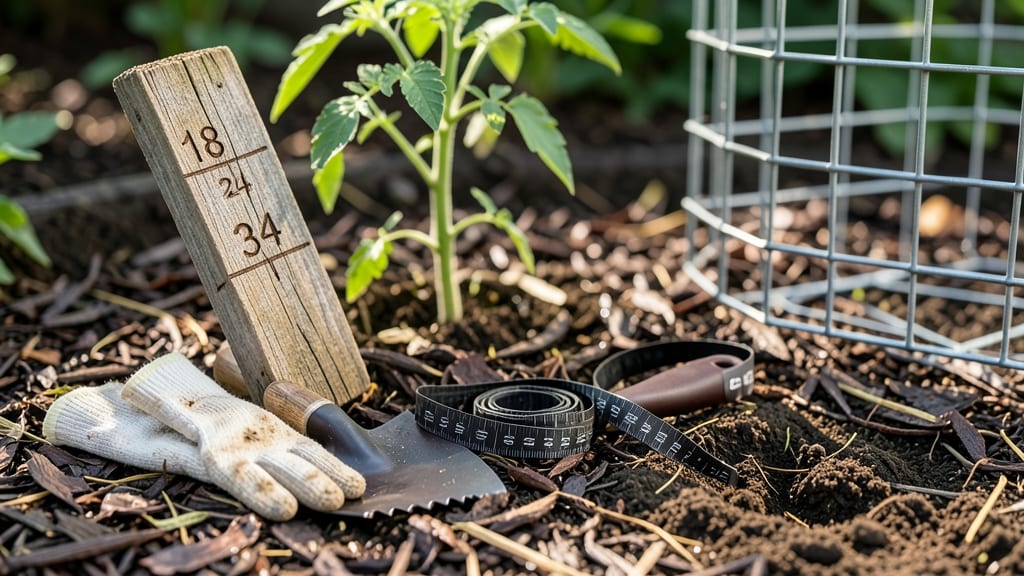
Wondering how far apart do I plant tomato plants? Getting the spacing right is key—too close, and you’ll face poor air circulation, disease, and stunted growth, while too far wastes garden space. The ideal distance ensures healthy, productive plants that thrive all season long.
If you’ve ever watched your 🍅 plants struggle with crowded roots or sprawling vines, you know how critical spacing really is. Determinate varieties need just 18–24 inches apart, while indeterminate types—those towering vines—demand 24–36 inches to spread their branches without competing for sunlight.
This guide breaks down the science behind spacing, from soil prep to companion plants, so you can avoid common pitfalls like overcrowding or wasted space. Whether you’re a beginner or a seasoned gardener, these rules will help you maximize your harvest.
Ready to set your tomatoes up for success? Let’s dive into the spacing secrets that make all the difference in your garden’s productivity.
Tomato plant spacing guidelines by variety type (determinate vs indeterminate)
When planning your tomato garden, the first decision you’ll face is whether to grow determinate (bush) or indeterminate (vining) varieties. These two types have completely different spacing needs because their growth habits are polar opposites.
Determinate tomatoes grow in compact bushes, while indeterminate varieties climb and sprawl like vines. Getting this right means the difference between a healthy harvest and a disease-ridden disappointment.
I’ve made this mistake myself—planting indeterminate tomatoes too close together, only to watch them tangle into a messy vine maze with poor airflow. The solution? Understanding the maturity size and growth pattern of each type.
Determinate plants stay compact, so you can fit more in a small space, while indeterminate varieties need room to stretch vertically. Let’s break down the exact spacing rules for each, plus how to adjust if you’re growing in containers.
| Variety Type | Spacing (In-Ground) | Spacing (Containers) | Key Notes |
|---|---|---|---|
| Determinate (Bush) | 18–24 inches apart | 1 plant per 5-gallon container | Compact growth; harvest all at once |
| Indeterminate (Vining) | 24–36 inches apart | 1 plant per 10+ gallon container | Needs vertical support; continuous harvest |
| Cherry Tomatoes (Both Types) | 12–18 inches apart | 1 plant per 3-gallon container | Smaller plants; higher yield density |
For determinate tomatoes, the 18–24 inch spacing rule applies because these plants grow in neat, bushy shapes. Varieties like ‘Celebrity’ or ‘Roma’ stay around 3–4 feet tall, so packing them too tightly leads to shady lower leaves and fungal diseases like early blight.
The good news? You can fit more plants in a small garden because they produce all their fruit at once, making them perfect for canning or sauces.
Indeterminate tomatoes, on the other hand, are vining powerhouses that can grow 6–10 feet tall if given the chance. That’s why they need 24–36 inches of space—or even more if you’re growing large varieties like ‘Brandywine’.
Without proper spacing, their sprawling vines compete for sunlight and nutrients, leading to smaller fruit and weak stems. Pro tip: Pair indeterminate tomatoes with a cage or trellis to save space while keeping them off the ground.
If you’re growing in containers, the rules change slightly. Determinate tomatoes thrive in 5-gallon pots with one plant per container, while indeterminate varieties need 10+ gallons to support their root systems.
Cherry tomatoes are the exception—they can squeeze into 3-gallon pots with proper pruning. Just remember: Container-grown tomatoes dry out faster, so monitor soil moisture closely and use self-watering pots if possible.
One common mistake I see is ignoring row spacing. While the plant-to-plant distance matters, the space between rows is just as critical. For determinate tomatoes, leave 2–3 feet between rows to allow for easy harvesting and airflow.
Indeterminate varieties need 3–4 feet between rows to accommodate their sprawling vines. Skimping here leads to crowded plants that struggle to reach their full potential.
For cherry tomatoes, you can get away with slightly tighter spacing—12–18 inches apart—because their smaller size allows for higher plant density. This is especially useful in urban gardens or raised beds where space is limited.
Just be prepared to prune suckers regularly to maintain airflow and prevent disease. I’ve seen gardeners double their yield by spacing cherry tomatoes correctly and providing dwarf cages for support.
Finally, don’t forget about companion planting. Pairing tomatoes with basil, marigolds, or onions improves airflow and deters pests, but avoid planting them next to fennel or brassicas, which stunt their growth.
By combining the right spacing with smart companion choices, you’ll create an ecosystem that keeps your tomatoes healthy, productive, and disease-free all season long.
🌱
How to adjust tomato plant spacing for different garden layouts
Your garden layout plays a huge role in how much space each tomato plant needs to thrive. Whether you're working with raised beds, containers, or traditional in-ground plots, proper spacing ensures strong airflow and sunlight penetration.
Let’s break down the best approaches for each setup to maximize your harvest while keeping plants healthy.
In traditional in-ground gardens, most gardeners follow the 18–24 inch rule for determinate varieties, but indeterminate types need 24–36 inches to sprawl vertically. The key is to account for mature plant size—crowded tomatoes struggle with disease pressure and poor fruit development.
Always measure from the main stem, not the leaves, to avoid overestimating space.
🌱
📏 Tomato Spacing Cheat Sheet
| Garden Layout | Spacing (Inches) | Notes |
|---|---|---|
| In-Ground | 18–24" (determinate) 24–36" (indeterminate) |
Use trellises for vining types. |
| Raised Beds | 12–18" (determinate) 18–24" (indeterminate) |
Compact soil allows closer spacing. |
| Containers | 1 plant per 5-gallon pot | Dwarf varieties work best. |
| Trellis/Support | 24–36" (regardless of type) | Vertical growth saves space. |
✅ Pro Tip: Always space for companion plants like basil or marigolds—add 6–12" between rows.
For raised beds, you can plant tomatoes slightly closer—12–18 inches apart for determinate types—because the soil warms faster and drains better. This setup also lets you interplant with shallow-rooted companions like lettuce or radishes.
Just avoid overcrowding by thinning seedlings early. Use your fingers to gently pull weak seedlings when they’re 2–3 inches tall, leaving only the strongest stems.
Container gardening requires a different approach entirely. Since pots limit root growth, opt for dwarf or bush varieties and dedicate one 5-gallon container per plant. If you’re growing indeterminate types, choose tall, narrow containers with stakes or cages to guide vertical growth.
Remember, containers dry out faster, so plan for daily watering and nutrient-rich potting mix.
When using trellises or cages, you can space plants 24–36 inches apart regardless of variety. This vertical method not only saves space but also improves air circulation, reducing the risk of blight and fungal diseases.
Install supports at planting time to avoid damaging roots later. For heavy-fruiting indeterminate varieties, use strong bamboo stakes or heavy-duty trellis netting to handle the weight.
Finally, always account for companion planting when adjusting rows. For example, planting basil between tomato rows deters pests and improves flavor, but it needs its own 6–12 inches of space.
Draw a simple sketch of your garden layout before planting to visualize spacing. This small step can prevent overcrowding and make harvesting a breeze all season long.
☀️