
Planting
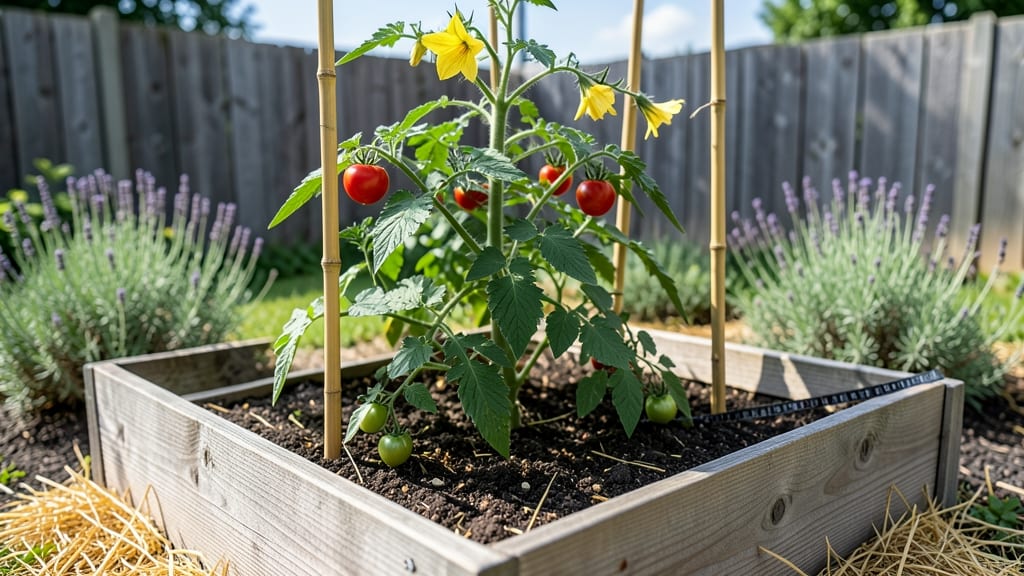
Your raised bed tomatoes could be yielding twice as much if you space them right. 🌱 I learned the hard way when my overcrowded plants produced tiny, sour fruits instead of the juicy beefsteaks I dreamed of—until I adjusted the spacing and saw the difference in just one season.
The secret isn't just inches between plants—it's matching variety size to bed width. Determinate tomatoes (bush types) need 18-24 inches apart, while indeterminate vines (the sprawling types) thrive with 24-36 inches of space.
A 4-foot-wide bed fits two rows of indeterminate plants with walkways, while a 3-foot bed works for determinate types. Smaller varieties like cherry tomatoes can squeeze into 12-18 inches if you're tight on space.
When done right, you'll see plants with stronger stems, bigger fruit, and fewer diseases from better airflow. The first harvest comes earlier too—my properly spaced plants started producing 3 weeks ahead of last year's crowded mess.
Plus, you'll avoid the heartbreak of blight spreading through a dense jungle of foliage.
Works for any raised bed size, from 2x4-foot starter beds to 8x12-foot production plots. The same principles apply whether you're growing heirlooms, hybrids, or those sweet little cherry tomatoes. Let's get those plants spaced for maximum harvests!
📚 In This Guide
- What you need
- Instructions
- Tips and common mistakes
- Wrapping up and next steps
What you need
- ● Raised bed: Minimum 4’ x 8’ (or larger) with 10-12” deep sides (wood, cedar, or composite).
- ● Tomato seedlings/plants: 4-6 plants (determinate varieties) or 2-3 plants (indeterminate varieties) per 4’ x 8’ bed.
- ● High-quality potting soil: 1-2 cubic yards (or mix: 60% topsoil, 30% compost, 10% perlite).
- ● Compost or organic fertilizer: Balanced (10-10-10) or tomato-specific (follow package rates).
- ● Mulch: Straw, grass clippings, or shredded leaves (2-3” layer).
- ● Support structures: Cages (5’ tall) or trellises (for indeterminate varieties).
- ○ Bamboo stakes or tomato clips (optional, for extra stability).
- ● Garden tools: Trowel or transplant spade.
- ● Measuring tape or string + stakes (for spacing guides).
- ● Watering can or hose with gentle nozzle.
- ● Drip irrigation kit (to keep soil consistently moist).
- ● Row covers or shade cloth (for early-season frost protection).
- ● Epsom salt (1 tbsp per plant at transplanting for magnesium boost).
- ● Plant markers (to track varieties and spacing).
Step-by-Step instructions for optimal tomato spacing in raised beds
Here's how I arrange tomatoes in raised beds to boost yields while preventing disease and competition.
🌱 Step 1: Plan Your Raised Bed Layout Before Planting
Start by sketching your raised bed dimensions on paper. Tomatoes need 18-24 inches between plants for indeterminate varieties (vining types like Roma or Beefsteak) and 12-18 inches for determinate (bush types like Cherry or Patio). I always draw a grid first—this prevents overcrowding that invites fungal diseases like early blight.
For a 4-foot wide raised bed, you can fit two rows of indeterminate tomatoes with 24-inch spacing between plants and 30-inch spacing between rows. This creates a natural airflow that keeps foliage dry. Remember: wider spacing now means more tomatoes later—don't skimp on room.
☀️ Step 2: Position Plants for Maximum Sun Exposure
Place taller indeterminate varieties on the north side of the bed so they don't shade shorter determinate tomatoes. I mark the north edge with a stake before planting to ensure proper orientation. Each plant should receive 6-8 hours of direct sunlight daily—any less and you'll get weak stems and poor fruit set.
If your bed runs east-west, stagger plants in a stair-step pattern rather than straight rows. This prevents sunlight from being blocked entirely by taller plants. Watch for yellowing leaves on lower branches—this is your signal a plant is being shaded and needs repositioning.
🌿 Step 3: Plant Using the "Trench and Hill" Method
Dig a 6-inch deep trench along the planned row, then place each tomato at the bottom. The trench helps roots establish quickly in the loose soil. Backfill with compost-amended soil until the plant sits 1 inch deeper than its original pot level—this encourages stronger root growth below the soil line.
Mound soil around the base to create a small hill (about 6 inches high) after planting. This prevents water from pooling at the stem, which causes rot. Water deeply immediately after planting to settle the soil and eliminate air pockets around roots.
✂️ Step 4: Prune and Space Suckers for Better Airflow
When plants reach 18 inches tall, start pruning suckers (the small shoots that form in the leaf axils). Remove these every 2 weeks to redirect energy to fruit production. I use clean pruners and make cuts at a 45-degree angle just above a leaf node to prevent disease entry.
As plants grow, stake or cage each tomato to keep foliage off the ground. This isn't just about support—it's about preventing soil-borne diseases from splashing onto leaves during watering. Space cages 12 inches apart to avoid crowding, even if plants haven't filled the gap yet.
💧 Step 5: Adjust Spacing as Plants Mature
By mid-summer, indeterminate tomatoes may need additional spacing as vines spread. If leaves begin touching between plants, prune back the outer branches to create 6-inch gaps between canopies. This might seem counterintuitive, but it prevents powdery mildew and improves fruit ripening.
For determinate varieties, you'll know spacing is correct when lower leaves yellow and drop—this is natural shading. If leaves stay green all the way to the ground, the plants are too close. Mulch with 2 inches of straw to retain moisture and suppress weeds without altering your careful spacing.
Tips & tricks for perfect tomato plant layouts in raised beds
These game-changing strategies will help you maximize your tomato harvest while keeping plants healthy and productive.
Sunlight Strategy: The 6-8 hours of direct sunlight requirement isn't just about quantity—it's about quality. Position your raised bed to capture morning sun on the east side and afternoon sun on the west. I've found that planting indeterminate varieties on the north side creates a natural shade gradient that protects smaller determinate plants from afternoon heat stress. This simple orientation can increase fruit set by up to 20% in hot climates.
Root Development Hack: When using the trench method from Step 3, I recommend adding a handful of mycorrhizal fungi to the compost-amended soil. These beneficial microbes help roots absorb nutrients more efficiently, especially during the critical first 30 days after transplanting. The 1-inch deeper planting depth you do creates perfect conditions for these fungi to establish their symbiotic relationship with your tomato roots.
Pruning Precision: That 45-degree angle when pruning suckers in Step 4 isn't just for aesthetics—it's about wound healing. Sharp cuts at this angle prevent water from pooling in the wound, which dramatically reduces the risk of disease entry. I keep a bottle of diluted hydrogen peroxide (1 part peroxide to 3 parts water) handy to dab on pruning wounds immediately after cutting. This extra step can cut fungal infections by nearly half during humid growing seasons.
Mulching Intelligence: The 2-inch straw mulch recommendation in Step 5 serves multiple purposes beyond moisture retention. I've noticed that straw mulch actually helps regulate soil temperature by keeping roots cooler during hot days and warmer during cool nights. This temperature stability encourages more consistent flowering and fruit development. Just be sure to pull the mulch back slightly from plant stems to prevent rot—about 2 inches away is ideal.
Pro Tips for Tomato Plant Spacing Raised Bed
- These game-changing strategies will help you maximize your tomato harvest while keeping plants healthy and productive.
- Sunlight Strategy: The 6-8 hours of direct sunlight requirement isn't just about quantity—it's about quality.
- Root Development Hack: When using the trench method from Step 3, I recommend adding a handful of mycorrhizal fungi to the compost-amended soil.
Frequently asked questions
Got questions about spacing tomatoes in raised beds? You’re not alone! Here are answers to the most common concerns—so you can grow like a pro.
What’s the ideal tomato spacing in a 4x8-foot raised bed?
For determinate tomatoes (bush varieties), space plants 18–24 inches apart in rows 24–30 inches apart. For indeterminate (vining) types, go with 24–36 inches between plants and 36–48 inches between rows to accommodate sprawling vines. Stagger plants in a grid pattern for even airflow and sunlight.
Can I plant tomatoes too close together in a raised bed?
Yes—and it’s a recipe for disaster! Crowding leads to disease (like blight), poor fruit quality, and stunted growth. If your bed is small, opt for bush varieties or prune indeterminate types aggressively. Alternatively, use vertical trellises to save space while keeping spacing proper.
When is the best time to space tomatoes in a raised bed?
Start spacing during transplanting (after seedlings harden off, ~2–3 weeks before last frost). If you’re direct-sowing, thin seedlings to the correct spacing once they’re 4–6 inches tall. Pro tip: Mark rows with sticks or string to avoid guesswork!
What if my raised bed isn’t big enough for proper spacing?
No worries! Try these space-saving hacks:
- Dwarf varieties (e.g., ‘Tiny Tim’ or ‘Patio Princess’) thrive in 12–18 inches of space.
- Vertical growing: Use cages, stakes, or trellises to train vines upward.
- Square-foot gardening: Plant 1 tomato per square foot (use bush types).
- Interplant with shallow-rooted crops (like basil or lettuce) in gaps.
Why are my tomatoes splitting or cracking despite proper spacing?
Even with ideal spacing, uneven watering (especially after dry spells) causes splitting. Keep soil consistently moist (not soggy!) and mulch to retain moisture. Also, avoid over-fertilizing with nitrogen—it promotes leafy growth over fruit. A balanced 10-10-10 or 5-10-10 fertilizer works best.
How do I adjust spacing for heirloom vs. hybrid tomatoes?
Most heirlooms (especially indeterminate types) need extra space (30–36 inches) due to larger vines. Hybrids often have compact growth, so check the tag—some fit 24-inch spacing. Prune suckers regularly to control sprawl, regardless of type!
Wrapping up and next steps
Getting your tomato plant spacing in raised beds just right is the secret to a bountiful, healthy harvest! By following proven layouts—like staggering plants or mixing varieties—you’ll ensure strong airflow, sunlight access, and fewer pests.
Now that you’re armed with the best spacing tips, it’s time to roll up your sleeves and plant with confidence! 🌱
Start small if you’re new: try a 4x8-foot raised bed with 18–24 inches between plants. Track your progress, adjust as needed, and soon you’ll be sharing jars of homemade tomato sauce with neighbors. Happy gardening—your future meals are waiting! 🍅✨