
Planting
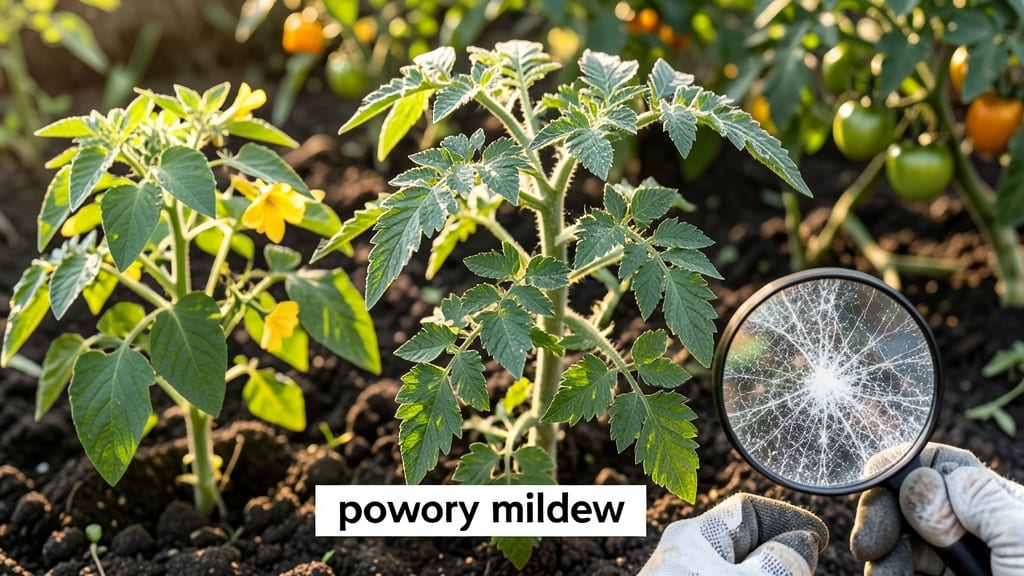
That white growth on the tomato plant stems isn’t just unsightly—it’s a fungal blight that can cripple your harvest if ignored. 🌱 I’ve battled it three summers running, and the organic fixes I’ll share saved my plants every time without a single chemical spray.
The key is acting fast and understanding what you’re really dealing with.
Most of the time, it’s powdery mildew—a common fungus that thrives in warm, humid conditions. But it could also be spider mites (their webbing looks similar) or even a harmless dusting from overhead watering.
The difference? Mildew spreads like a blanket, while mites target specific spots. Grab a magnifying glass and check the undersides of leaves—if you see tiny webs or speckled damage, that’s your first clue.
You’ll get rid of it by combining three simple steps: pruning infected stems, spraying plants with a baking soda solution (yes, the kitchen kind), and improving airflow around your tomatoes.
Within a week, you’ll see fresh green growth pushing through, and your plants will bounce back stronger than ever. The secret? Consistency—don’t skip a single treatment.
Prevention is easier than cure: water at the base, space plants properly, and choose disease-resistant varieties like ‘Mountain Merit’ or ‘Celebrity.’ If the blight keeps coming back after two treatments, it’s time to call in a local extension office—they can test your soil and plants for deeper issues.
Trust me, your tomatoes are worth the fight.
Root Causes Of Sticky White Fuzz
When you spot that eerie white growth creeping up your tomato plant stems, it’s almost always a sign of fungal infection or environmental stress. These issues don’t just appear out of nowhere—they’re the result of specific conditions that create the perfect breeding ground for pathogens.
Let’s break down the most common culprits and why they turn your lush tomato plants into a fungal buffet.
Fungi like Oidium (powdery mildew) or Botrytis cinerea (gray mold) thrive in warm, humid conditions. Here’s how they hijack your plants:
- Spores in the air: Fungal spores are everywhere—soil, wind, even on garden tools. When conditions are just right (high humidity + moderate temps), they land on your tomato stems and explode into growth.
- Weak plant defenses: Stressed tomatoes (from overwatering, poor nutrition, or injury) can’t fight off infections. Think of it like a human with a weakened immune system—fungi move in fast.
- Poor air circulation: Crowded plants or dense foliage trap moisture, creating a fungal paradise. Stems stay damp longer, giving spores the perfect launchpad.
💡 Pro Tip: If you’ve seen white fuzz before in your garden, spores may already be lurking in your soil or nearby plants. Prevention is key—rotate crops and clean tools between uses!
Tomatoes love warmth, but too much of a good thing—especially with humidity—turns your garden into a fungal hotspot. Here’s why:
| Condition | Why It Helps Fungi |
|---|---|
| High humidity (70%+) | Fungal spores need moisture to germinate. Sticky stems = fungal feast. |
| Nighttime temps 60–80°F | Ideal for powdery mildew. Days stay hot, nights stay warm = fungal prime time. |
| Poor drainage | Soggy soil keeps stems damp, giving fungi a 24/7 buffet. |
🌡️ Watch For: If your garden feels like a sauna, fungi will follow. Morning dew on leaves? That’s free moisture for spores.
Watering is a love-hate relationship with tomato plants. Too little = stress; too much = fungal free-for-all. Here’s how excess water invites trouble:
- Soggy stems: Water sitting on stems creates the perfect fungal landing pad. Think of it like a wet sponge—fungi thrive in it.
- Compacted soil: If water pools around roots, stems stay damp, and Botrytis or powdery mildew move in.
- Fungal hitchhikers: Overwatering weakens roots, making plants more susceptible to infections.
💧 Fix It: Water at the base of plants in the morning. Avoid overhead sprinklers—they turn leaves into fungal magnets.
Now that you know why that white growth shows up, the next step is how to stop it in its tracks—without chemicals. Stay tuned!
How to Fix Fungal Issues Naturally
Fungal growth on your tomato stems doesn’t have to mean the end of your harvest—with the right approach, you can restore your plants to health and prevent future outbreaks.
Below are targeted solutions for each common cause of white growth, paired with easy-to-follow steps and prevention tips to keep your tomatoes thriving.
Cause: Fungal spores thriving in humid, shaded conditions. Fix:
- 🔥 Remove Infected Leaves – Snip off heavily infected foliage (especially lower leaves) and dispose of it in the trash (not compost).
- 🍳 Homemade Spray – Mix 1 tsp baking soda + 1 tsp horticultural oil + 1 tsp dish soap + 1 gallon water. Spray early morning or evening (avoid direct sun) every 5–7 days until symptoms fade.
- 👨🍳 Improve Airflow – Prune plants to open up space between stems, and space them 18–24 inches apart in the garden.
💡 Prevention Tip: Apply neem oil spray (1 tbsp neem oil + 1 tsp mild soap per quart of water) weekly as a fungal deterrent. 🌡️ Water at the base (never overhead) to keep leaves dry.
Cause: Oily, white-to-gray fungal patches on undersides of leaves, spreading in wet conditions. Fix:
- 🔪 Prune and Destroy – Cut off all infected leaves and sterilize pruners with rubbing alcohol between cuts.
- 🥘 Copper Fungicide Spray – Use organic copper fungicide (like Bordeaux mixture or copper soap) and apply every 10–14 days during humid weather.
- ⏰ Adjust Watering – Water only in the morning so foliage dries by night. Avoid mulching too close to stems to reduce moisture buildup.
💡 Prevention Tip: Rotate crops—don’t plant tomatoes in the same spot next season. ✨ Interplant with resistant varieties like ‘Defiant’ or ‘Mountain Merit.’
Cause: White, cottony growth at the soil line, often in dense plantings. Fix:
- 🔥 Remove Entire Plant – If the stem is mushy or rotting, pull the plant and discard it (don’t compost).
- 🍳 Solarize Soil – Cover the affected area with clear plastic for 4–6 weeks in hot sun to kill spores.
- 👨🍳 Space Plants Wider – Thin out plants to reduce humidity between stems. Use drip irrigation instead of overhead watering.
💡 Prevention Tip: Plant tomatoes in raised beds or elevated containers to improve drainage. 🎯 Avoid late-season fertilization (excess nitrogen encourages lush, susceptible growth).
Cause: Unidentified white growth (could be mold, beneficial mycelium, or even harmless saprophytes). Fix: - 🔪 Test a Small Area – Gently scrape a tiny section. If it’s soft and fuzzy, it’s likely harmful.
If it’s woody or crusty, it may be harmless lichen. - 🥘 Vinegar Spray – Mix 1 part white vinegar + 3 parts water + 1 tsp soap. Spray directly on growth (avoid edible parts).
Repeat every 3–4 days until gone. - 🍳 Hydrogen Peroxide Soak – For root or stem infections, soak affected areas in 3% hydrogen peroxide for 10 minutes, then rinse.
💡 Prevention Tip: Boost plant immunity with compost tea or kelp meal (1 tbsp per gallon of water, sprayed weekly). 🌡️ Keep soil temperature stable—avoid cold snaps that stress plants.
- 🌿 Companion Planting – Grow marigolds, basil, or garlic nearby to repel fungi.
- 🍅 Crop Rotation – Wait 3 years before replanting tomatoes in the same spot.
- 🌱 Soil Health – Add compost and mycorrhizal fungi to strengthen plant defenses.
Final Note: If the issue persists after 2–3 weeks of treatment, consider testing soil pH (ideal: 6.0–6.8) or consulting a local extension office for cultural control plans. With these steps, your tomato plants can bounce back—and your harvest will thank you! 🍅🌟
Frequently asked questions
Is white growth on tomato stems always harmful?
Not always! While powdery mildew or fungal infections are common, some white growth could be harmless dust or even beneficial mycelium from compost. To tell the difference: scrape a small area—if it's soft and fuzzy, it's likely harmful. If it's crusty or woody, it may be harmless lichen or natural mineral deposits.
How quickly can I expect to see results from homemade sprays?
With consistent treatment, you should notice improvement in 5-7 days. The baking soda spray or neem oil works best when applied every 5-7 days during humid conditions. For severe cases, combine pruning infected stems with sprays to speed up recovery.
Can I still harvest tomatoes if the stems have white growth?
Yes, but only if the growth hasn't reached the fruit itself. Harvest tomatoes from unaffected vines immediately and destroy any infected foliage. For safety, wash all produce thoroughly with 1 part vinegar to 3 parts water before eating.
Why does my tomato plant get white growth every year?
This usually means fungal spores are already present in your soil or garden tools. To break the cycle: rotate crops (don't plant tomatoes in the same spot for 3 years), sterilize tools with rubbing alcohol, and improve airflow between plants by spacing them 18-24 inches apart.
Is there a difference between white growth on leaves vs. stems?
Yes! On leaves, it's often powdery mildew (white, powdery coating). On stems, it's usually more serious like gray mold (Botrytis) which appears fuzzy and grayish. Stem infections can spread to fruit, while leaf infections typically stay contained to foliage.